Why Gold-Coated Twin Tube IR Lamps Actually Matter for Semiconductor Curing
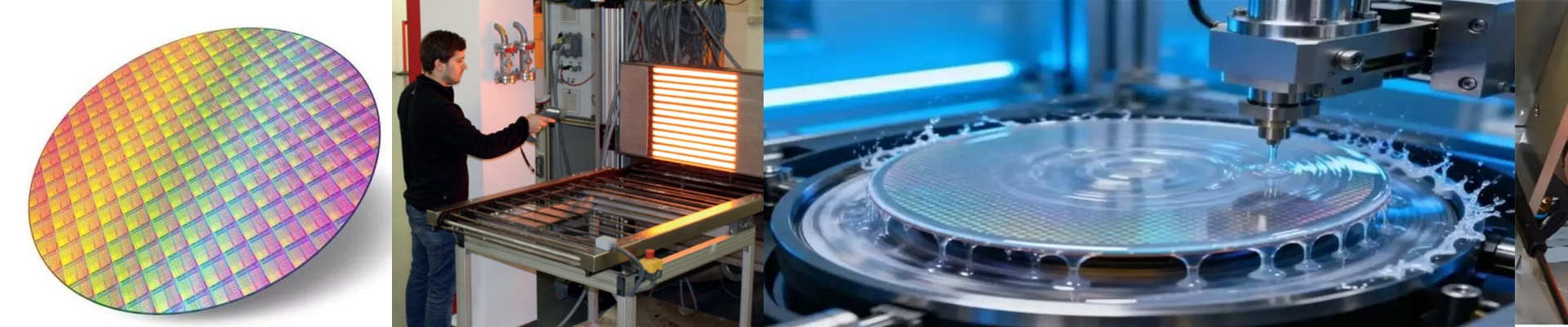
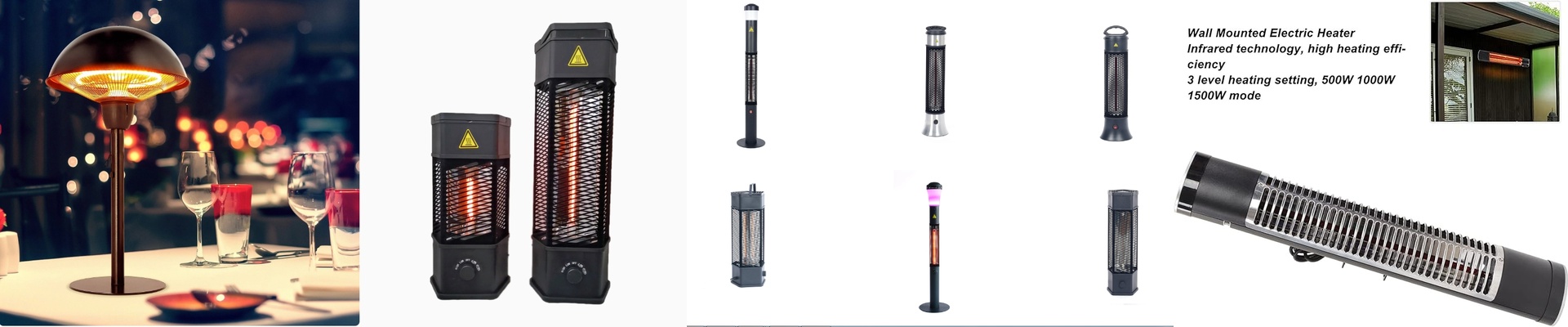
The semiconductor world is pushing hard toward lead-free and carbon-neutral drying. The problem? Those old-school convection ovens are energy hogs. They spend way too much time heating up the air around the part rather than the part itself. That’s why we use twin tube gold-coated infrared (IR) lamps. They skip the middleman and beam energy directly into the substrate. It’s cleaner, faster, and just makes more sense. The secret is in the gold. Standard quartz tubes throw heat in every direction. But when we coat the inside of a twin tube with gold, it acts like a mirror. It pushes all that IR energy forward into a tight, directional beam. This means you get a precise heat footprint. You aren’t wasting energy heating up your cleanroom walls or making your technicians sweat. And the “twin tube” part? That’s all about surface area. We can pack more wattage into a small space without blowing out the filament. It keeps the heat intense where you need it, but it doesn’t stress the glass to the breaking point. Going green without the headache If you’re working with lead-free solder or adhesives, you know the struggle. You need a very specific thermal profile, or you risk warping the PCB. IR curing is a dry process. No solvents, no VOCs, and no combustion gases. Plus, it’s efficient. The lamps are only pulling power when a part is actually sitting under them. It fits the “green” mandate without sacrificing your output. A couple of things to watch out for These lamps hit their operating temp in seconds. It’s great for your throughput, but it can be a shock to your power supply. If you’re installing a big array, just make sure your electrical panels can handle that initial surge of current. Also, keep them clean. Seriously. A fingerprint or a bit of dust on the tube can create a hot spot. Over time, those little spots can cause the quartz to fail. Stick to a strict cleaning schedule, and your reflective efficiency will stay right where it needs to be.