Stop Wasting Heat: Why Precision Aluminum Reflectors Actually Matter
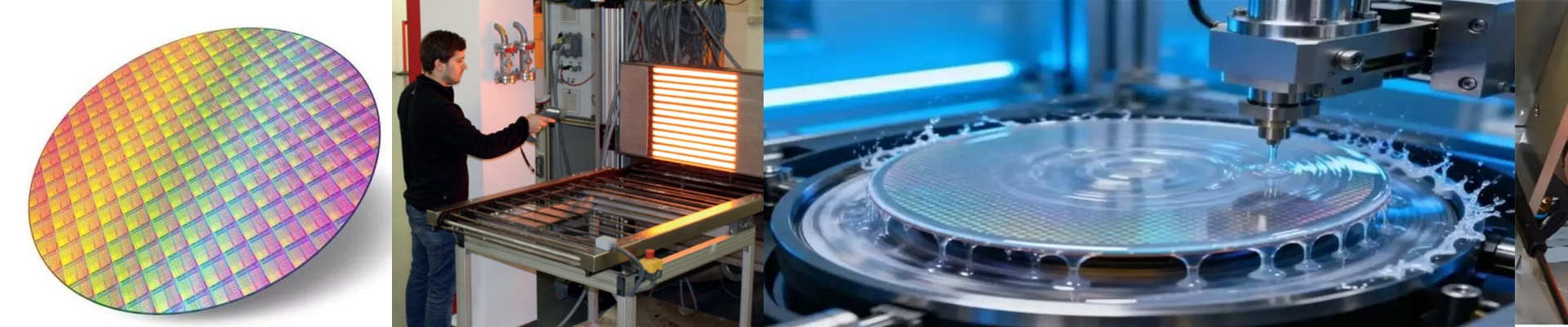
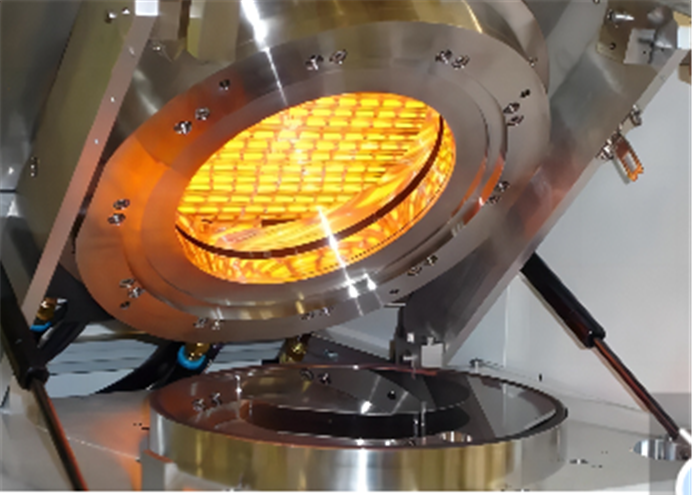
If you’re running a semiconductor fab, you know the struggle. You’re fighting a constant battle against energy waste. A lot of that waste happens in a place people often overlook: the gaps where infrared (IR) radiation just bleeds out into the machine chassis. That’s where aluminum reflectors come in. Instead of letting that heat vanish into the void, we use them to bounce it right back onto the wafer. Here’s the thing about the physics. We use high-purity aluminum because it’s incredibly good at reflecting IR. When the surface is polished just right, those photons from the back of the lamp don’t just wander off—they get pushed forward. It’s a simple win. You get more heat on your target without pulling more power from the grid. If you cut corners with a low-grade reflector, you’re basically paying to heat the air around your machine. Your cooling fans have to scream just to keep up, and your energy bill spikes. It’s a vicious cycle. But it’s not just about the material; it’s about the shape. The geometry has to be spot on. If the curve is off by even a few millimeters, you get cold spots. And in this business, a cold spot means a warped wafer or a ruined batch. It’s a nightmare. Plus, aluminum has its limits. Those high-wattage lamps get scorching. If your airflow is choked, the metal starts to oxidize. Once that happens, the shine goes, the efficiency drops, and you’re back to square one. You have to find that sweet spot between the lamp distance and the focal point so you don’t accidentally cook the housing. The bigger picture? It’s a shortcut to a greener factory. Precision reflectors are a hardware fix for a power problem. By making sure every bit of “useful” heat actually hits the wafer, you take a massive load off your HVAC and chilled water systems. It’s a way to hit those carbon-neutral targets without having to mess with your core chemistry or rewrite your entire process. It just works.