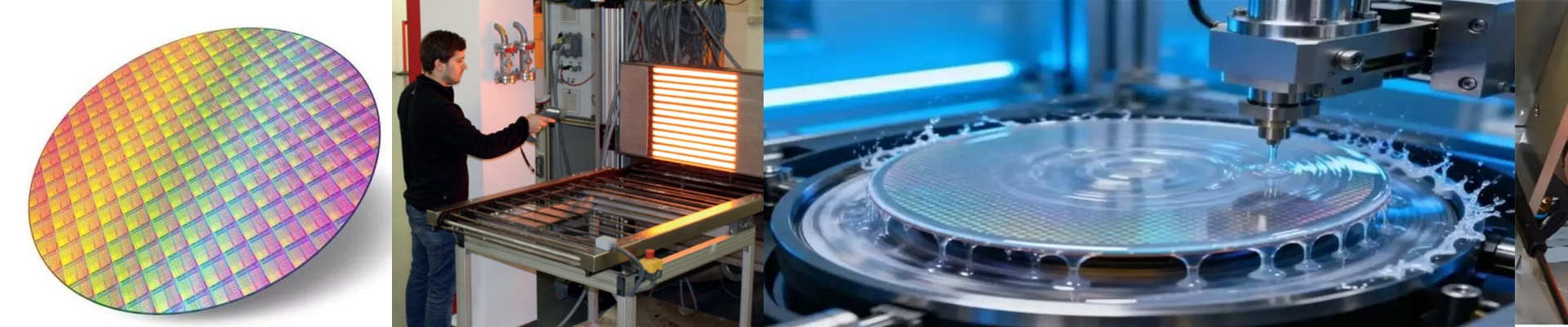
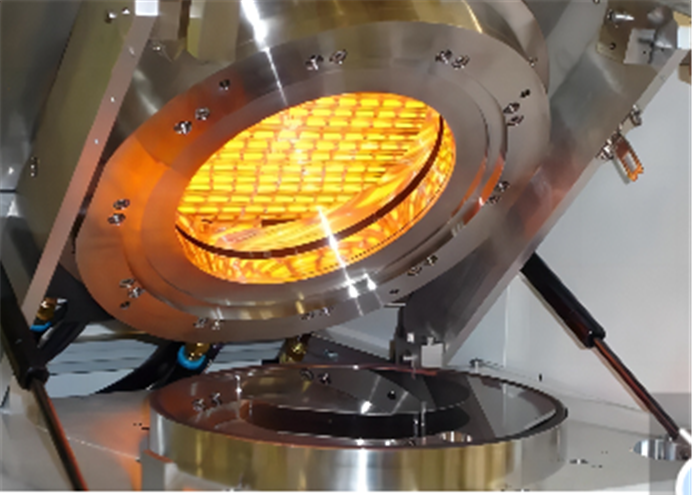
On the fab floor, a lamp failure isn’t downtime—it’s scrap. When the ASML lithography lamp starts underperforming, the soft bake drifts, linewidth control slips, and yield takes a hit. We built these ASML lithography lamp spares to hold the thermal budget exactly, so your process stays in spec even when you’re running 24/7. What matters technically These spares keep temperature repeatable, with wafer-level uniformity within ±0.1°C. That matters because a small excursion in a critical bake step can shift CD and profile in a hurry. The quartz envelope and optimized halogen/NIR spectrum output keep energy delivery stable, so photoresist bake and curing stay consistent. Cleanroom-compatible from Class 1 to Class 100, the assembly is built to generate zero particles and keep outgassing low. That helps you keep particle counts down in a world where yield is measured in defects per wafer. Expect long life, too—units routinely hit 5,000+ hours with less than 5% output drop, which cuts down on preventive swaps and protects uptime. Why it fits what you do Swap them in for wafer drying, photoresist soft bake and hard bake, packaging encapsulation and cure, and post-clean drying. The stable thermal profile tightens settling, improves line-to-line repeatability, and keeps duty cycles tight, which lowers energy use. The payoff is more consistent exposure windows, fewer rework lots, and maintenance windows you can actually plan around. Here are the practical details Installation means matching the exact connector and confirming voltage and dimensions against your tool revision. Some older platforms need a firmware or calibration update to recognize the new lamp parameters. After the swap, run a short calibration to confirm temperature setpoints and uniformity, then lock the procedure into your preventive maintenance schedule.