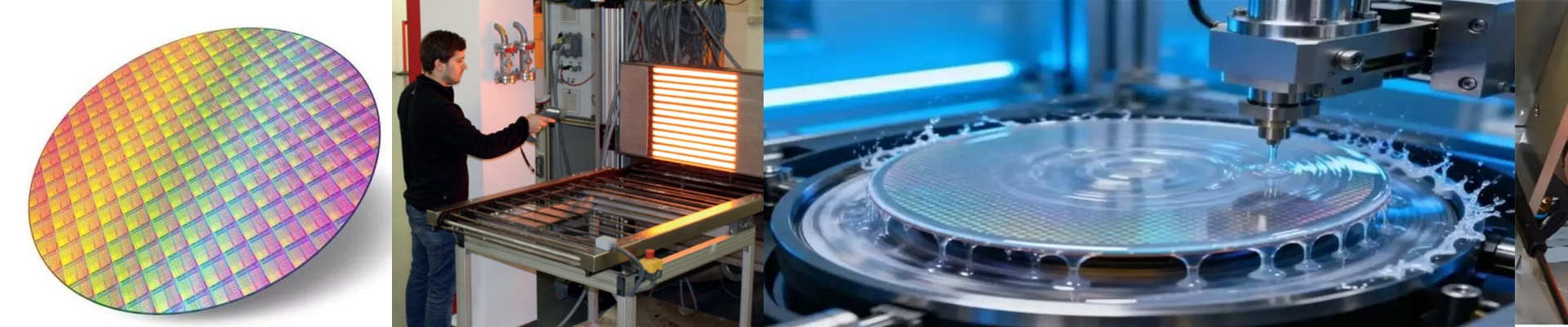
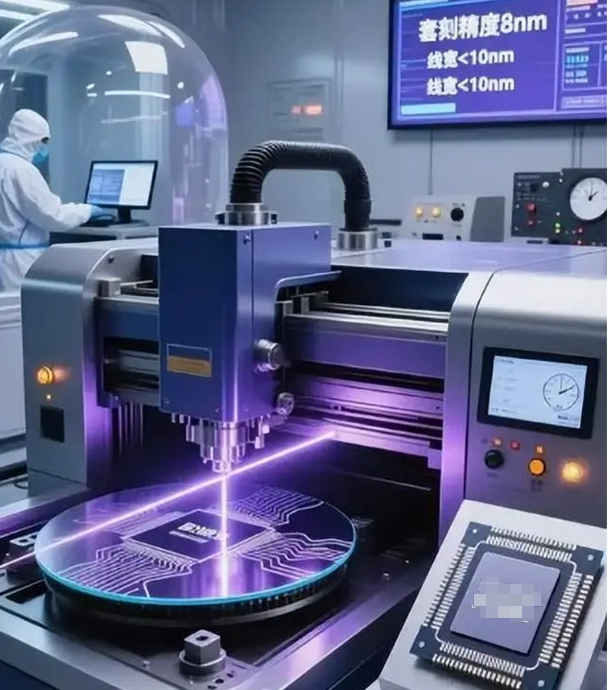
On the fab floor, a bake profile that drifts a few degrees will walk your critical dimension control, lift photoresist, and turn good wafers into scrap. We built our ozone-free infrared lamps to live with that reality, not fight it after the fact. The goal is steady heat that keeps wafers moving without thermal excursions. What actually matters is repeatability under load. Our NIR emitter snaps to temperature fast and holds wafer-level uniformity to ±0.1°C across the bake zone, so soft bake and hard bake setpoints stay put, batch after batch. The ozone-free approach keeps chamber contamination out of the equation and holds particle counts down—cleanroom compatible down to Class 1–100. Output stays consistent over 5,000+ hours, with less than 5% lumen and temperature drift. What that means on the line is tighter CD budgets, fewer reworks, and maintenance windows you can plan around. It comes down to uptime and yield. The lamp starts instantly, tracks the setpoint without overshoot, and runs 7×24 with zero unplanned downtime. Energy draw is lower than conventional systems, and the long life cuts down on spares and service labor. In lithography, that translates to stable photoresist profiles, fewer line stops, and a measurable improvement in cost per wafer. A few practical notes for integration. Pay attention to reflector geometry and coolant flow—those define the thermal envelope. If you’re dropping this into existing ovens or hot plates, expect minor hardware alignment to match the lamp footprint. Match voltage and connector type to your equipment, and plan EMI shielding where sensitive detectors are nearby. Calibration checks will still happen, but the intervals between interventions are long.