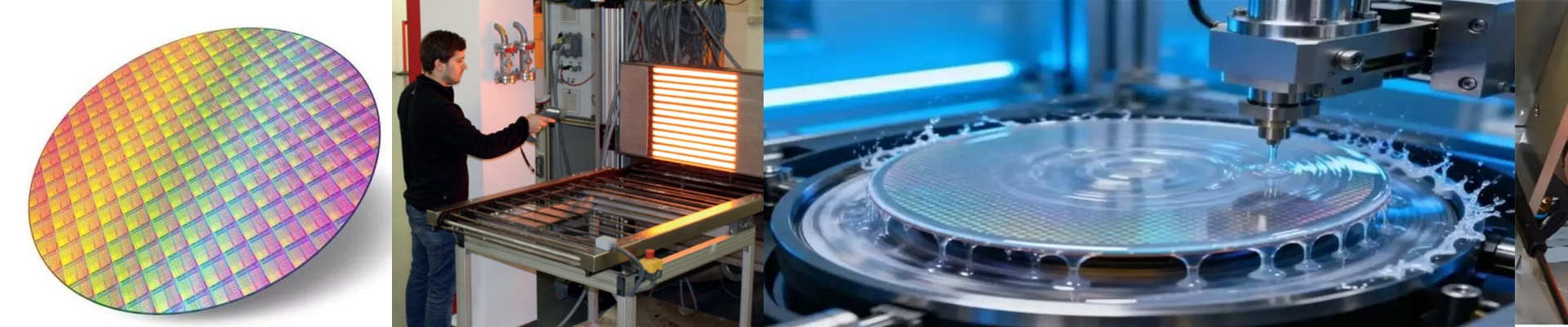
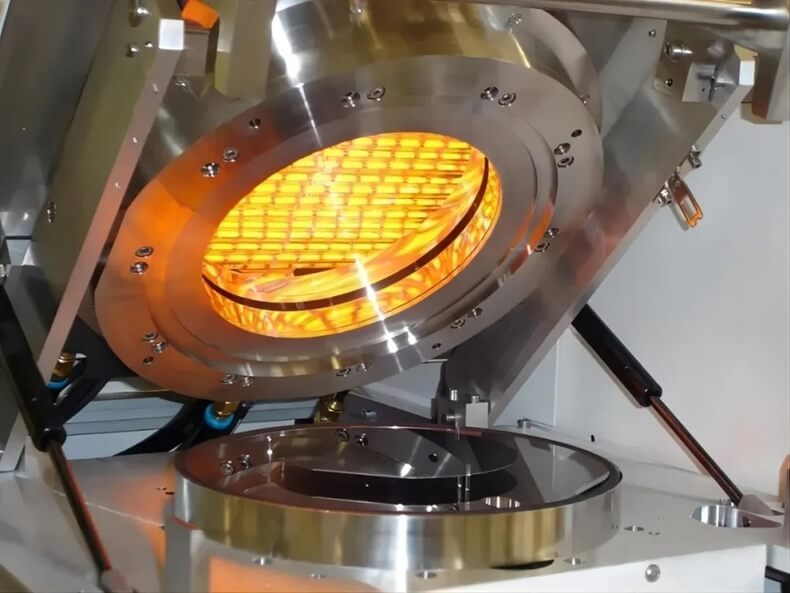
On a 7×24 fab line, a lamp doesn’t just stop when it fails—thermal continuity breaks, photoresist profiles drift, and you’re staring down rework. The quartz glass shield is the quiet workhorse that keeps exposure and bake energy honest, shift after shift. What actually matters under the hood We build the shield from high-purity quartz so transmission stays stable across the lamp spectrum, even after repeated thermal cycling. It holds wafer-level thermal uniformity within ±0.1°C, so soft bake and hard bake temperatures stay inside the recipe tolerances—no guesswork. The material plays nice in cleanroom Class 1–100, and the design keeps particle generation at zero under normal running. Run it 24/7 and it stays reliable: units hit 5,000+ hours with less than 5% output drift. Repeatability comes down to consistent temperature setpoints and consistent exposure energy, not whatever the operator feels like. Why this matters on the lithography floor In lithography cells, you need the same heat, same energy, and same cleanliness every cycle. A stable shield keeps the lamp arc and optics from getting contaminated, protects the thermal budget, and cuts photoresist defects that show up when temperature wanders. The payoff is fewer scrap lots, tighter CD control, and maintenance windows you can actually plan around. Power stays steady because the system isn’t chasing temperature every time a door opens. The details that bite you if you ignore them Installation tolerance is tight. Align the shield within the tool’s specified clearance, or you’ll create hot spots and risk thermal stress cracking. It fits standard lamp fixtures, but verify mounting dimensions and gasket material against your specific lamp and chamber geometry. Treat the shield like a scheduled-life part—replace on plan, not on failure—so particle counts and thermal drift stay in line.