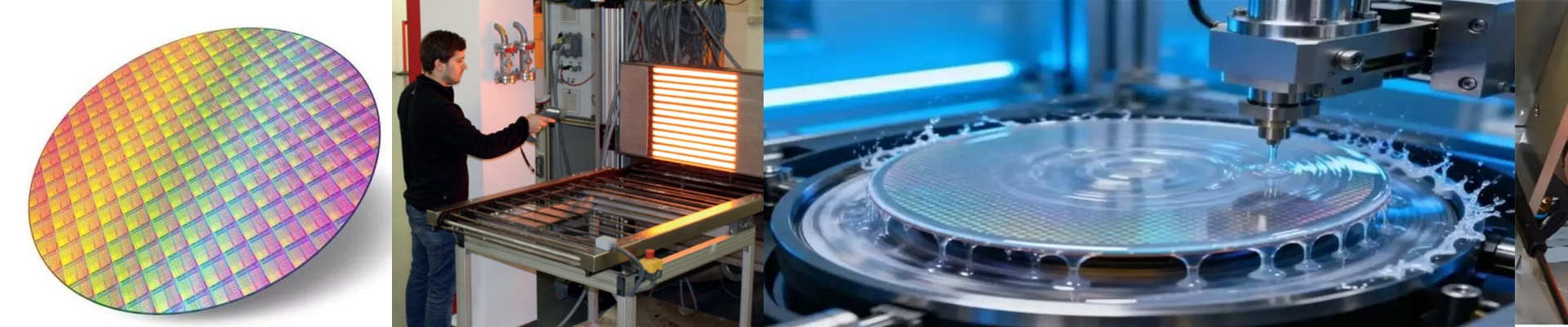

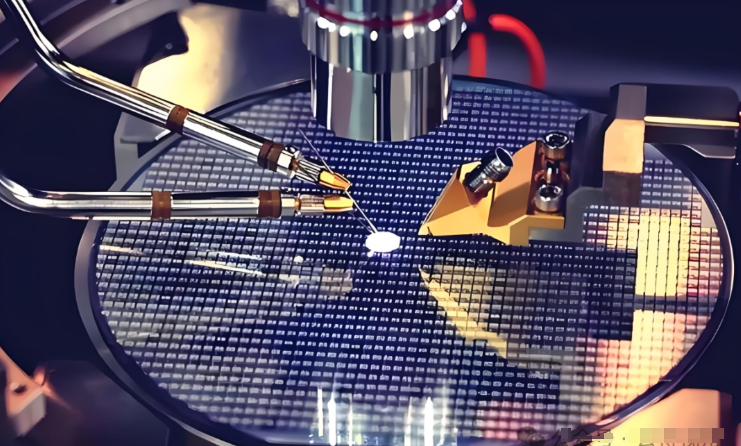
On the fab floor, every watt the drying train pulls gets put under the microscope. Energy costs can’t climb so high that we have to roll the dice on photoresist integrity. If thermal uniformity drifts, you watch line-width control and defect performance fall apart. We built our drying platform to cut energy on fab drying while keeping the process line in zero-tolerance territory. What matters under the hood We pair NIR sources with closed-loop control to hit wafer-level uniformity within ±0.1°C across the bake profile. Soft bake and hard bake setpoints hold tight, repeatable, so critical dimensions stay protected after lithography. Cleanroom Class 1–100 compatibility isn’t an afterthought—airflow paths, materials, and seals were chosen to keep particle generation at zero. The unit is specced for 24/7 operation, with components and thermal design rated for continuous duty, and it integrates into existing process tools via standard interfaces. Why it plays in the fab We cut energy by heating fast and on target, shortening the bake/dry segment without eating into the thermal budget. You still hit the bake recipe, but you spend less time at temperature and trim standby losses. That shows up as lower kWh per lot, fewer reworks from residual solvent, and a cycle time that stays steady. The same thermal precision keeps drying consistent after wafer cleaning, so beading and edge-bead issues stay suppressed without over-drying. The practical bits Installation comes down to matching exhaust, coolant, and control bus—plan the utility tie-in during the next PM window. The system performs best when housekeeping is tight; keep intakes clear of build-up and keep calibration on a schedule that lines up with your PM cadence.