
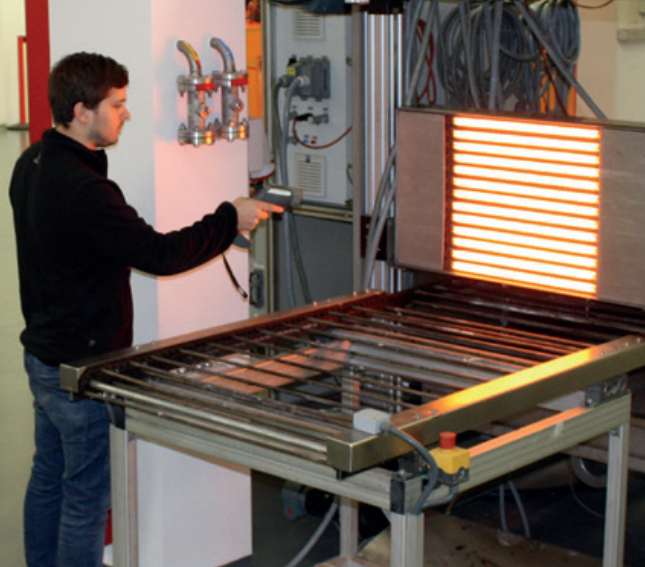
Let’s Talk About Electrical Safety in Wafer Curing
When you’re curing wafers, you need two things: heat that’s spread perfectly and absolutely zero electrical leaks. To get that, we pair curing lamps with high-reflectivity housings to push all that IR energy right where it needs to go. But here’s the catch. These systems run on high voltage. That means the spot where the lamp meets the reflector is usually where things go south.
Why we test every single unit
We don’t do “batch sampling” here. That’s for people who like gambling with their hardware. Instead, every single lamp and reflector assembly goes through a full withstand voltage and insulation resistance test before it even thinks about leaving our shop. Why? Because a tiny pinhole in the insulation or a speck of dust on the reflector can cause an arc-over. In a cleanroom, a short circuit isn’t just a nuisance. It can fry your power supply or ruin an entire batch of wafers in a heartbeat.That’s a nightmare nobody wants.
The nitty-gritty on insulation
Our main focus is the gap between the live heating element and the grounded chassis. We hit it with a high-voltage stress test to make sure the insulation can take a beating. The goal is simple: keep the current in the filament and out of the equipment frame. If a unit fails the megohm test? It’s trash. We don’t “tweak” it or try to make it work. We just scrap it.
The trade-offs you should know about
High-reflectivity coatings are great for thermal efficiency, but they can be tricky. If they aren’t applied just right, they can mess with your grounding paths. You get better heat density, sure, but you’ve got to make sure your machine’s grounding is beefy enough to handle static buildup. We spend a lot of time balancing the geometry of the reflector with strict electrical isolation so nothing leaks. One last tip: when you’re wiring these into your chamber, watch your tolerances. If the fit is too tight, you lose that air gap. And without a proper gap, you’re asking for an arc if the insulation ever dips. Give it some breathing room. It’s just safer that way.