Directional Infrared Heating: How We Keep Wafer Tools Hot Where They Need to Be—Without Burning Your Operators
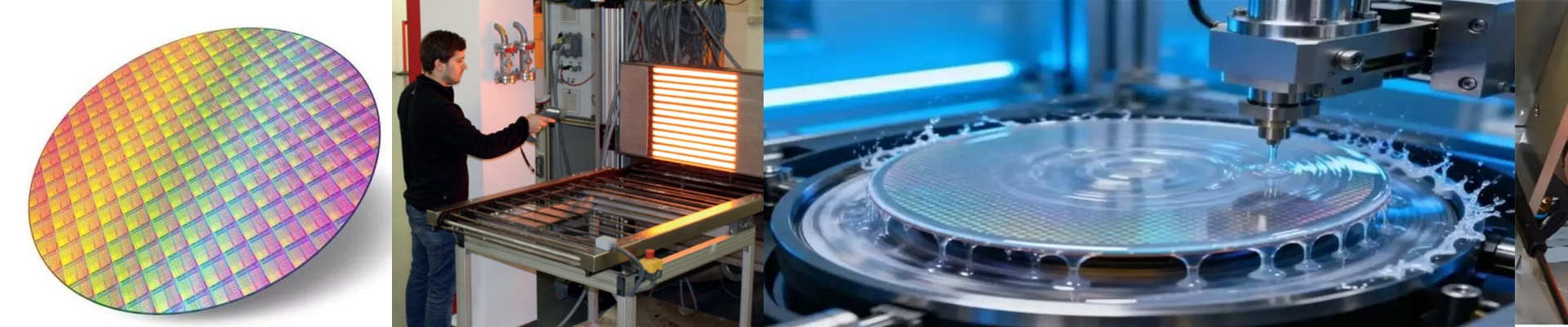
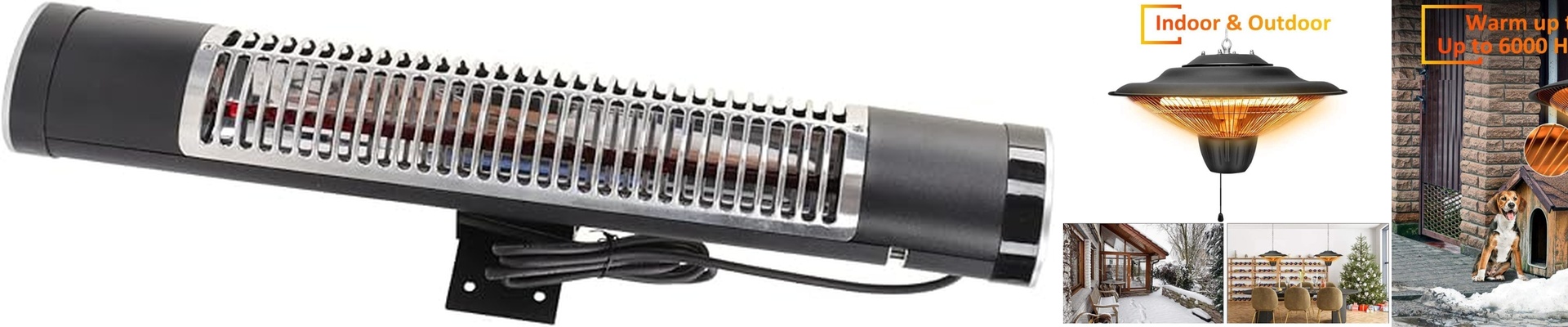
Here’s the problem in semiconductor equipment, plain and simple: stray heat is a thief. It steals energy, drives up costs, and turns the outside of your tool into a hazard zone. We built infrared heating lamps to fix that. They deliver precise, directional heat exactly where the process needs it—and leave the chamber walls alone. No wasted warmth. No scorching exteriors. Just focused heat that does its job.
Power, Voltage, and Geometry: Getting the Details Right
Wafer processes don’t leave room for guesswork. So we spec lamps that give you stable, repeatable heat every single time. We match wattage and voltage to the chamber’s thermal load—enough power to hit your setpoint fast, but controlled enough to avoid overshoot. Then we size the length and tube diameter to drop right into standard tool ports and mounting hardware. Clean footprint. No fuss. That means you can run higher heat density without redesigning the whole hot zone.
Material and Design: Built for the Real World
We use quartz for the lamp body because it stays steady at high temps and handles sudden thermal shock like a champ. This is shop-floor reliability, not lab fantasy. A directional coating shapes the emission pattern, so you don’t get parasitic radiation heating up the tool walls. And the R7s termination? Practical choice. It handles the current, gives you a solid mechanical seat, and makes the lamp a true drop-in replacement. No custom fixtures. No rewiring. Just swap and run.
What It Feels Like in a Wafer Tool
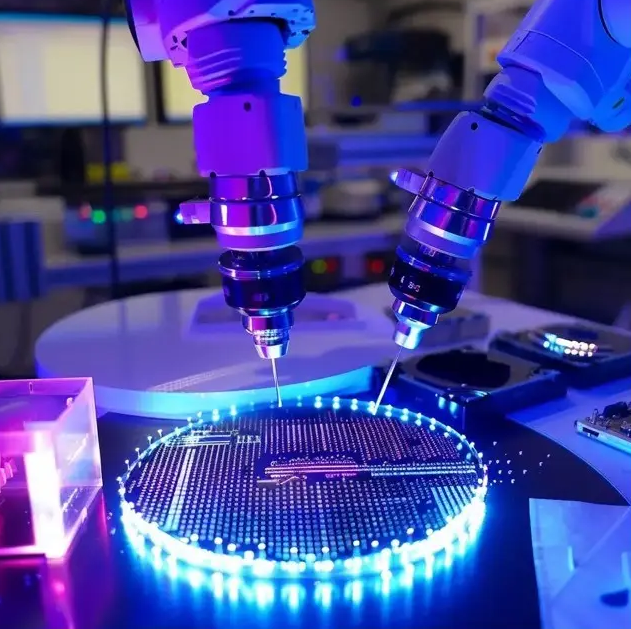
In wafer tools, the heat has to land on the process surface—not on the chamber skin. Directional infrared heating concentrates energy on the target. Less wasted heat. Lower external surface temperature. That means your operators stay safer, and the surrounding components carry less thermal load. Now, concentrated heat density does need proper cooling and solid thermal isolation in the tool design. But when you spec the lamp to match the chamber, you get repeatable temperature control with fewer hot spots and way fewer safety headaches.