Stop Waiting on Your Heaters: The Case for Carbon Fiber IR
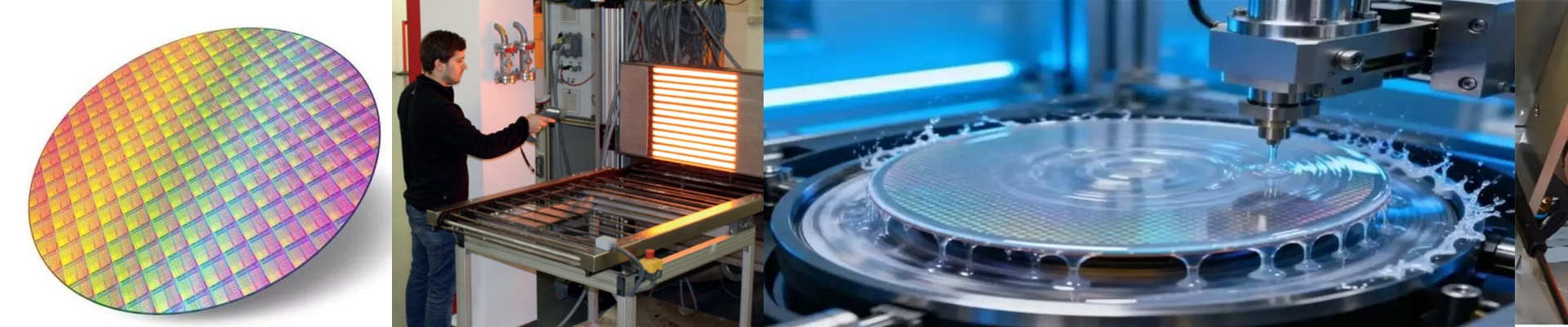
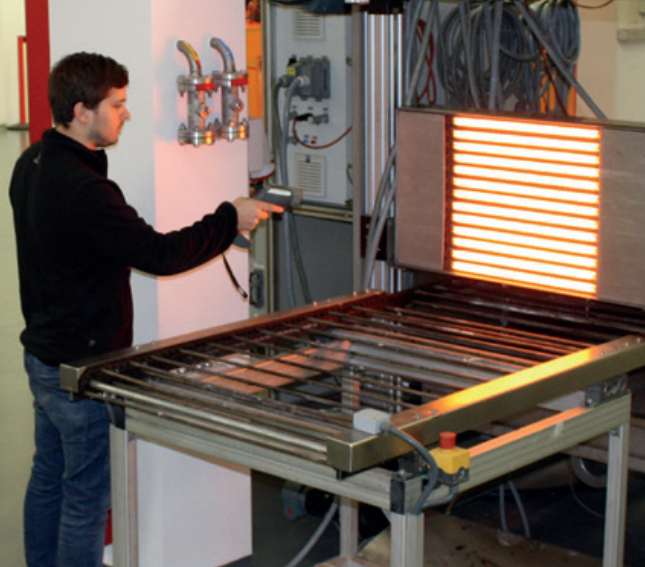
I still see way too many semiconductor lines leaning on hot air circulation. Now, don’t get me wrong—convection works. But it’s slow. You’re basically heating up a bunch of air just to get that air to heat your part. It feels like a waste of energy, and honestly, it’s a massive time sink. Carbon fiber infrared (IR) lamps handle things differently. Instead of warming the room, they send energy straight to the target. It’s all about the speed. With hot air, you’re stuck waiting for the chamber to saturate. It’s a slog. Carbon fiber IR lamps, though? They hit your target temp in seconds. I call it “instant-on.” Think about a high-volume fab. If you can take a 10-minute pre-heat cycle and shrink it down to 30 seconds per batch, you’ve just killed a major bottleneck. You aren’t standing around waiting for a blower to do its job; you’re just triggering a stream of photons. Why bother with carbon fiber? If you use standard metal filaments, they tend to burn out when you’re cycling them rapidly for precision work. Carbon fiber is a different beast. It handles higher current densities and spreads the heat evenly across the whole lamp. That’s huge because it stops those annoying “hot spots” from popping up and warping your wafers or substrates. Plus, since the energy lives in the medium-to-short wave spectrum, the heat actually penetrates the material. It doesn’t just float around in the air. The honest trade-offs Look, you can’t just swap a heater and call it a day. You’ll need to tweak your PID controllers because the response time is so much faster. Your sensors have to be spot-on. If your feedback loop is lagging, you’ll overshoot your temperature and potentially fry your workpiece. It takes a bit of precision tuning. There’s also the layout. You’ll love that IR arrays take up way less space than those bulky ducts and blowers. But keep in mind: they need a clear line-of-sight. If your part is shielded or hidden, the efficiency just drops off a cliff.