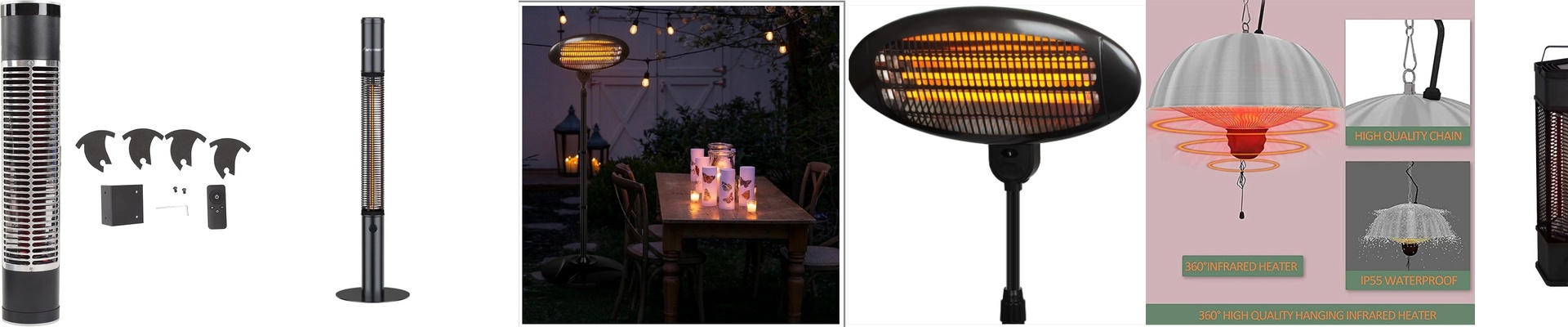

Keeping Things Safe: Infrared Heating in Steamy Bathrooms
Putting an infrared heater on a high bathroom ceiling sounds like a luxury—and it is—but it’s a bit of a nightmare for your wiring. Think about it. You’ve got clouds of steam and condensation everywhere. Water turns almost everything into a conductor, and if your wiring or housing isn’t built to keep electricity completely separate from the moisture, you’re looking at ground faults or short circuits. Not exactly the vibe you want while taking a shower.
Getting the Insulation Right
The real trick here is keeping the heating element totally away from the chassis. In a bathroom, a basic rubber gasket just won’t cut it. We lean on double-insulated housings and ceramic insulators where the lamp connects. These materials act like a wall, stopping current from leaking into the metal frame. We also use reinforced potting compounds around the wire entries. It basically seals the gaps so moisture can’t sneak its way into the junction box.
Dealing with the Damp
Here is the problem: when a tiny drop of water hits a scorching hot quartz tube, it causes thermal shock. It also creates a path for electricity to go where it shouldn’t. That’s why the IP (Ingress Protection) rating actually matters here. We pay a lot of attention to the seal between the lamp holder and the reflector. If you go with a cheap seal, steam gets inside, eats away at the contacts, and eventually, the whole thing just burns out.
The Reality Check for Engineers
There’s always a trade-off. When you prioritize total insulation, you can’t just slap a simple metal heat sink on the electronics. Instead, you have to use forced air or create specific gaps to keep the driver from overheating. This means the unit ends up being a bit bulkier. It’s the price you pay for peace of mind. When it comes to the actual wiring, make sure the ground wire goes straight to the building’s main earth, not just the frame of the fixture. And a quick tip on the GFCI: make sure it’s calibrated for the actual wattage of your infrared load. If it’s not, the breaker will probably trip the second the heater starts to warm up, which is a frustrating way to start your morning.