Keeping Your Vacuum IR Lamps from Blowing Up
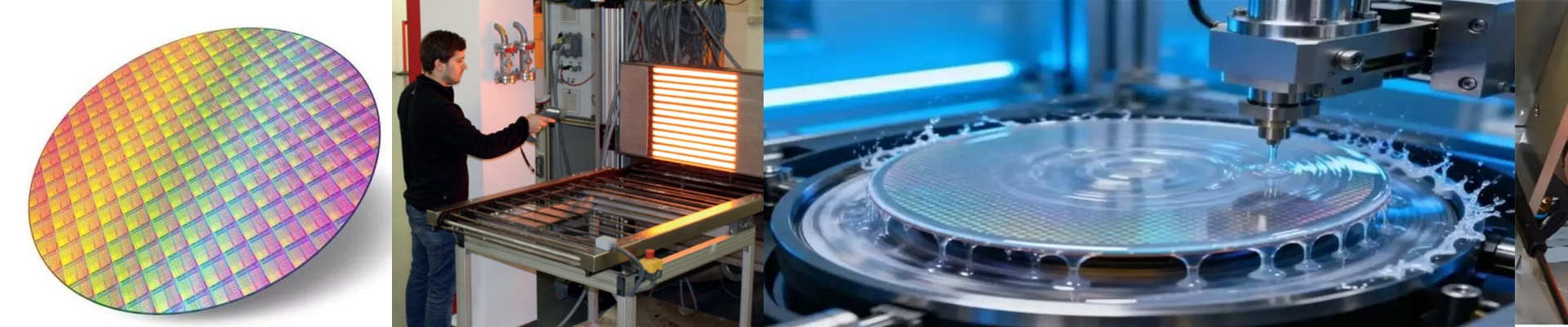
Here is the thing about running infrared heaters in a vacuum: the physics change. In normal air, the gases around the lamp actually help keep the electricity where it belongs. But once you pull a vacuum? That safety net vanishes. The risk of a nasty electrical arc goes way up. That’s why we don’t just “spot check” our lamps. Every single tube that leaves our shop goes through full voltage withstand and insulation resistance testing. No exceptions.
Why we obsess over 100% testing
Imagine a pinhole leak in the quartz—something so small you can’t even see it. Or a tiny speck of dust on the electrode. In a normal room, it might not matter. But in a vacuum, that tiny flaw becomes a highway for an arc-over. It’s not just about the lamp burning out, either. A failure like that can fry your power supply or spray sputtered metal all over your vacuum chamber. That’s a nightmare to clean up. We push the insulation to its absolute limit during testing. We’d rather break a lamp on our floor than have it fail in your machine.
The heat vs. hardware struggle
High-wattage vacuum lamps are beasts. They deliver incredible heat density, which is great for speeding up your process, but it puts a massive amount of stress on the seals and connectors. We use specific quartz grades and electrode alloys to handle the heat. But remember: your cabling has to keep up. If you use under-spec wiring, it doesn’t matter how stable the lamp is. You’re just creating a weak link in the chain.
No gambling on the shop floor
We hate the idea of “batch sampling.” It’s basically gambling with your equipment. By testing every single tube, we take the guesswork out of the install. If the insulation resistance drops even a little bit below our line, the tube is scrap. It’s the only way to make sure you don’t wake up to an unplanned shutdown because of one faulty heating element. Simple as that.