Making Your Workshop Heat Actually Smart
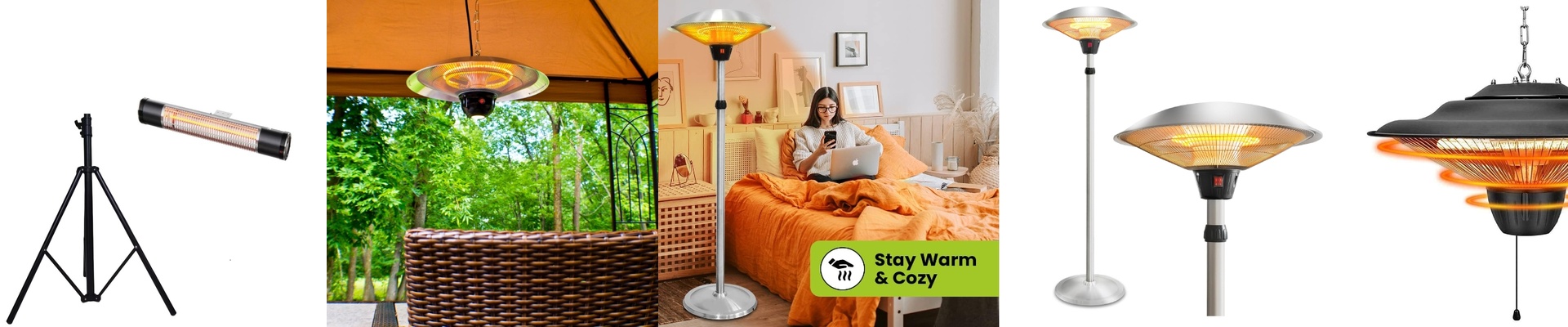
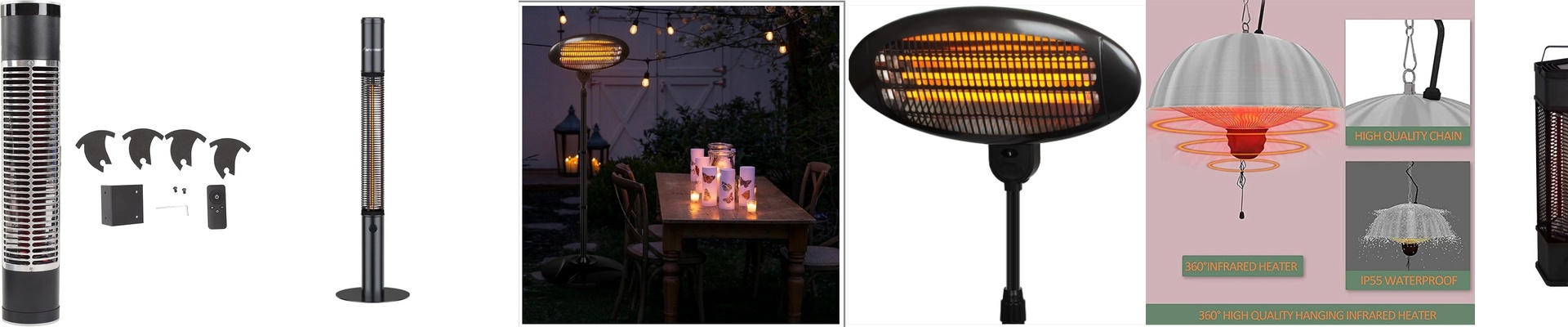
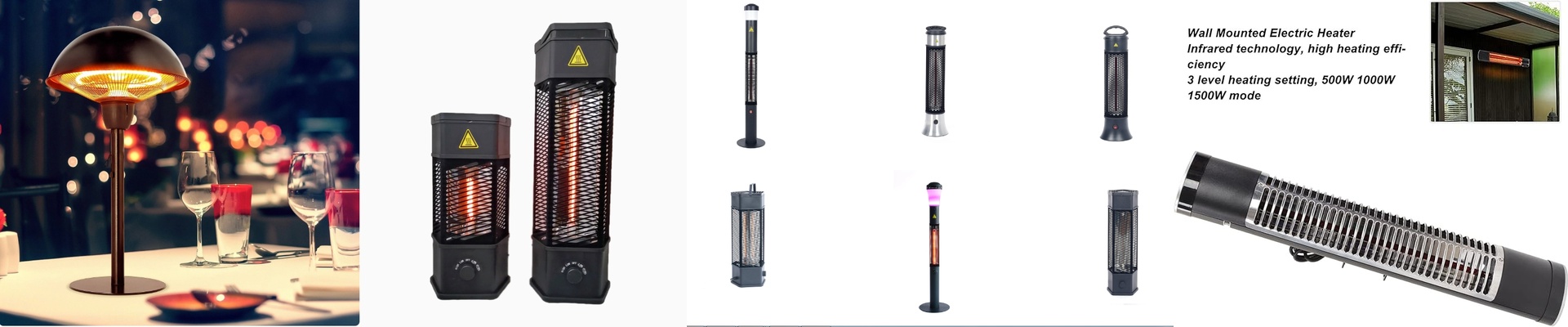
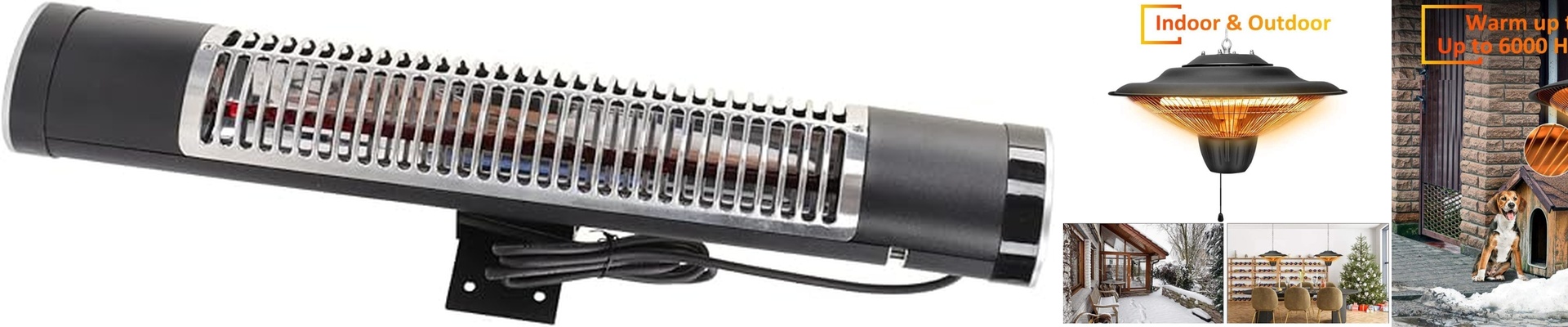
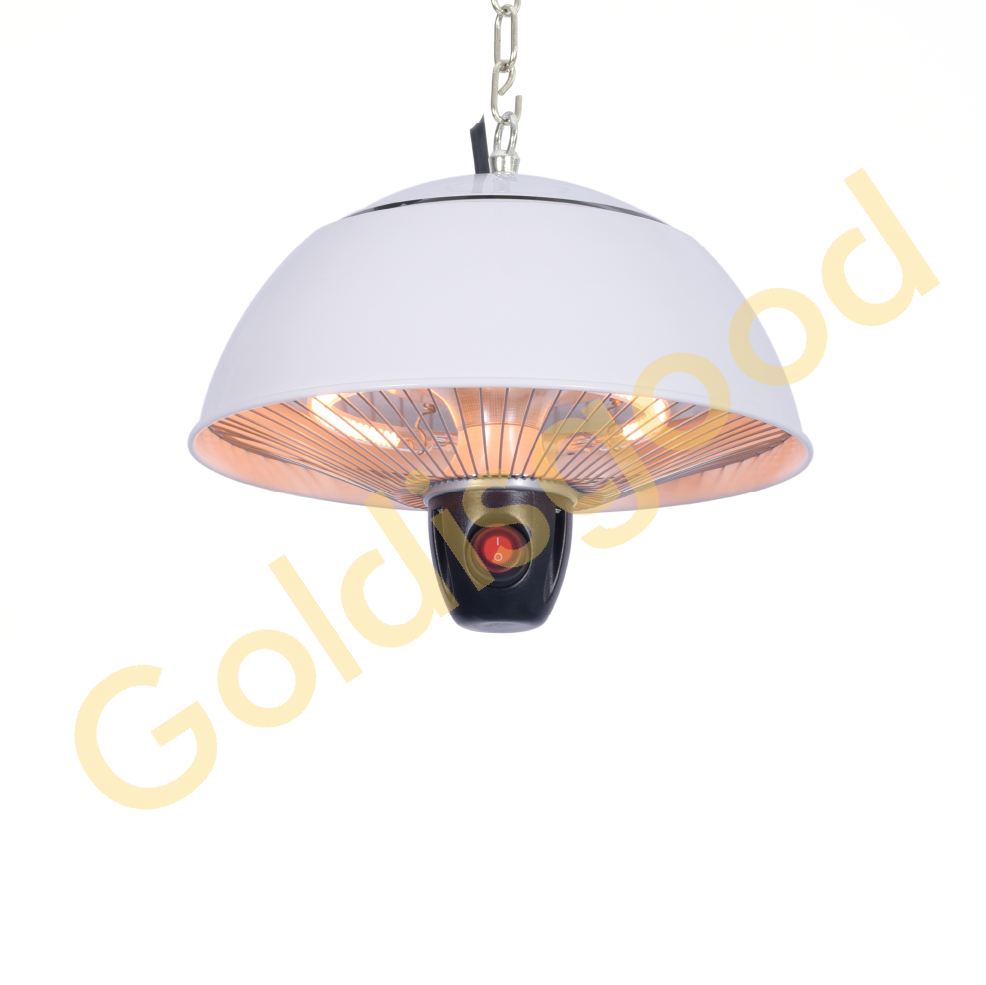
If you’ve spent any time in a cold workshop, you know the struggle. You turn on the heat, wait an hour for the air to warm up, and you’re still shivering because the cold air just sits there on the floor. That’s why I prefer ceiling infrared heaters. They don’t bother trying to heat the entire volume of air in the room. Instead, they beam heat directly onto you and your gear. It feels more like standing in the sun on a crisp autumn day. But the real magic happens when you stop flipping a manual switch and actually connect these things to your phone or a smart system. Getting that “Instant Warmth” The best part about infrared is how fast it hits. There’s no waiting for a boiler to get up to temperature or water to move through pipes. It’s almost instant. By using smart relays or PWM controllers, you can basically put your warmth on a schedule. I love setting mine to kick in about 10 minutes before the morning shift starts. You walk through the door, and the space is already welcoming you. No more starting your day with frozen fingers. The Tech Side (And how not to fry your gear) Here is where people usually mess up. You can’t just plug a heavy-duty ceiling heater into a cheap smart plug you bought at a big-box store. Those heaters pull way too much power; you’ll melt the plug in no time. To do this right, we use industrial contactors. Think of the smart switch as the “brain” and the contactor as the “muscle.” The smart switch sends a tiny signal to the contactor, which then handles the heavy electrical lifting to power the heater. It keeps your smart hub safe and your workshop from becoming a fire hazard. A Couple of Reality Checks Now, smart tech is great, but it isn’t perfect. First, Wi-Fi can be flaky. If your router decides to take a nap or the internet goes down, you don’t want to be stuck in a freezing shop. That’s why I always put a physical override switch on the wall. If the software glitches, you just hit the button. Simple. Also, remember that infrared works on a line-of-sight basis. If you mount a heater and then slide a massive piece of machinery or a mezzanine floor right underneath it, you’ve just created a permanent cold spot. No amount of fancy programming can fix a physical blockage. Map out where you’ll actually be standing and working before you drill holes in the ceiling. Your future self will thank you.