Introduction
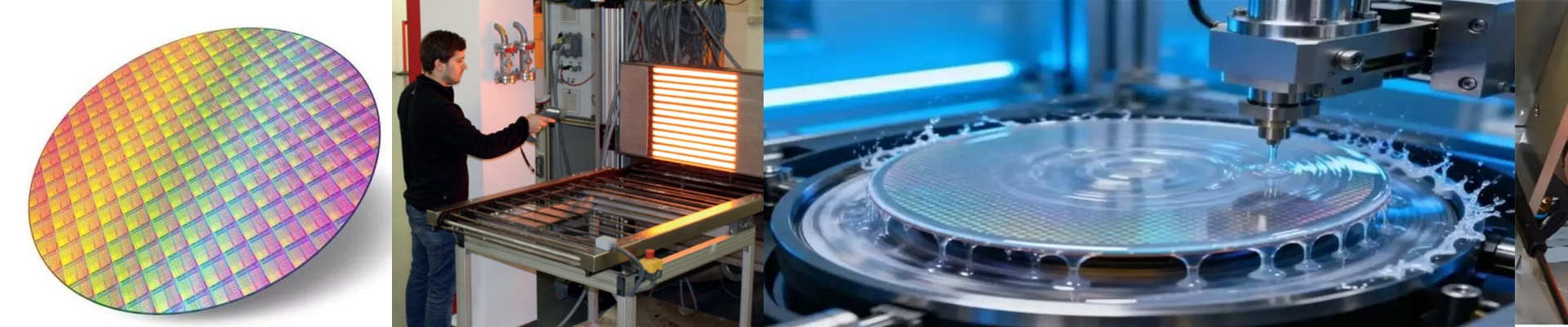
Let’s talk about the cleanroom trolley heater. In the world of semiconductor deep processing, it’s more than just a box that gets hot. It’s a real workhorse, a crucial link in the whole process. We ditched the old way of doing things—the slow, clunky hot air circulation—and went straight for infrared. Why? Because it saves you time. Real, tangible time. We built this system from the ground up for the cleanroom, with one goal in mind: heat that’s fast, and precise.
Technical Deep-Dive
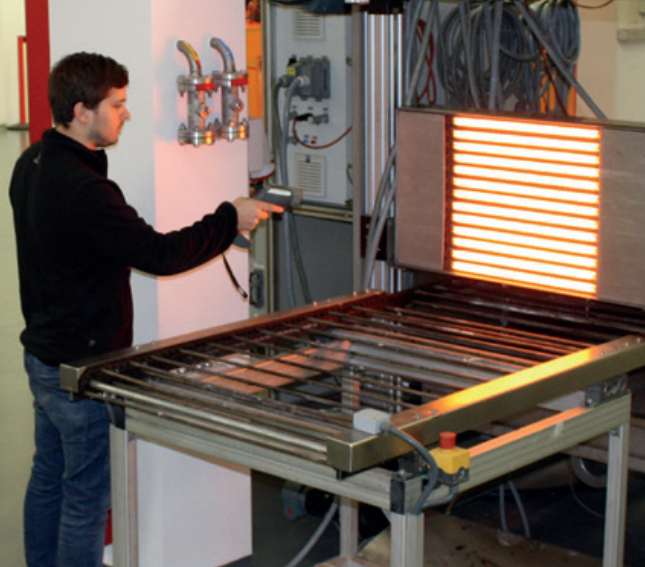
Here’s the magic. Infrared heating works by blasting energy directly onto the target. It doesn’t waste time heating the air around it. It’s a completely different way of thinking about heat. We designed it with serious power, typically running at 400V to fuel those high-wattage elements. That voltage lets us pack a huge amount of heat into a small space. The result? It gets hot way faster than those old convection methods. And the heating zone? It’s shaped to perfectly match the trolley’s load. So you get even, consistent heat without scorching anything nearby.
Material & Design
We chose a halogen-based quartz tube to generate that shortwave infrared radiation. Quartz is tough. It handles sudden temperature swings without breaking a sweat and stays rock-solid stable in a cleanroom. The tube itself has a special coating to keep it clean and make sure it radiates heat consistently, day after day. Then there are the connectors, like the R7s interface. They provide a solid, low-resistance connection that you can swap out in a flash. When it’s time for maintenance, you can just pop in a new one. No long, drawn-out downtime.
Application & Benefits
In a semiconductor cleanroom, space and time are gold. This infrared heater cuts down on preheating and drying, which means you can move more product through the line. And because it doesn’t need big blowers and a maze of ductwork, the whole setup is much simpler. Now, there is one thing to keep in mind. This system generates a lot of focused heat. That means your cooling and thermal management systems need to be up to the task to keep the overall environment stable. But for you, the engineer, it means faster changeovers, easier integration, and a heating solution that’s ready for the demands of modern deep processing.