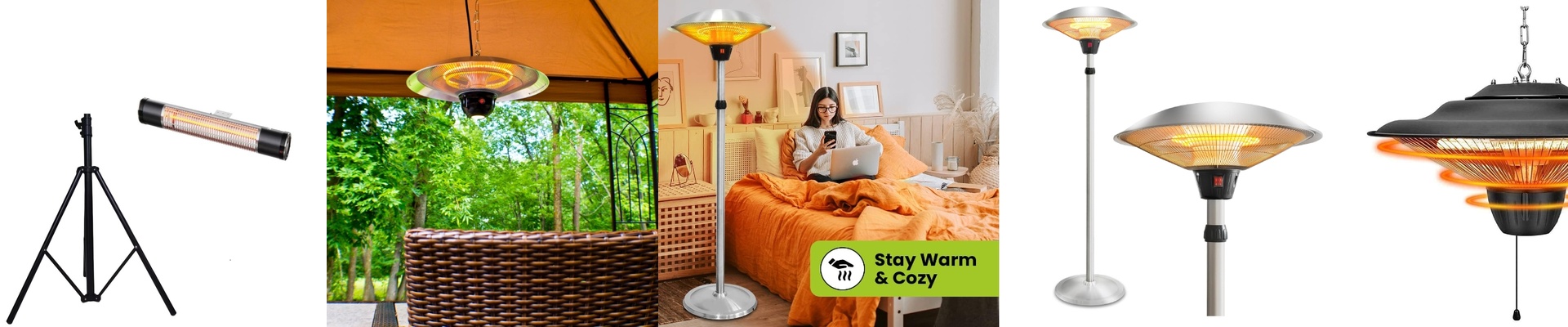
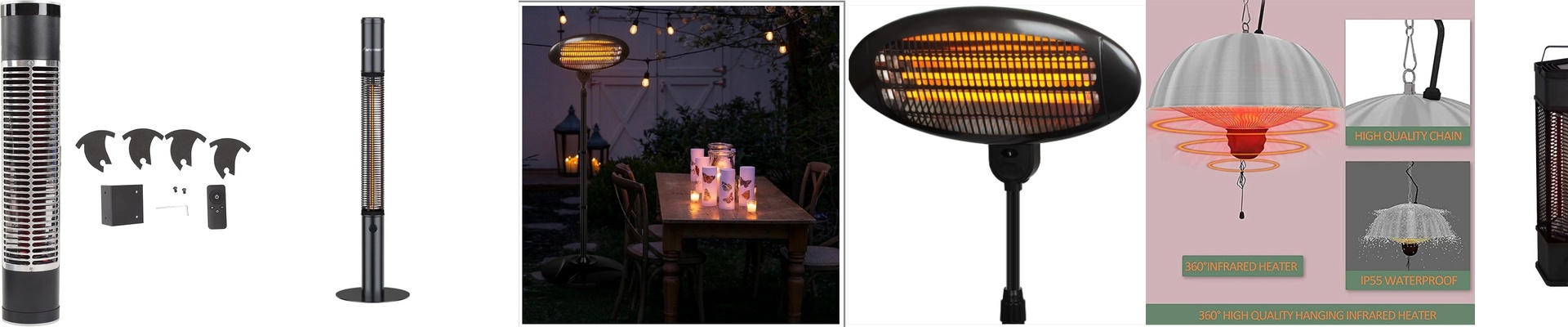
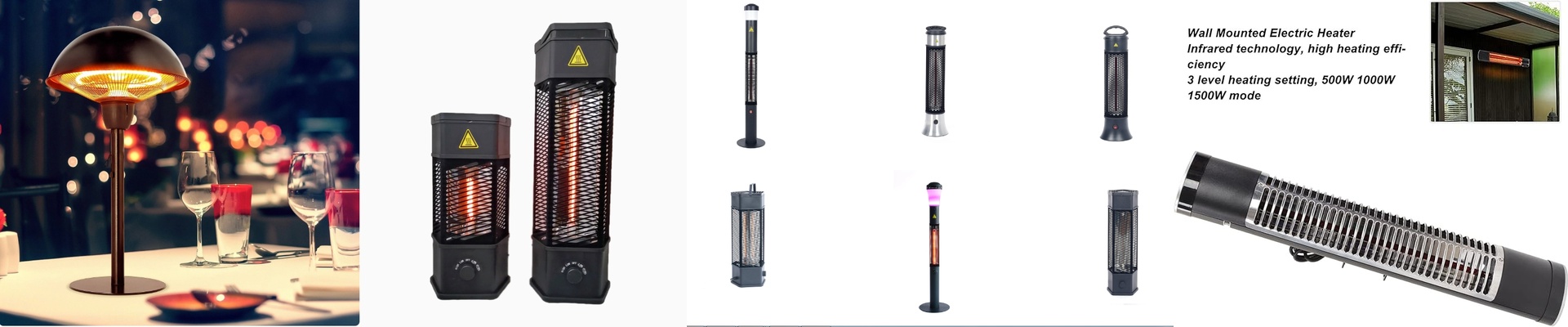
The Secret Sauce: It’s About Storing Heat, Not Just Making It
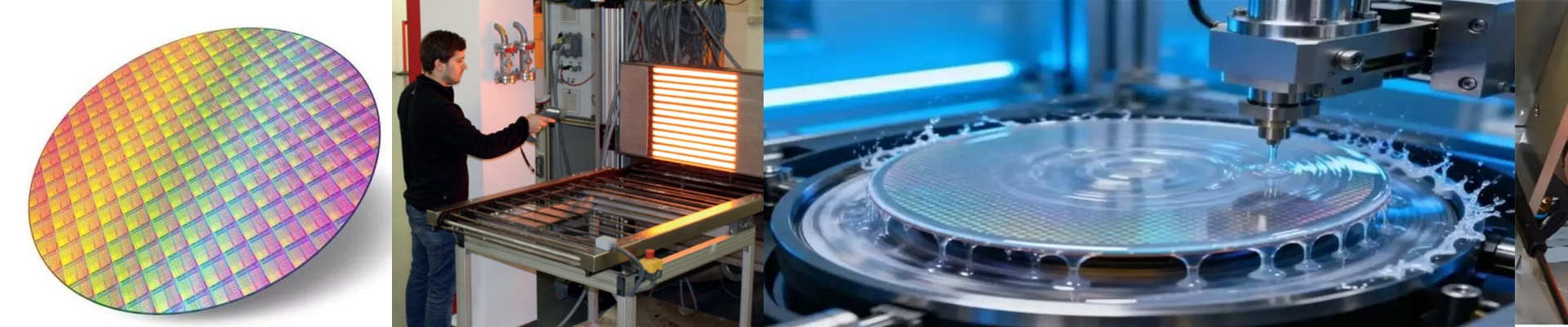
Here’s the thing about our big-room infrared heaters. We built them for industrial spaces where a steady temperature is way more important than brute force. The real magic isn’t just how much heat they crank out. It’s how they hold onto it. When the unit is running, that infrared warmth soaks right into the objects around it—the equipment, the walls, even the people. Then, when the power cuts off, all those warmed surfaces gently release that heat back into the room. It’s like having a thermal battery that keeps the place cozy long after the heater shuts down. This isn’t some wild theory. The physics is pretty simple. Infrared radiation transfers energy to solid objects, and those objects act like batteries. While forced-air systems just heat the air (which cools down fast), our heaters go straight for the thermal mass. That’s why you feel the warmth lingering, even when the unit is off.
Power, Voltage, and What It Takes to Cover a Big Space
We spec out these heaters to handle the demands of a massive room. The high-wattage elements give you the heat density you need to cover a huge area, while the high-voltage setup pulls less current. That means less energy lost in the lines and wiring costs that don’t break the bank. The end result? A heater that can handle a giant room without needing you to overhaul your entire electrical system. But, and there’s always a but, scale comes with a trade-off. High heat density means the surrounding area heats up fast. So you need to make sure your facility’s ventilation and cooling are ready to handle the extra warmth. If you’re running several units, plan your thermal management from the start. Don’t just wire them up and cross your fingers.
The Nitty-Gritty: Halogen, Coatings, and a Rock-Solid Connection
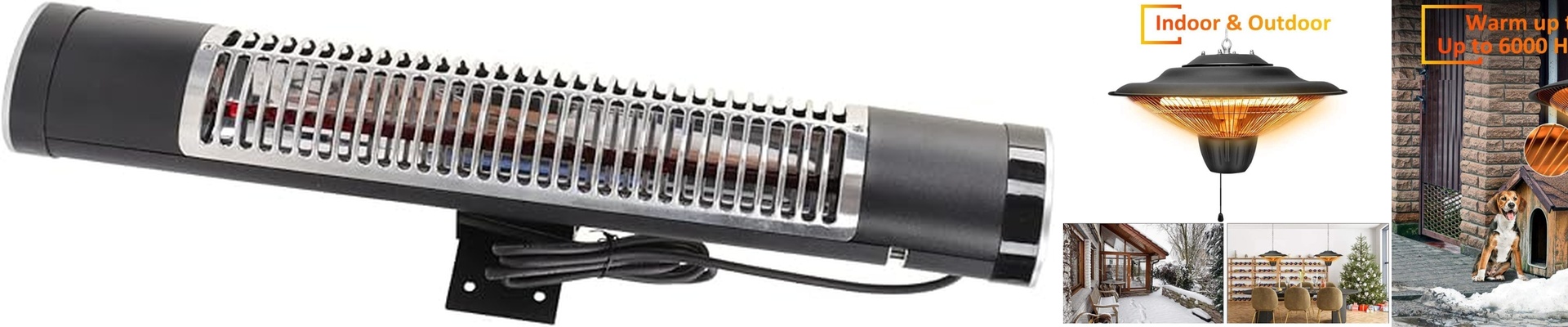
We use halogen-filled quartz tubes because they deliver consistent heat over time. The halogen cycle keeps the filament from degrading, so you get steady performance through long shifts. And the quartz envelope is tough enough to handle rapid cycling without cracking. A reflective coating inside directs all that infrared energy forward. This cuts down on wasted heat and keeps nearby components safe. And that R7s connector? That was a deliberate choice. It’s a proven industrial standard that ensures a solid connection, even after repeated installations. It’s a simple drop-in fit for standard mounts, so swapping a lamp is quick and painless—no rewiring needed.
What It Feels Like on the Floor
When you put this to work, you get targeted heating that’s perfect for workshops, warehouses, and production floors. Because of that heat storage effect, you get fewer temperature swings. That means smoother processes and a more comfortable environment for your team. Installation is a breeze, too. The R7s compatibility means you can retrofit existing fixtures without a major overhaul. But the real win is the control you get. You have predictable warmth that sticks around even after the unit shuts down, which helps cut energy use during peak times. Just remember, with high output comes the need for proper thermal management. Size your cooling to match, and this system will run reliably, day in and day out.