
Introduction
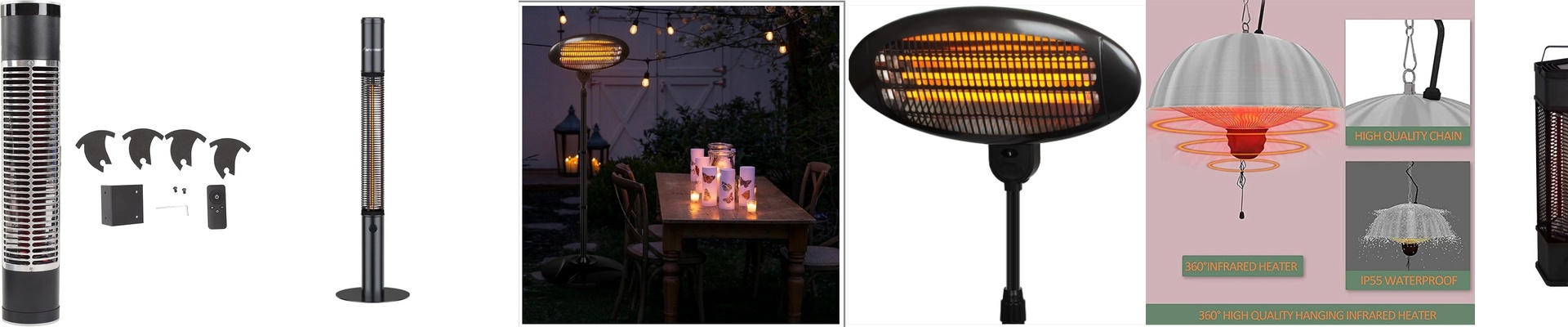
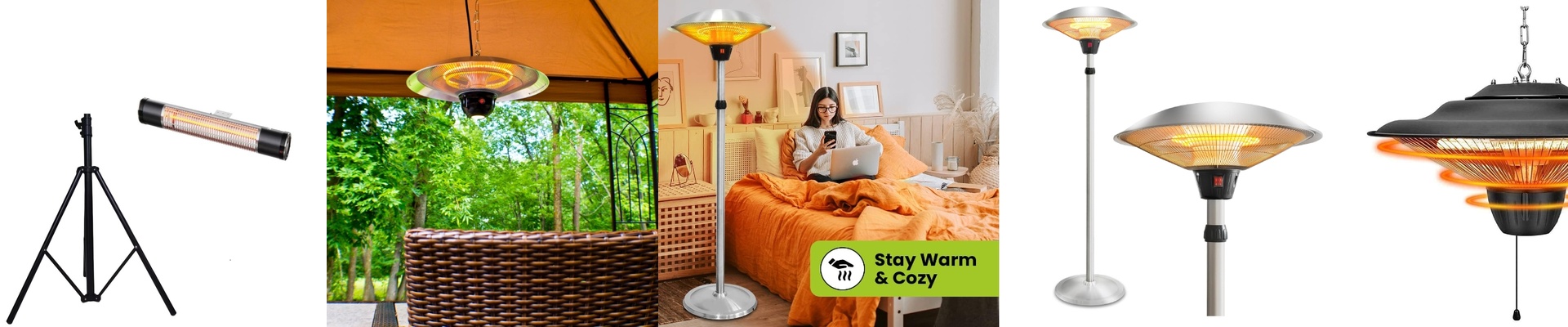
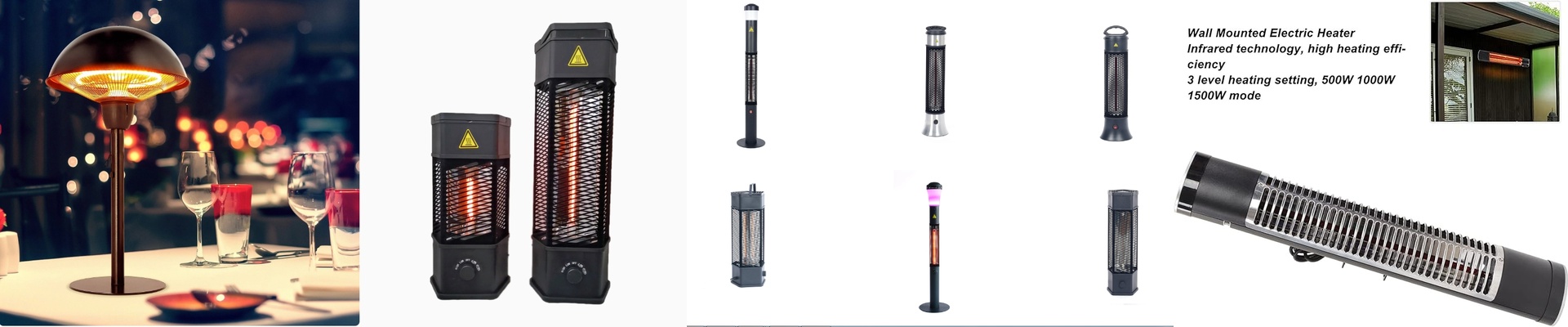
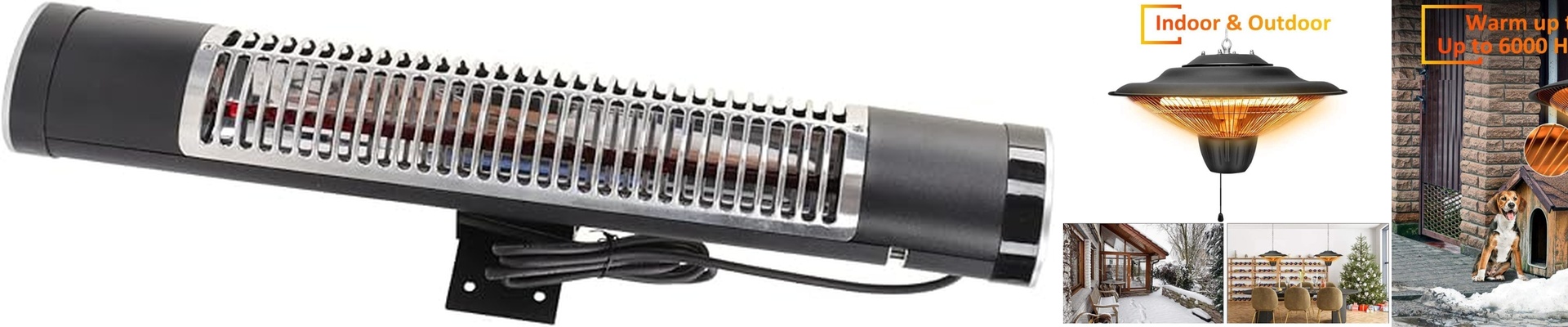
We built this wall-mounted infrared heater to be a true two-for-one for bathrooms. It throws out instant, comforting warmth, and at the same time, it uses targeted infrared to fight back against mold and help keep moisture in check. For engineers and planners, it means you can ditch the clunky convection heaters. This is a compact unit that handles both comfort and hygiene without taking up a ton of space.
Let’s Get Into the Details: Power, Voltage, and Size
At the heart of this heater is a shortwave infrared lamp. It packs a serious amount of heat into a small package. Most setups run on 220–240V, delivering between 1500W and 2000W. That gives you a strong, steady wave of radiant heat without tripping your building’s circuits. The tube itself is short—usually between 300 and 400mm—and the wall bracket sits close to the wall. This is a big deal in tight bathrooms where every inch counts. But here’s the thing: all that power comes with heat. The lamp runs hot, and the enclosure has to be built to handle it. If you go with a 2000W unit, you need to plan your ventilation and mounting clearance carefully. Make sure heat doesn’t get trapped behind the panel or inside the wall.
The Build: Quartz, Coating, and Connections
We chose a quartz tube for a reason. It heats up fast and can take the shock of rapid temperature changes without breaking. Inside, a halogen fill keeps the filament stable, so the output stays consistent over the life of the unit. The tube is also finished with a special coating that shapes the light spectrum. It pushes energy into the near-infrared bands, which means surfaces heat up quickly and the air dries out more effectively than with broad-spectrum heat. On the electrical side, we use an R7s connector. It’s a simple, secure way to hook up the lamp. The terminals stay tight even after repeated heating and cooling cycles, and when it’s time for maintenance, swapping out the lamp is quick and easy.
What It Does for You: Mold Control and a Healthier Bathroom
Bathrooms are damp by nature. Moisture clings to walls, ceilings, and fixtures, creating the perfect breeding ground for mold. This heater tackles that problem head-on. It works in two ways. The radiant heat raises surface temperatures, which speeds up evaporation. And the specific light spectrum targets those little pockets where condensation forms, helping surfaces stay drier. The payoff isn’t just warmth. It’s a real, measurable drop in surface wetness, which directly cuts down the conditions mold needs to thrive. For engineers, you’re getting a space-saving heater that also promotes a healthier indoor environment. It’s simple to wire and easy to service. Just remember the one trade-off: you’ve got to plan your airflow and mounting spot. If you do, the unit won’t have to work harder than it should.