If you deal with allergies, the colder months hit different. You want warmth, sure, but not the side effects—dry air, dust swirling through the house, and irritated airways that keep you up. Forced-air systems kick up particulates, and even some space heaters leave the air feeling parched. The result is discomfort, restless nights, and the nagging feeling that your indoor air is working against you.
The technical heart of it
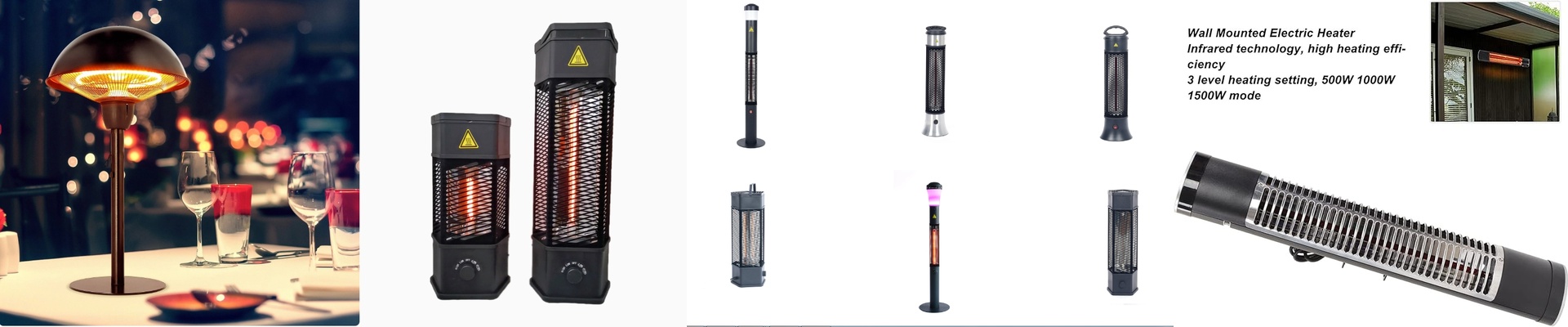
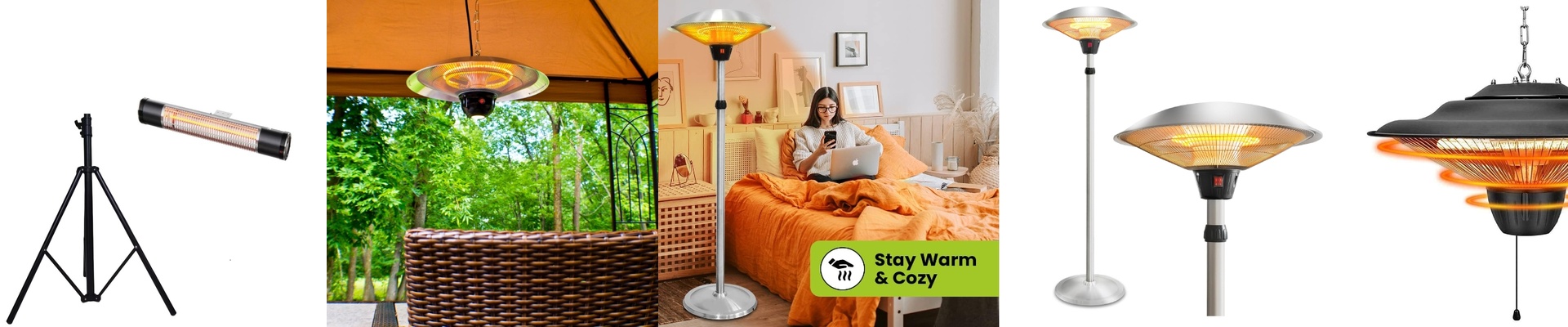
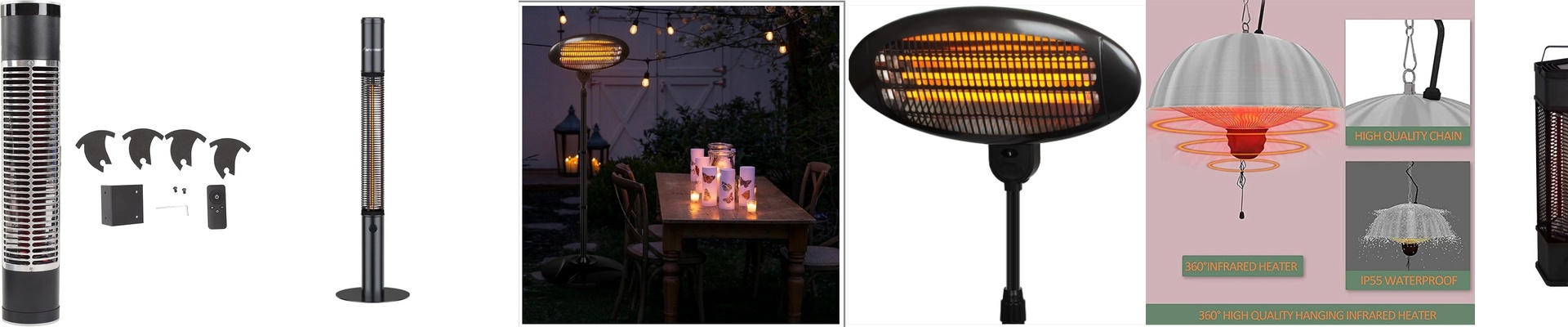
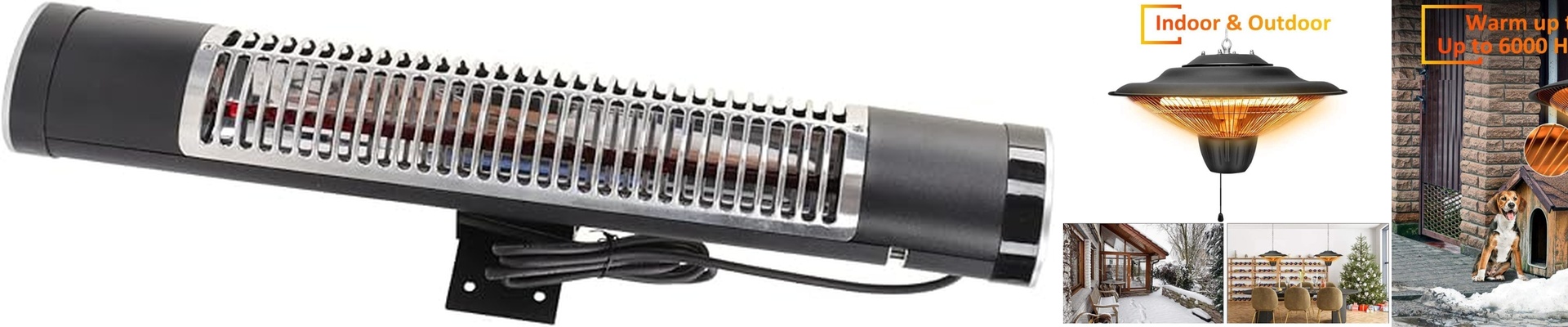
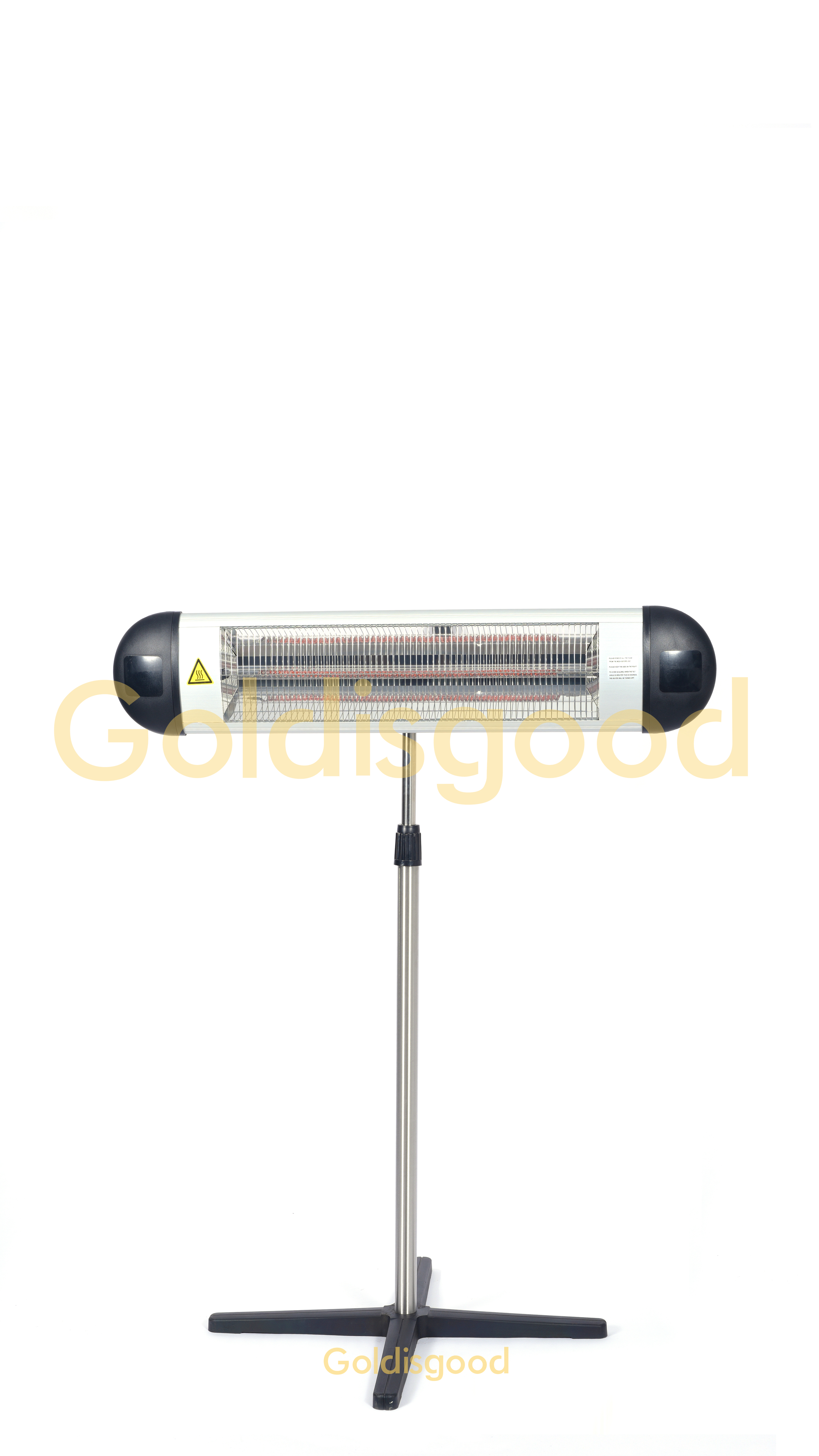
We built our industrial electric heater around a simple idea: heat people and objects directly, not the air. The core is a high-efficiency carbon fiber element inside a sealed quartz tube, delivering medium-wave infrared warmth. That means floors, walls, and your body warm first, while the air stays still and undisturbed. No fan means no dust or allergens being pushed around, and the unit runs quiet. Specs are straightforward—typical models deliver 1.5–3 kW, run on standard 120 V or 240 V circuits, and include a built-in thermostat for steady, even comfort.
Why this matters where you live and work
In homes and workshops where allergies are part of the daily grind, this approach makes a tangible difference. Because the heater doesn’t stir up dust or dry out the air, sensitive noses and eyes stay calmer. There’s no blast of hot air lifting pollen, pet dander, or fine shop particles into your breathing zone. You get a cleaner indoor environment—warmth you can feel and breathe, without the usual irritants. People notice it in comfort, and in how much easier it is to work, rest, and sleep through the season.
The practical stuff
Infrared warmth is directional, so placement matters. Aim the heater where you spend the most time, and reflect warmth toward key seating or work areas. These units are designed for indoor use in dry locations; look for a protective IP rating and keep clearances from combustibles as specified. If you want extra filtration, pair the unit with a room air purifier. The trade-off is simple: you get clean, quiet heat, and you just need to plan where to put it.