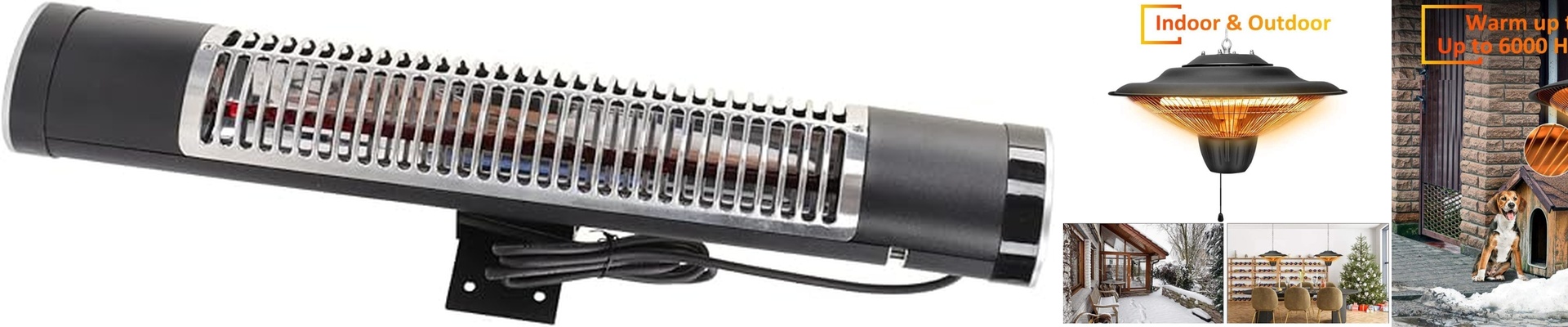
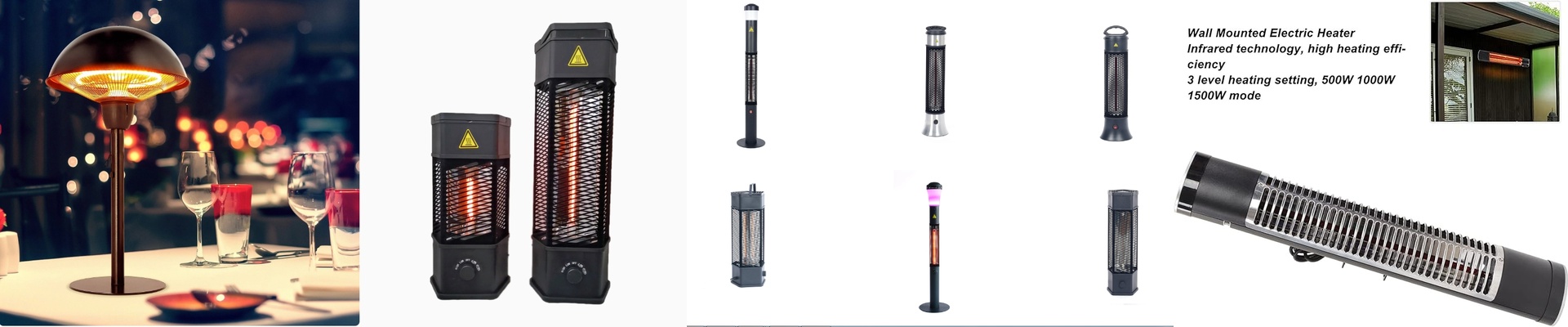
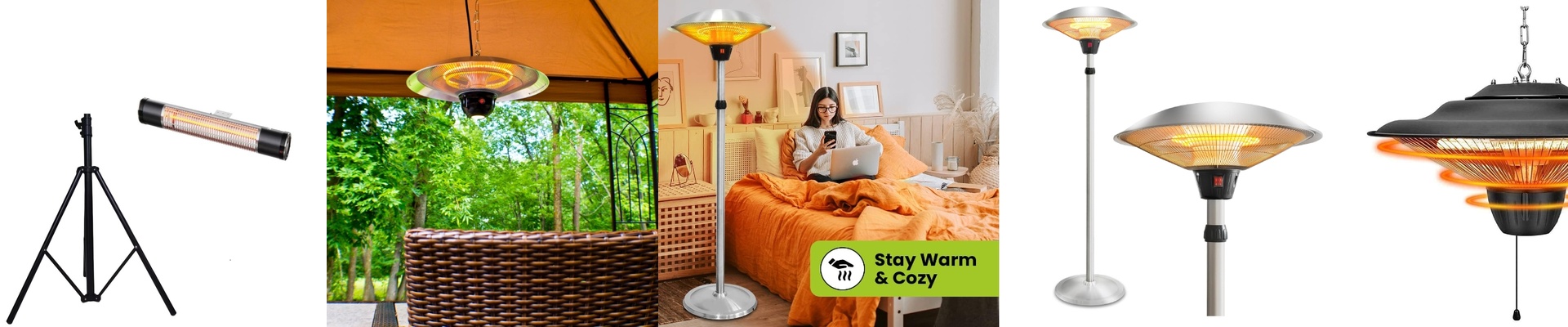
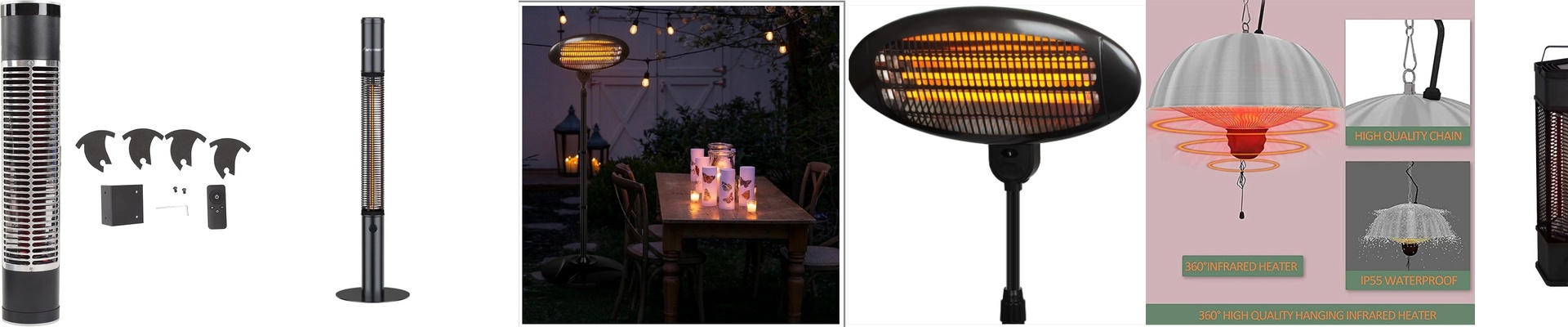
The true test of a camping electric heater doesn’t come when it fires up—it comes in the quiet hour after it shuts down. When the tent is buttoned up for the night, you want warmth that sticks around, not a sudden drop back into the cold. That lingering comfort is infrared warmth doing its thing: heating objects, not just the air.
What matters under the hood
Infrared camping heaters deliver radiant heat that travels outward and warms people and surfaces directly. We run a carbon fiber element inside a sealed quartz tube, producing short-wave infrared that cuts through clothing and gear to warm you where it counts. The heater runs on standard 120V outlets or generator power, pulling a load that stays stable—no surprise breaker trips. When the built-in thermostat hits your set temp, the unit cycles off. The heat stays, because the tent’s furniture, floor, and walls have absorbed the energy and re-radiate it back.
Why it works in the field
On a cold morning or a windy evening, that difference is obvious. Air-based heaters push warmth around, and the temperature falls fast once the fan stops. With an infrared camping electric heater, you get a steady, even feel of coziness that outlasts the active heating phase. That retained warmth helps your body relax, supports better circulation, and makes the whole campsite feel more comfortable—no chasing hot spots. You spend less effort trying to stay warm and more time actually enjoying the outdoors.
The details that matter
Infrared heat performs best in enclosed or semi-enclosed spaces where surfaces can absorb and give back heat. Out in a very open area, the effect is less pronounced. For safety, set the heater on a stable surface and keep it away from tent walls, sleeping bags, and other combustibles. Look for a model with tip-over protection and a proper protective grill. And keep this in mind: the afterglow of radiant warmth is real, but it won’t replace proper insulation and ventilation when you’re camping in cold weather.