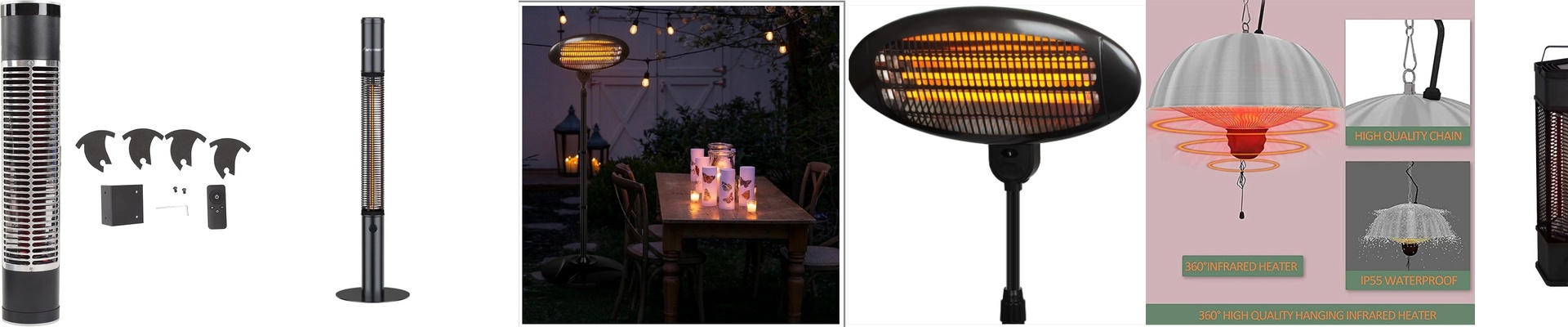
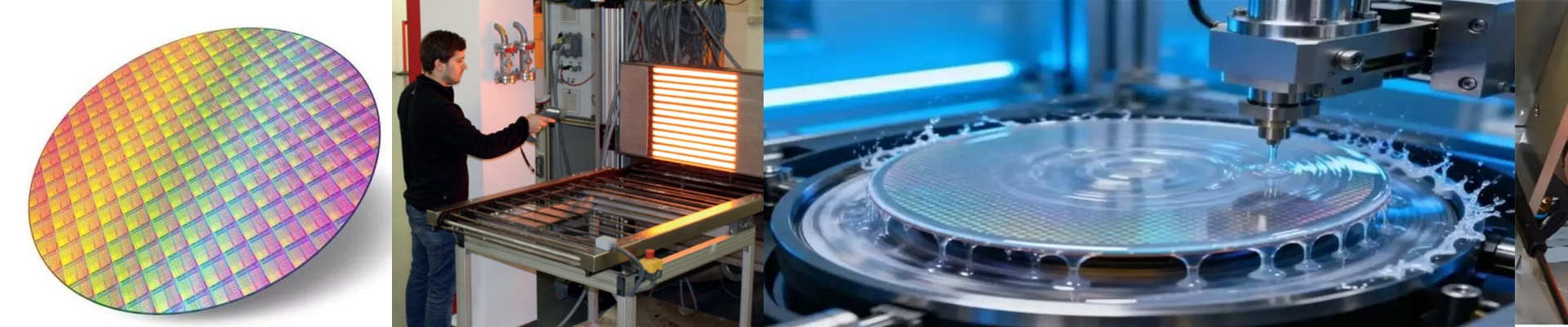
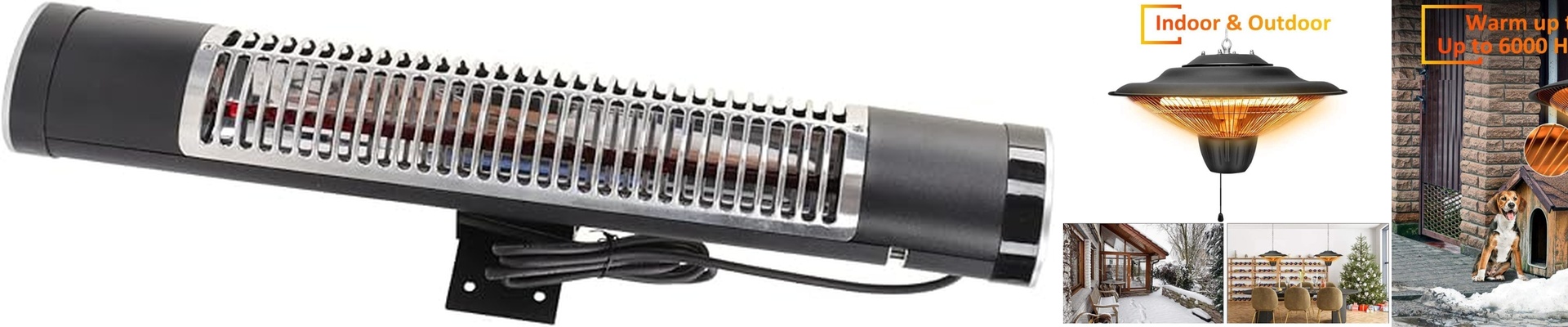
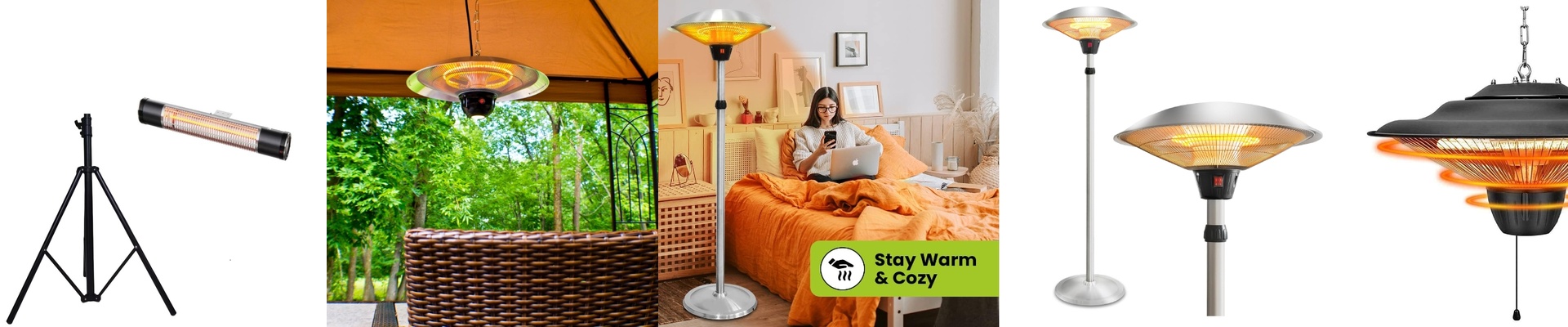
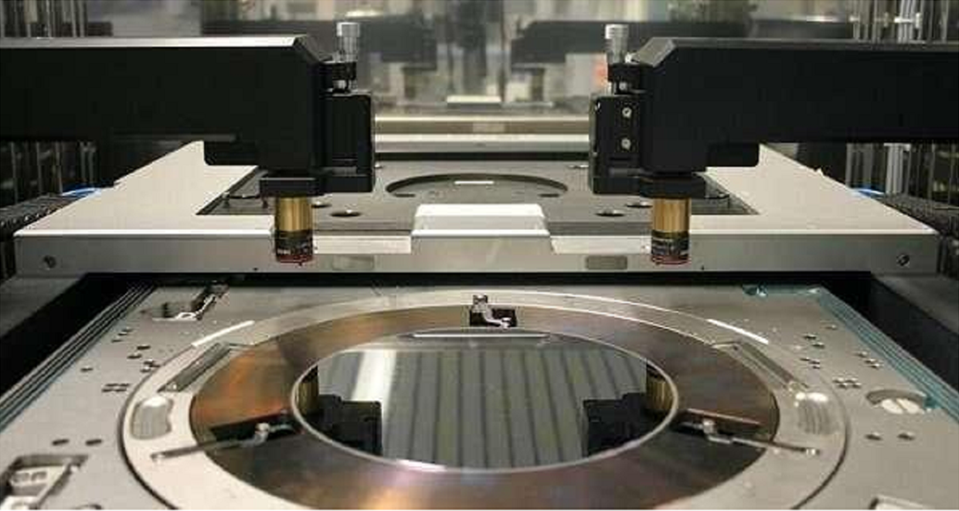
On the fab floor, you don’t judge a photoresist bake by degrees alone. You judge it by uptime, by particle counts that don’t creep, and by CD consistency across thousands of wafers. When the bake heater drifts or trips, the line stops—and you lose product and thermal budget in the process. What we built, and why it matters We built this photoresist bake heater around a short-wave infrared element and a quartz-reinforced thermal stack, because that’s how you get wafer-level uniformity within ±0.1°C. The heater body is tuned for cleanroom Class 1–100: sealed joints and a low-outgassing architecture that keeps particle generation at zero. Temperature repeatability holds across soft bake and hard bake recipes, so exposure windows stay stable shift after shift. It’s built for 24/7 duty with no unplanned failures, and life is extended by corrosion-resistant geometry and a controlled thermal gradient that reduces stress cycling. Why this matters in lithography In lithography, bake temperature sets photoresist flow, residual solvent, and etch selectivity. With this heater, you run consistent bake profiles lot after lot, cut rework, and tighten CD control without chasing drift. Energy use drops, too. The heater hits setpoint fast and holds it without overshoot, so your thermal bill per wafer comes down. Fewer replacements also mean fewer PM interruptions—and fewer process interruptions. What you need to get right on install and operation Installation comes down to exact alignment to the hot plate interface and cleanroom-rated power and control connections. Mismatched cabling can inject noise that shows up as uniformity issues. The heater performs best when chamber airflow is steady and ambient temperature stays within the specified band. Expect to calibrate periodically to keep that ±0.1°C window, but plan on long intervals between interventions—our field units have logged tens of thousands of hours with stable output and zero particle excursions.