Introduction
Ever been in a plant where the air feels like it’s been baked dry? Where the heat is everywhere, but the product still feels brittle? That’s the problem with most industrial heating. You end up heating the whole room, not the actual thing you need to warm up. Our low-noise electric infrared heaters flip that script. They zero in on the target—the part, the product, the material—leaving the surrounding air alone. So you get the heat you need without drying everything out or corroding your equipment.
The Nitty-Gritty: Power, Voltage, and Shape
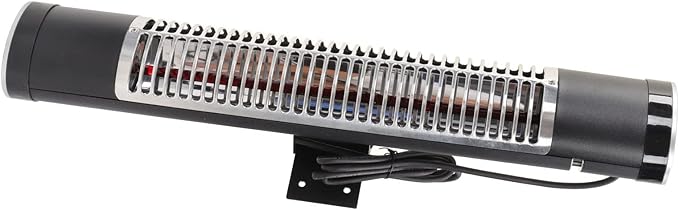
Here’s the thing: sizing an infrared heater isn’t about throwing watts at the wall. It’s about matching the power density and the physical footprint to the job. You’ve got flexibility—units run from 220V to 400V, and 1000W up to 2500W. That means you can dial in the heat to the load without overbuilding the electrical run. And the quartz tubes? They come in lengths from 300mm to 1500mm. Narrow line or wide zone, you can cover it. Because shortwave emission focuses the energy exactly where you need it, you get fast warm-up and quick response. No need to heat the entire room.
What’s Inside: Halogen, Quartz, and the Right Connections
The heart of the system is a halogen-filled quartz tube. Quartz handles high filament temperatures with ease, which keeps infrared output steady. Halogen gas helps, too—it slows filament evaporation and cuts down on hot-spot burn-out, so the lifespan stretches out. For installation, R7s and Sk15 connectors make it simple. They lock in securely, stand up to high heat, and get you wired fast on the shop floor. And because there’s no fan and no turbulence, these heaters run quiet. A welcome change from the roar of forced-air systems.
What It Feels Like on the Floor
In real life, this means you can run PET blowing, plastic forming, or coating lines without stripping moisture from the material. The heat hits the product surface, the ambient humidity stays steady, and defects drop off. One note—because the output is high density, your machine enclosure needs ventilation. That keeps electronics and operators at a safe temperature. For engineers, it’s a straightforward, drop-in heating solution. It specs clean, wires up quickly, and holds up under the grind of continuous production.