
Introduction
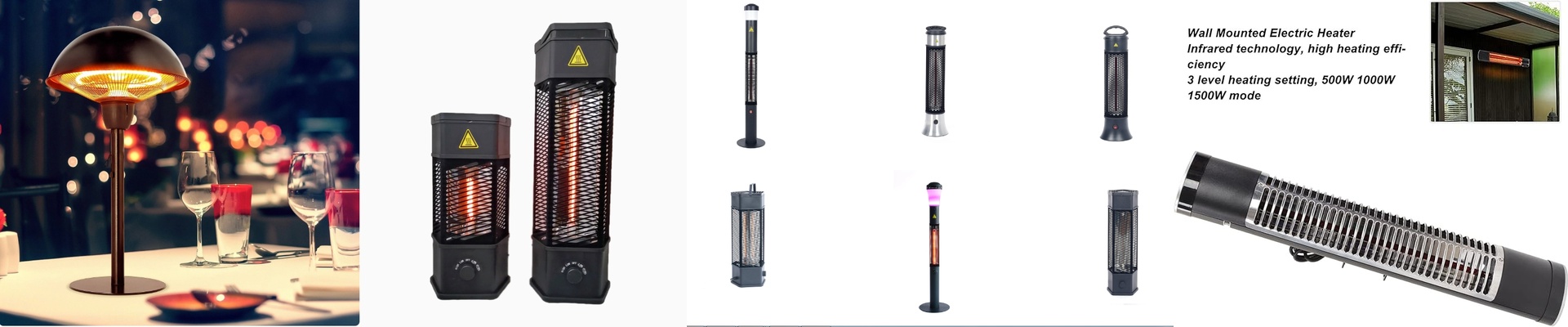
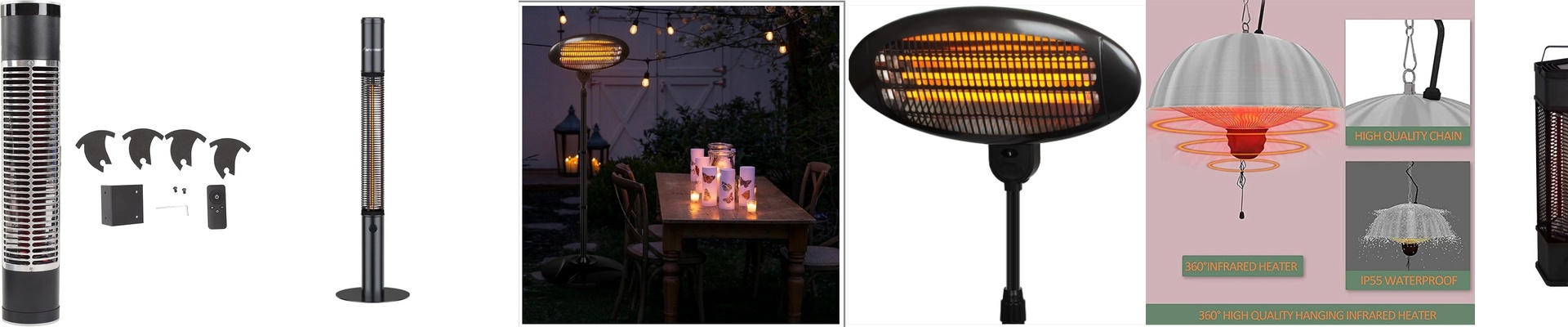
We built this infrared heater for places that need serious heat—but also peace of mind. Especially when pets are around. It uses a halogen element to throw off intense, radiant warmth, focusing the heat exactly where you want it instead of just heating the whole room. And because it’s radiant, the surface stays cooler than a typical coil heater. So you get strong performance without the burn risk.
The power, the voltage, the size—in plain terms
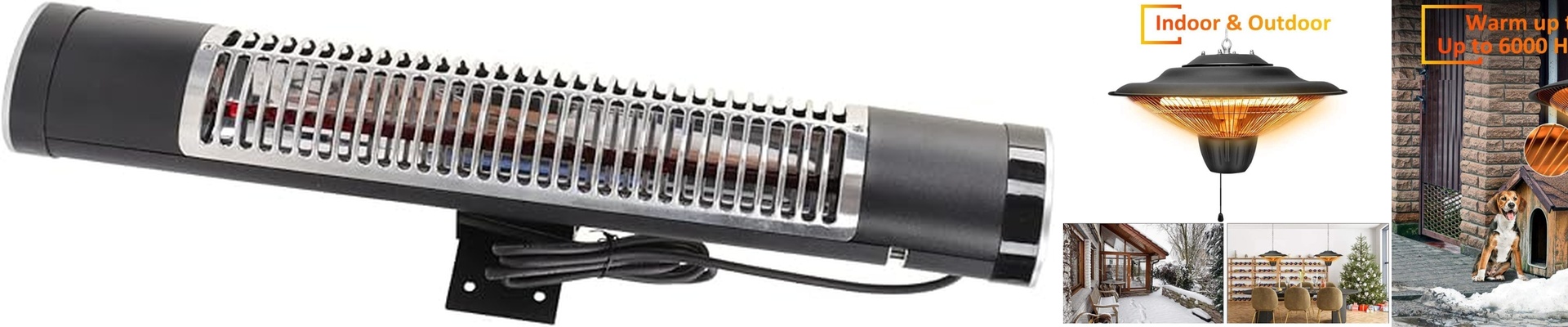
This thing is built for real heat, fast. Plug it into a 400V supply, and the halogen element comes alive quickly and holds steady, even when it runs for long stretches. The tube is 300mm long, which means the heat stays concentrated in one spot. You’re not wasting energy trying to warm a giant area—just the spot that needs it. Let’s be clear: this isn’t a gentle “cozy up” heater. It’s a compact powerhouse, and that means your space has to be ready for the heat it puts out. Plan your clearances and cooling ahead of time. The heater delivers a lot of energy, and the room needs a way to manage it.
What it’s made of—and why it matters
Halogen keeps the filament stable when things get hot, so the output stays consistent over the life of the tube. The quartz envelope handles temperature swings better than regular glass, so you can turn it on and off without worrying about cracks. And the tube has a special coating that helps keep the surface temperature down—so accidental touches are less risky—while still letting strong infrared heat through. For wiring, it uses an R7s connector. It’s a practical choice: secure, low-resistance, and repeatable. You get cleaner connections, fewer hot spots, and when the tube finally needs replacing, the swap is quicker and simpler.
Where it shines—and what to expect
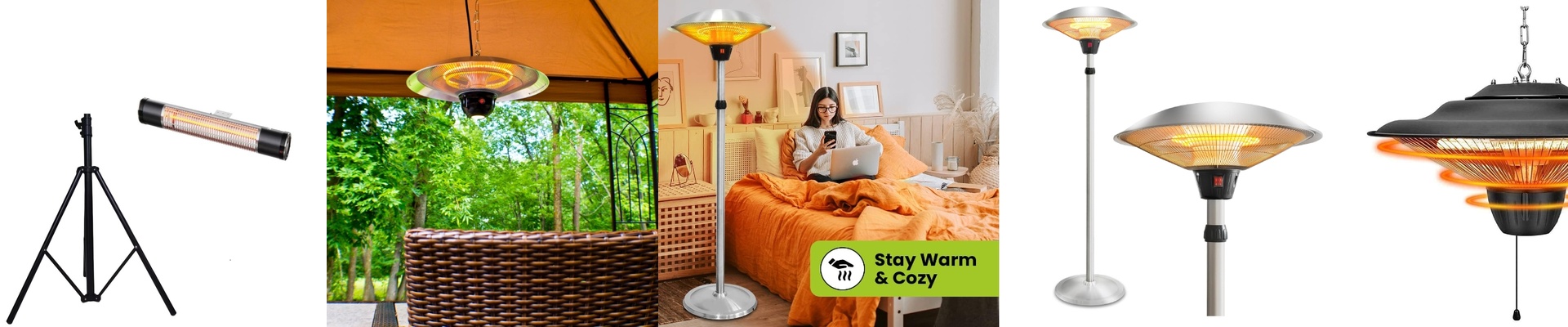
This heater is at its best when you want heat in one spot, not the whole building. Workshops, climate-controlled enclosures, even areas where animals spend time—this is the kind of heat that stays focused. And yes, it’s pet-safe in the way that matters most: it balances high radiant output with a controlled surface temperature. Not by turning down the power, but by smart design. The trade-off is honest. You get dense, directional heat in a small footprint. But your setup needs to handle the thermal load, and you need to mount it at the right distance. Wire it up right, give it the space it needs, and it just keeps doing its job—day after day—without fuss.