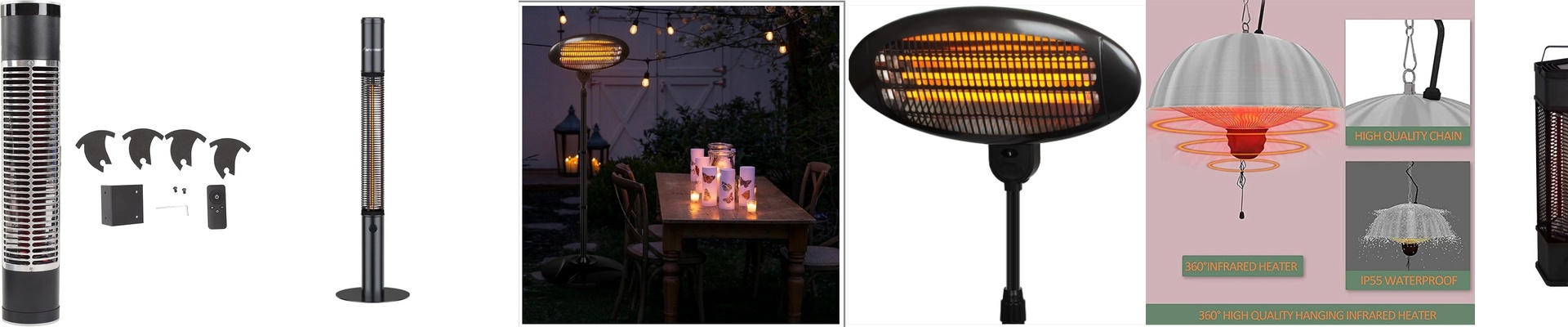
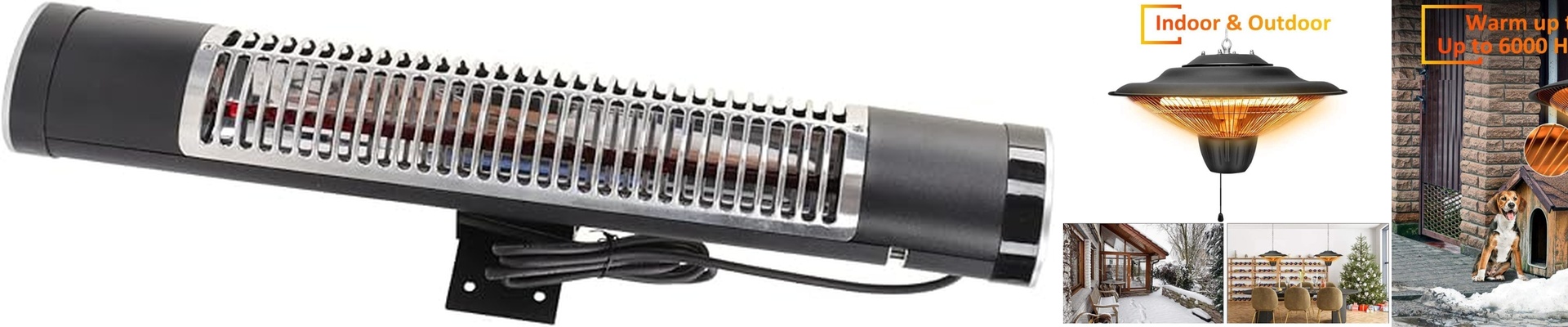
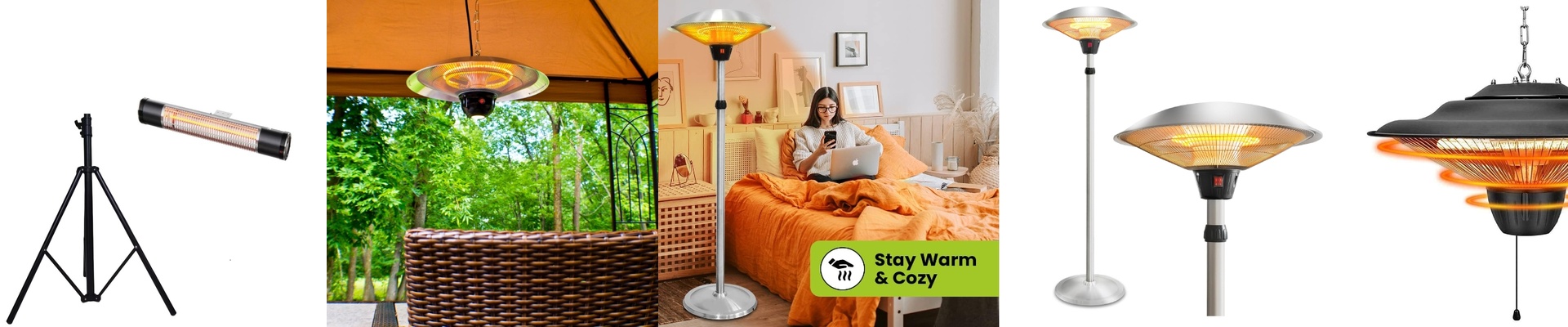
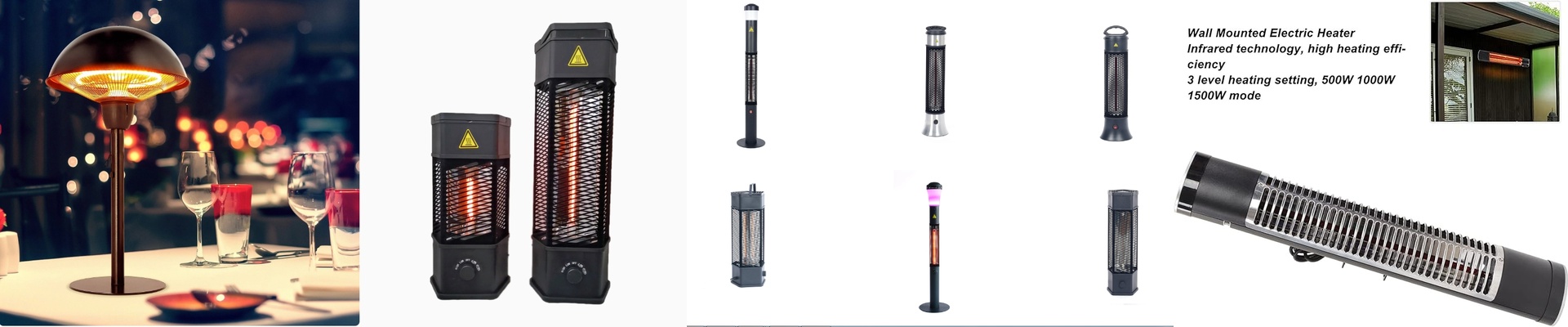
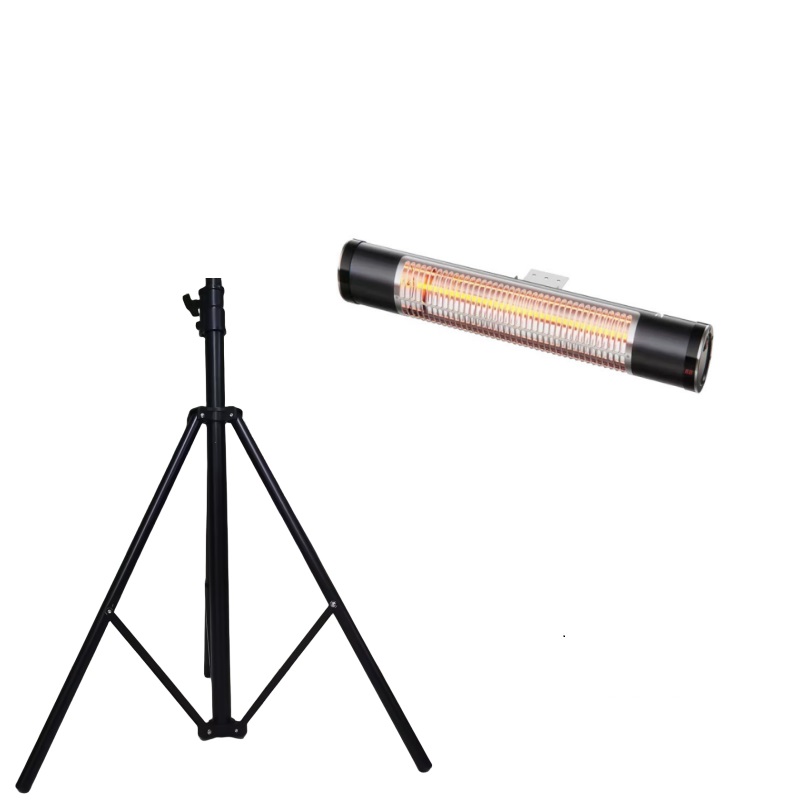
A loft sunroom is a great space—until the glass turns into a heat sink. Big windows make conventional heating feel like pouring water into a bucket with no bottom: the warmth rises, slips away, and the room never settles. Infrared electric heaters cut straight through that problem because they deliver comfort the way your body actually feels it—directly.
What matters under the hood
We build these heaters around radiant technology. The infrared warmth radiates outward like sunlight, not like a blast of heated air. A carbon fiber element comes up to temperature fast and spreads a broad, even field of comfort without churning cold air around. You get warmth on demand, and the built-in thermostat holds the set temperature by cycling the element on and off—no overheating the room and wasting energy. The end result is steady, quiet heat that doesn’t rely on moving air.
Why this works in a glass-heavy loft
In a room with a lot of glass, the real fight is heat loss. Infrared warmth targets people, furniture, and the floor—the surfaces that actually hold comfort—so you feel cozy even when the nearby air is cooler. That matters on chilly mornings and cool evenings, when the space would otherwise feel drafty. The focused warmth helps keep the feel stable, so you’re not constantly chasing the thermostat up and down. It’s straightforward comfort: flip it on, and the room becomes usable again.
The practical details
Plan placement first. For the best results, mount the heater high on a wall or ceiling with a clear line of sight to the seating area, and keep the glare off people. Most models plug into a standard outlet, but if your loft has older wiring, confirm the circuit can handle the load and use a dedicated outlet. Keep the unit away from curtains and furnishings, and stick to the clearances in the manual. One thing to keep in mind: infrared heats objects and people directly, so the room feels comfortable faster, but the surrounding air can stay a bit cooler than it would with a convection heater.