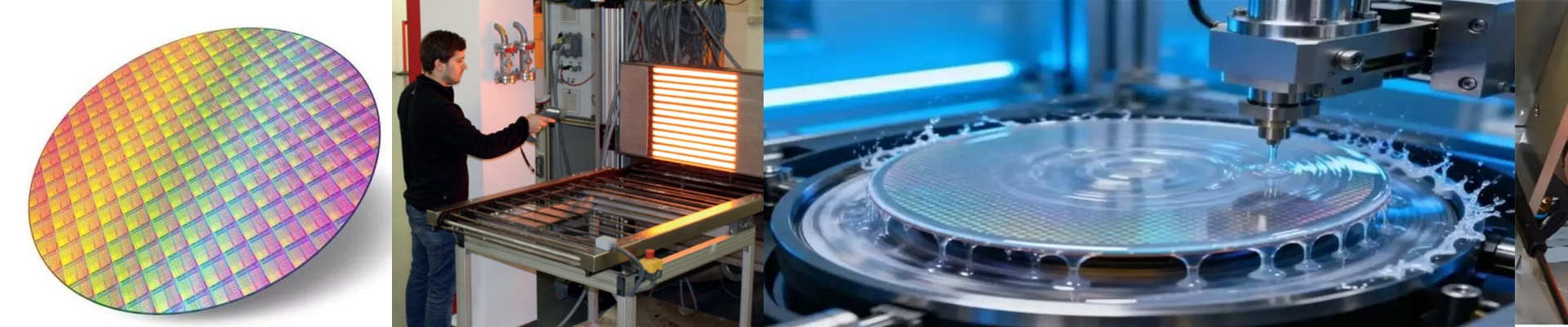
On the lithography floor, an AFM scan is dead in the water if the sample temperature drifts even half a degree. Photoresist behavior—soft bake, hard bake, and the dimensional control that follows—is all thermally driven. If your heater can’t hold setpoint with sub-0.1°C uniformity, you’re not measuring; you’re guessing.
What matters, technically
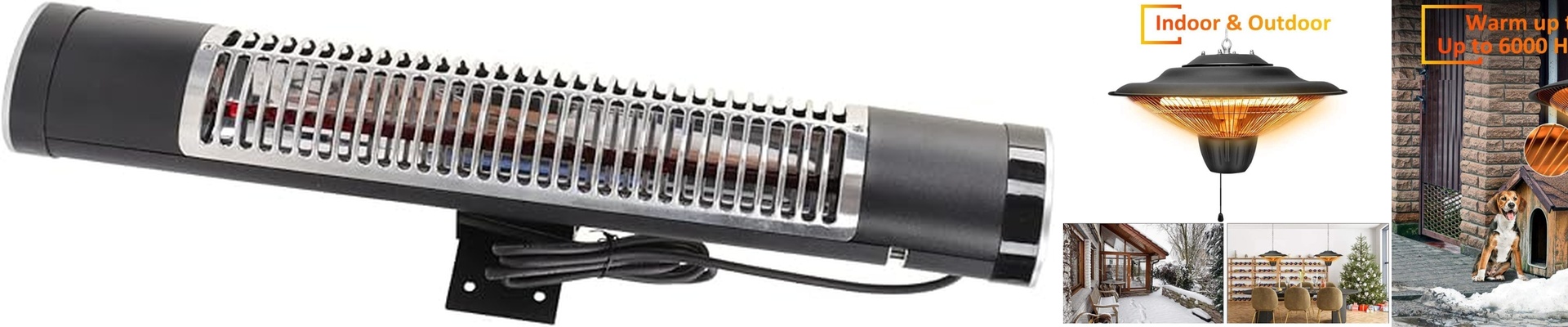
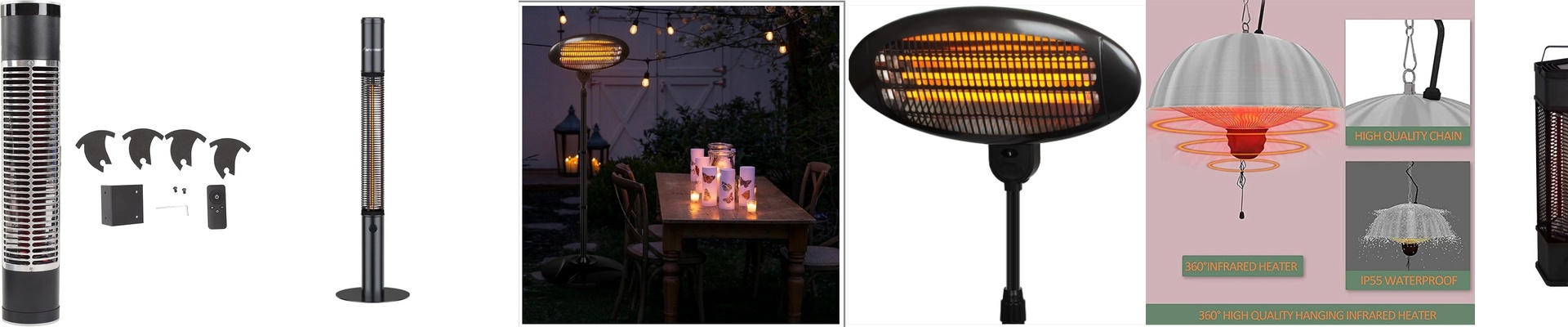
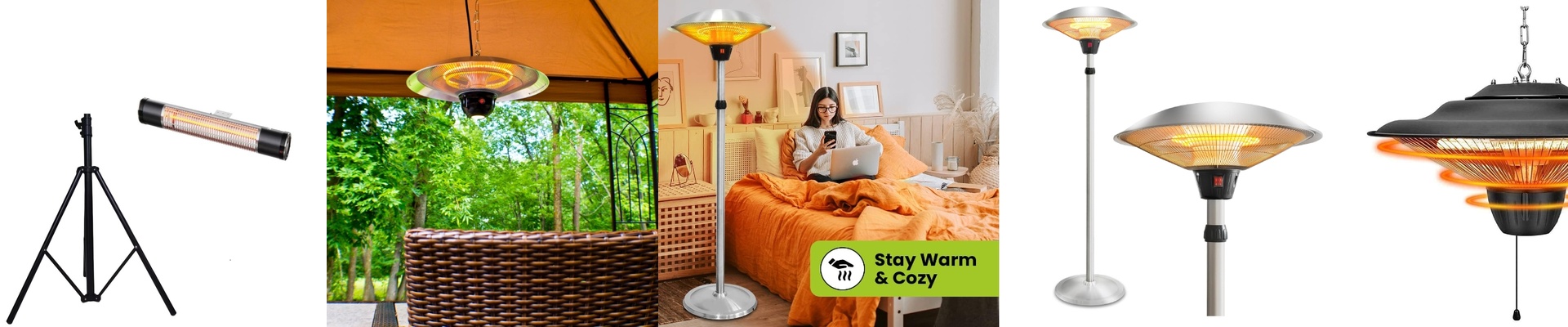
We build these AFM heaters around three things: thermal stability, cleanroom behavior, and repeatability. The unit hits ±0.1°C wafer-level uniformity across 25°C to 300°C, traceable to a calibrated reference standard. The construction uses high-purity quartz and short-wave NIR elements to keep outgassing and particle generation down. Surface finishes and seals are specced for Class 1–100 cleanroom operation, so particle counts stay low and contamination doesn’t migrate. Control is closed-loop with a stable PID profile, so photoresist bake sequences stay inside the process window without overshoot.
Why it fits the AFM workflow
In AFM, you need temperature that locks on fast, holds steady, and resets clean between runs. This heater settles within minutes, runs consistent soft bake and hard bake profiles, and keeps thermal repeatability lot after lot. That means fewer rework scans, tighter critical dimension control, and cycle times you can plan around. Efficiency comes from tight radiant coupling and thermal mass optimization, so you don’t dump waste heat that shakes the stage and optics.
What you need to know up front
Installation comes down to matching the AFM stage interface and staying inside the thermal budget of the surrounding mechanics. Confirm voltage and connector compatibility, and place the sensor so it doesn’t cross-talk with the probe. Vacuum or controlled atmospheres change heat transfer, so share your chamber conditions so the control profile can be tuned. Expect a short commissioning run to nail the PID gains for your specific sample stack.