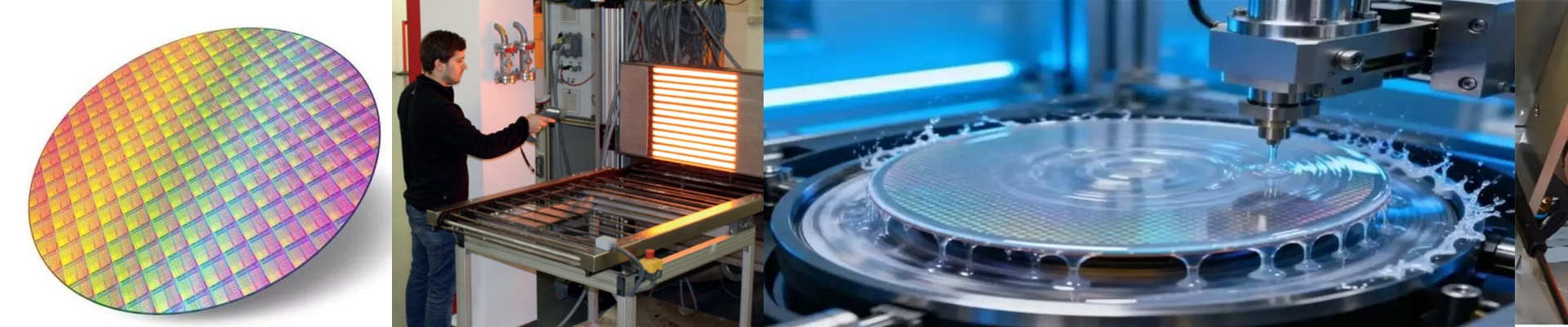
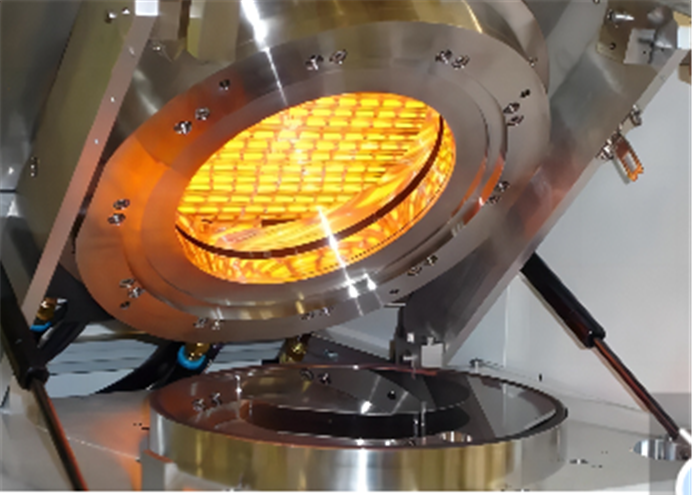
On the fab floor, photoresist bake isn’t a “nice-to-have”—it’s the line in the sand. A soft bake that drifts even a hair, and your critical dimensions start wandering across the wafer. Miss uniformity on the hard bake, and yield walks out the door. We built our ceramic infrared heater panels to lock that variability down, so lithography cells running 24/7 get the thermal control they demand, shift after shift. What matters, technically These panels lean on ceramic infrared emitters tuned for fast, localized heating with a snappy response. Wafer-level uniformity stays within ±0.1°C across the active surface, and repeatability holds steady cycle after cycle. The design generates zero particles, so cleanroom particle counts stay inside Class 1–100. Power delivery is stable, with tight control over the thermal budget, so photoresist profiles stay consistent from lot to lot. Here’s why it holds up in production: you need heat that arrives fast, stays put, and doesn’t ruffle the process environment. Our panels hit precise soft bake and hard bake profiles, cut down temperature overshoot, and shorten ramp times without losing control. The payoff is fewer rework lots, tighter CD control, and yield you can plan around. Energy use drops, too—emitter efficiency puts the heat where it’s needed, not wasting it on the chamber walls. Installation comes down to fit and hookup. Match the heater footprint and mounting interface to your equipment, and make sure the electrical integration lines up with the existing busbar and connector scheme. The panels run best on clean, dry air and stable line voltage; if voltage sags drift outside the tolerance band, performance will follow. Plan the thermal budget and clearances up front so the panel works with your chamber geometry, not against it.