Keeping Your Class 100 Cleanroom Actually Clean
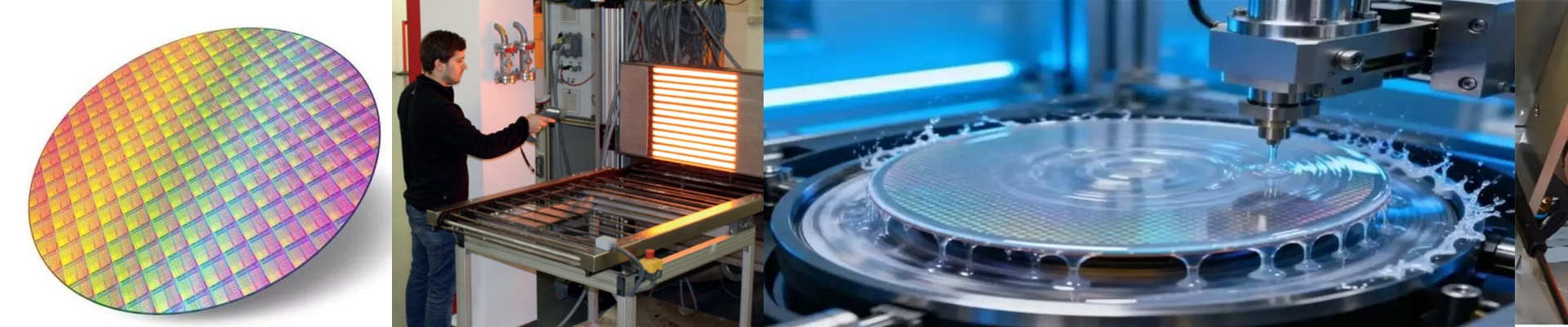
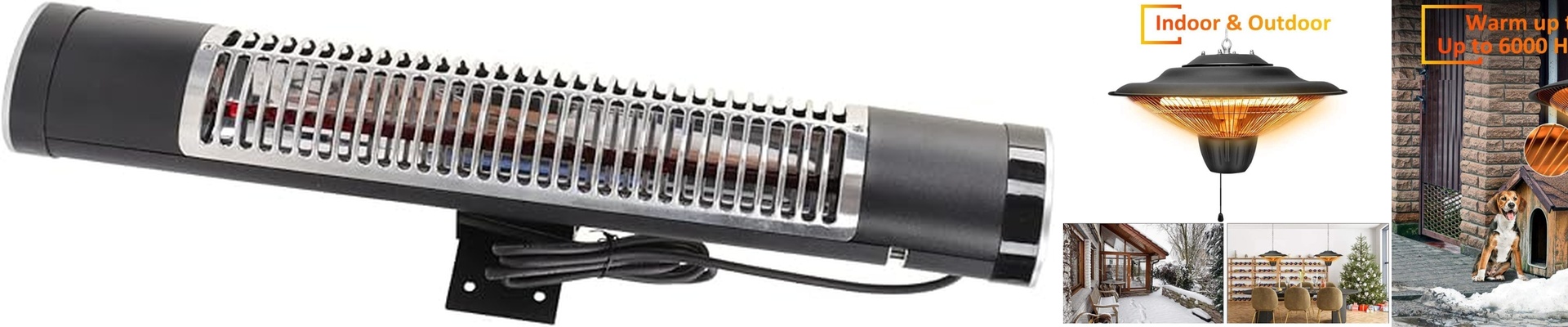
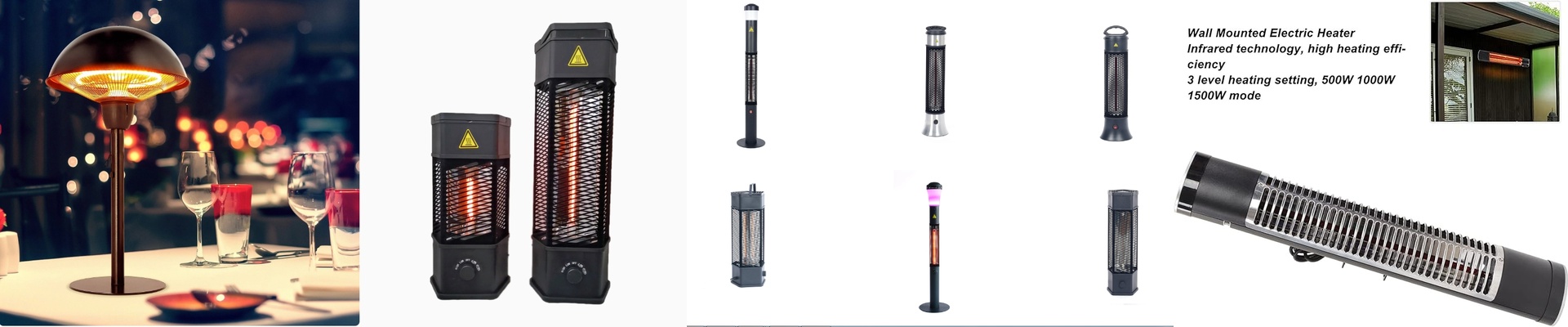
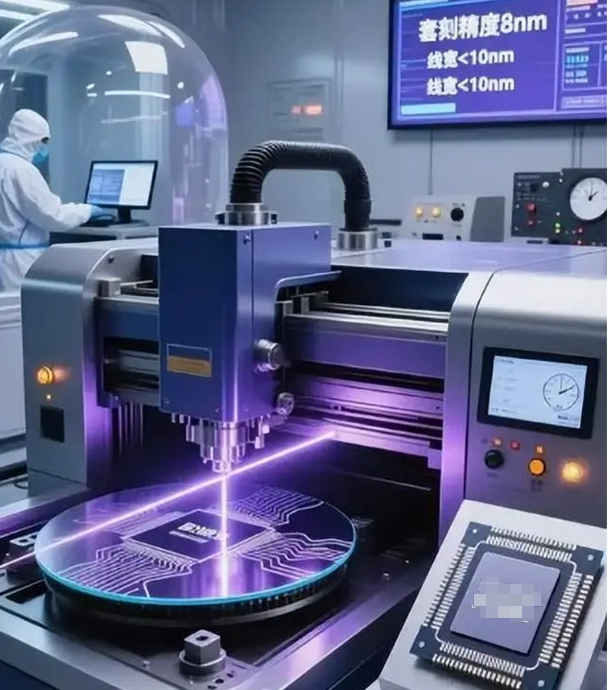
When you’re packaging smart sensors, “almost clean” doesn’t cut it. You need zero contamination. Period. The problem is that most heating elements are a nightmare in a Class 100 environment. They shed particles. They leak volatile organic compounds (VOCs). Basically, they’re just dropping invisible trash all over your work. That’s why we stick with high-purity synthetic quartz infrared lamps. They just don’t do that.
Why the Quartz Matters
Here’s the thing: not all quartz is created equal. Cheap glass or low-grade quartz tends to “outgas” when things get hot. You can’t see it happening, but that gas settles on your sensor wafers as microscopic residue. It’s a silent killer for your yield. We use fused silica quartz with a tiny impurity profile. It stays chemically inert, even when you’re pushing it to the limit. No breakdown. No residue. Just heat.
No Glue, No Mess
We also stripped out all the organic binders and adhesives from the assembly. The whole lamp is a sealed system. Because we use a high-purity quartz envelope, nothing flakes off as the material expands and contracts during heating cycles. It’s a clean heat source. No dust, no soot, and no weird chemical drift. It just works.
The Practical Stuff (And the Gotchas)
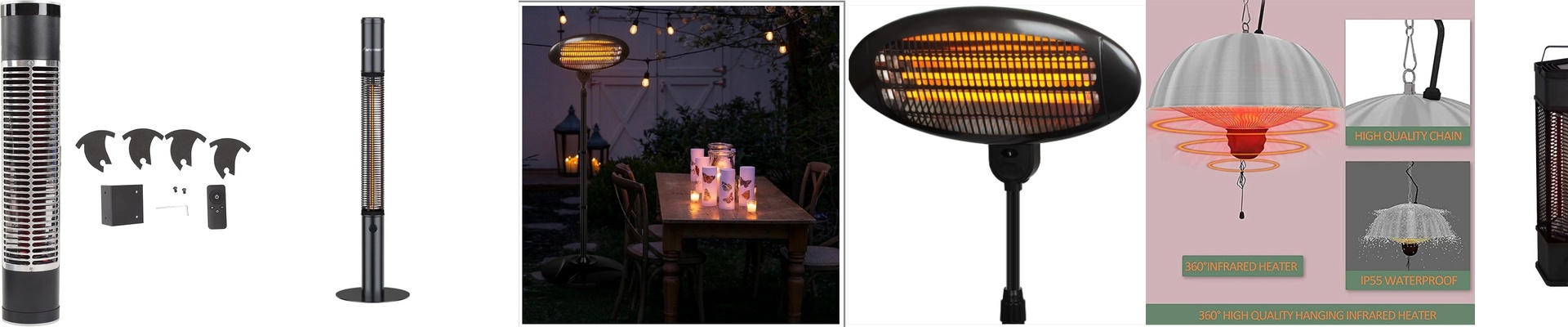
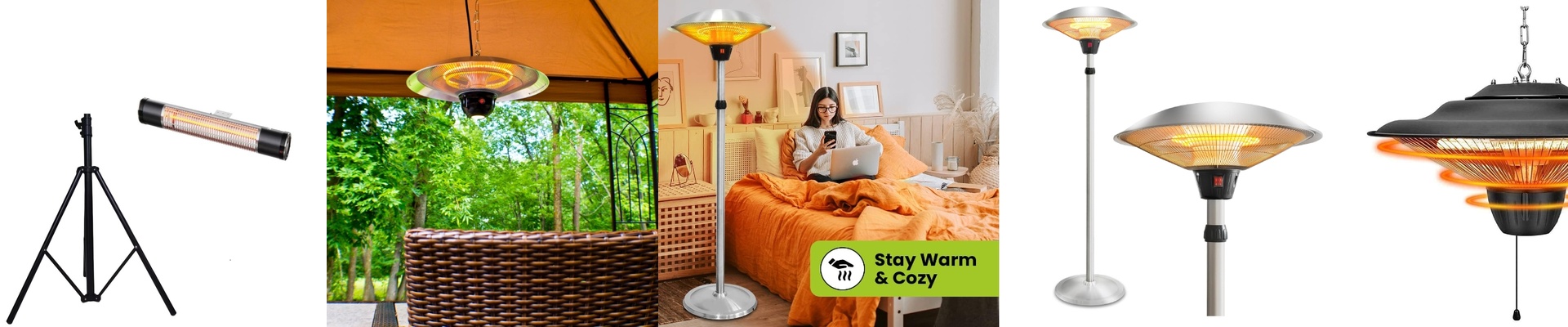
These lamps hit hard and fast with short-wave IR energy, which is great for rapid curing and bonding. But that speed comes with a warning. You’ll want to be really careful with your PID tuning. If you overshoot your temperature setpoint, you risk thermal shock to the sensor packaging. And that’s a mistake you only make once. A couple of pro tips: Pair these with a high-grade reflective housing. It pushes the energy exactly where you need it and keeps the rest of the room from heating up. Also, make sure your cooling system can handle the waste heat from the housing. If the air gets too turbulent, you might accidentally kick up particles from the floor, which defeats the whole purpose of being in a cleanroom.