Getting Your Heat Right in a Smart Fab
If you’re building a Smart Fab for Industry 4.0, you’ve probably realized that the old way of handling heat just doesn’t cut it anymore. Those traditional resistive heaters? They’re too sluggish. When your whole production line is digitized and moving at lightning speed, you can’t afford to sit around waiting for a chamber to warm up. That’s why we lean on vacuum-compatible infrared (IR) systems. They’re basically the “instant-on” switch for thermal control.
The reality of heating in a vacuum
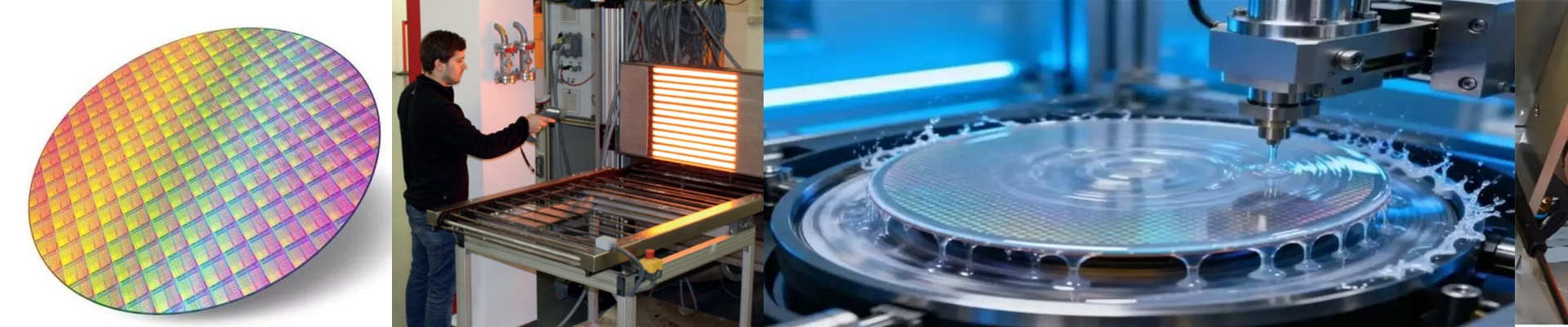
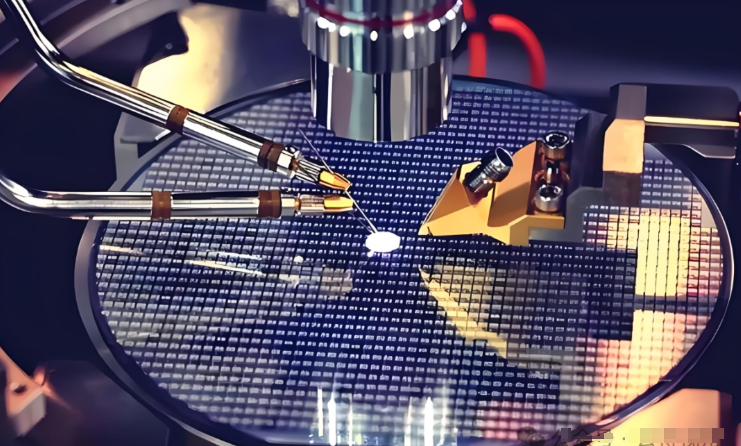
Here’s the thing about vacuum chambers: you lose convection. There’s no air to move the heat around. You’re left with radiation, which is where IR really shines. Instead of trying to warm up the entire environment, IR emitters send photons straight to the wafer or substrate. By using short-wave IR, we can focus that energy into a tight band. It means you hit your target temperature fast.**Really fast.**Plus, you aren’t wasting a ton of electricity just to heat up the chamber walls for no reason.
Making the data actually useful
A “Smart Fab” is just a fancy term if you aren’t actually using your data. We set these systems up to talk directly to PLC controllers through high-speed PID loops. This means you can tweak the power in real-time based on what the sensors are telling you. No more guessing if your thermal ramp is on track. When you plug this into a central hub, you can see exactly how much energy every single wafer is using. Suddenly, heating isn’t just a utility bill—it’s a metric you can actually optimize.
The trade-offs (because nothing is perfect)
Now, there is a catch. High-density IR arrays pull a lot of power. If your electrical panels aren’t built for those peak current spikes, you’re going to be tripping breakers right in the middle of a rapid ramp-up. Not a great feeling. You also have to keep an eye on the emitters. They work hard, and they eventually wear out. I always suggest a strict swap-out schedule. It’s a lot cheaper to replace a part on a Tuesday afternoon than to have a burnout scrap an entire batch of wafers at 3 AM.
Why this actually matters
At the end of the day, digital production is all about being agile. With IR, you can change your entire temperature profile with a few clicks in the software. No mechanical tinkering, no downtime. You get a smaller heating footprint and your cycles finish faster. It just makes the whole workflow feel smoother.