Stoping the Shrapnel: Keeping Your MEMS Wafers Clean
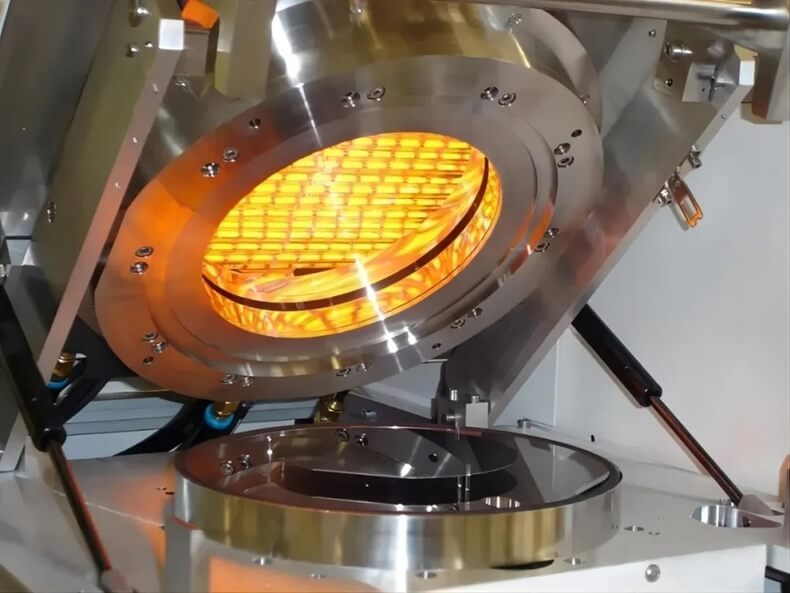
In a MEMS fab, a burst infrared lamp is more than just a nuisance. It’s a nightmare. Imagine a quartz tube failing under a heavy load. It doesn’t just stop working; it basically explodes, showering your wafer surface with tiny glass shards and metallic bits. Just like that, your yield disappears. We design our IR drying heaters specifically to make sure that never happens. Why tubes actually pop Usually, it comes down to thermal stress or a bit of electrical arcing right at the pinch seal. When you’re pushing production to the limit, these tubes take a real beating. To fight this, we use high-purity synthetic quartz. It has a very low coefficient of thermal expansion, which is a fancy way of saying it can handle the shock of rapid heating and cooling without snapping. It’s built to take the hit. Keeping the mess contained If a lamp does go, you don’t want the debris hitting your wafers. That’s why we use a dual-layer safety setup. We put a specialized quartz sleeve or a protective shield between the heating element and the wafer. It acts like a barrier. If a lamp burns out, the “shrapnel” stays trapped inside the sleeve. Your wafers stay clean. Plus, we’re obsessive about the connectors. If a terminal isn’t seated perfectly, you get hot spots that eat away at the quartz. We use precision-fit mounts so the electrical load spreads out evenly across the filament. No hot spots, no weak points. The balancing act Here’s the thing: high-density IR heat is the only way to dry these wafers quickly. But you can’t just crank the power forever. The more wattage you cram into every centimeter, the more stress you put on the glass. It’s a trade-off. To keep the lamps from burning out early, your cooling airflow has to perfectly match the lamp’s output. If the housing gets too hot, the lamp’s lifespan plummets. We build these for 24/7 environments. The goal is simple: keep the heat cranking and the particles at zero.