Keeping the Spark Where It Belongs: Dielectric Integrity in Heater Thermocouples
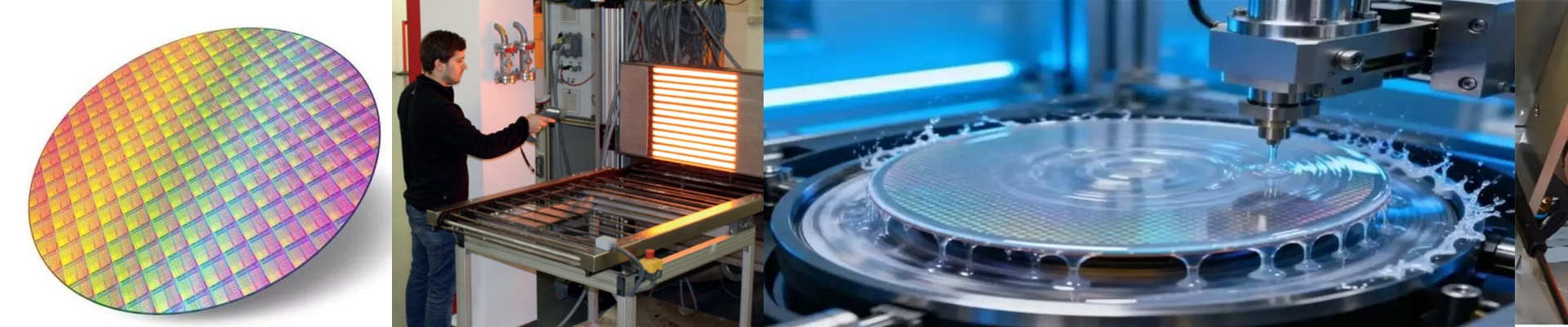
When you’re dealing with semiconductor heating, “close enough” doesn’t cut it. You need pinpoint precision. We use specialized thermocouples to keep an eye on those temperatures, but here’s the real headache: electrical isolation. In a high-voltage setup, you can’t have current wandering where it shouldn’t. A little bit of leakage through a sensor can scrap a whole wafer or trip your entire system in a heartbeat. It’s a nightmare you just don’t want.
Why we test every single one
We don’t do “sample checks” here. That’s too risky. Instead, every single thermocouple goes through a brutal voltage withstand and insulation resistance test before it even thinks about leaving our floor. Why? Because a microscopic pinhole in the insulation or one messy weld is all it takes. If a sensor fails in the field, it basically becomes a bridge, letting current leak right into the heater chassis. You’ll see signal noise and your PID control will start acting erratic. By pushing the insulation to its absolute limit during QC, we make sure your sensor won’t burn out or short-circuit the moment you wire it up.
The balancing act: Materials vs. Speed
To survive a semiconductor environment, we lean on high-purity alumina or special ceramic beads. They’re great at blocking electricity. But there’s a catch. If we make the insulation too thick for the sake of “extra safety,” the sensor gets sluggish. It takes longer to feel the temperature change. We spend a lot of time finding that sweet spot—wall thickness that keeps the dielectric strength rock solid but lets the sensor react fast.
A quick tip for the field
Once these are in your heater, they have to survive constant thermal cycling—expanding and contracting over and over. We build them to handle that stress. Just a word of caution:don’t over-tighten the mounting bracket. If you crank it down too hard, you might crack the ceramic sheath. You might not see it happen, but once that seal is gone, the insulation drops. You’ll likely find out the hard way during your next maintenance check when the sensor fails.