Stop Worrying About Lamp Bursts in Your Wafer Process
In a high-volume semiconductor setup, a burst infrared lamp isn’t just a “down-time” problem. It’s a nightmare. When a quartz tube goes, it doesn’t just stop working. It sprays shards and particulates all over your wafers. One bad lamp can wreck an entire batch. We figured out a better way to handle this: we wrap the IR lamps in custom stainless steel housings.
Keeping the Mess Contained
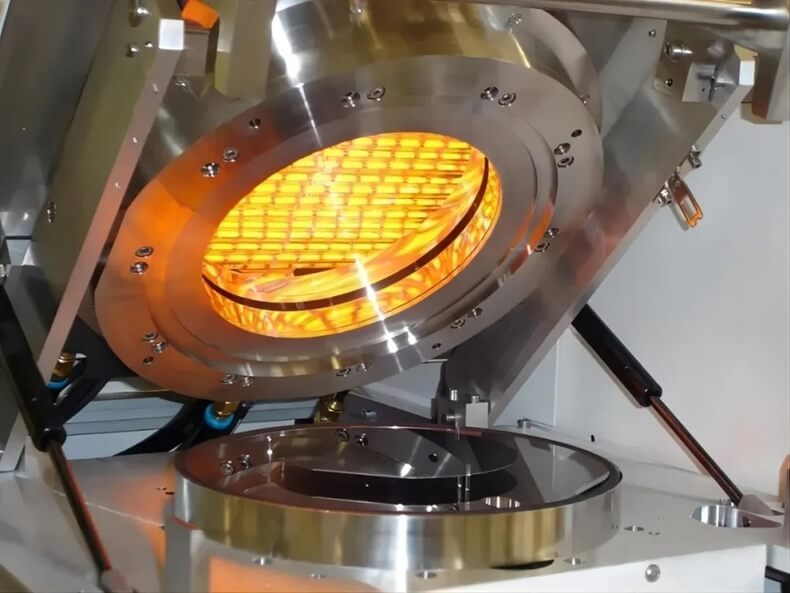
Think of the housing as a bodyguard for your workpiece. We use high-grade stainless steel to build a physical wall between the heating element and the wafer. If a lamp shatters under thermal stress, the housing catches everything. The debris stays put. No shards migrating into the processing zone, no ruined wafers, and way less stress for your team. We spent a lot of time getting the wall thickness just right. If it’s too thick, you’ve got too much thermal mass. Too thin? The housing starts to vibrate, and that actually makes the lamps fail faster. It’s a delicate balance, but it works.
Stability Matters
We also focused on the supports. If a lamp sags, you get hot spots. Hot spots lead to ruptures. Simple as that. To fix this, we use precision-machined supports and heat-resistant clips. Here’s the trick: the clips hold the lamps steady but still let them expand lengthwise as they heat up. If you lock them in too tight, they’ll just snap the moment you ramp up the power.
The Trade-off
Now, nothing is perfect. Adding a housing means there’s a layer of metal between the heat source and the wafer. You’ll notice a bit of thermal lag compared to an open-lamp setup. You’ll probably need to tweak your PID tuning or bump up the power a bit to keep your ramp rates where they need to be. The good news? We designed these to be drop-in replacements. You can swap them into your existing arrays without having to tear apart your entire chassis. It’s a quick way to get a lot more peace of mind.