Keeping Things Safe When You’re Heating Volatile Chemicals
If you’re running a semiconductor fab, you know the drill. The cleaning stages are a minefield of flammable solvents and volatile reagents. In an environment like that, throwing in a standard infrared (IR) lamp is basically asking for a fire. It’s a huge risk. So, we do things differently. We wrap the heating element in a specialized shell to keep it completely away from the air around it.
The problem with “naked” heat
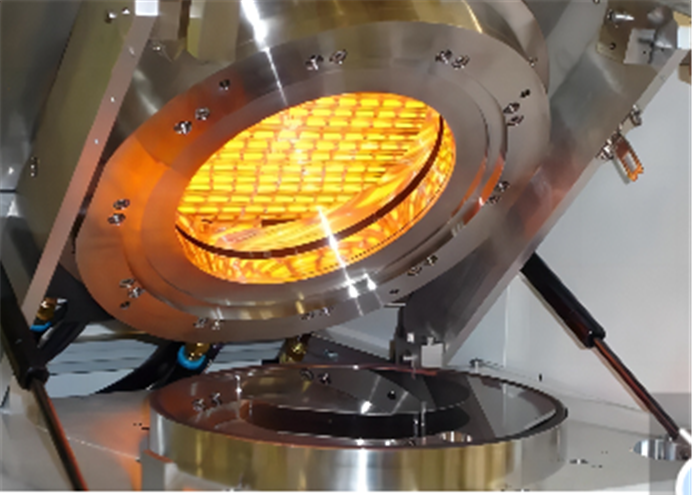
Here’s the thing: standard quartz tubes get incredibly hot on the surface. When you’ve got a room full of flammable vapors, all it takes is one spark or one scorching surface to start a disaster. To stop that from happening, we use an explosion-proof housing. We usually mix borosilicate glass with reinforced stainless steel to build a solid wall between the heat and the chemicals. This way, the heat moves via radiation. The volatile stuff never actually touches the energized filament. It’s a simple physical barrier, but it’s the only way to sleep soundly at night.
Getting the seal right
We don’t take any chances with the seals. We use hermetic seals, high-temp gaskets, and specific potting compounds where the wires lead in. Why? Because if a seal fails, that lamp becomes a liability. By keeping the inside of the lamp inert, we stop the tungsten filament from oxidizing. Plus, it keeps those nasty external vapors from leaking into the electrical housing. One tricky bit is the thermal expansion. The outer case and the inner lamp don’t grow at the same rate when they heat up. If you don’t leave enough room for that movement, the glass will just crack during rapid cycling. We build in those tolerances so the hardware can breathe.
The trade-offs
The upside is stability. These units are rock solid. They don’t flicker or drift, even during those grueling long runs on the fab line. But, there is a catch: heat soak. Because we’ve added that protective housing, there’s more mass to heat up. This means it takes a bit longer to ramp up than a bare tube would. You’ll probably need to tweak your PID settings to handle that lag. If you don’t, you might find yourself overshooting your target temperature.