Why we’re finally moving to UHP Infrared Curing
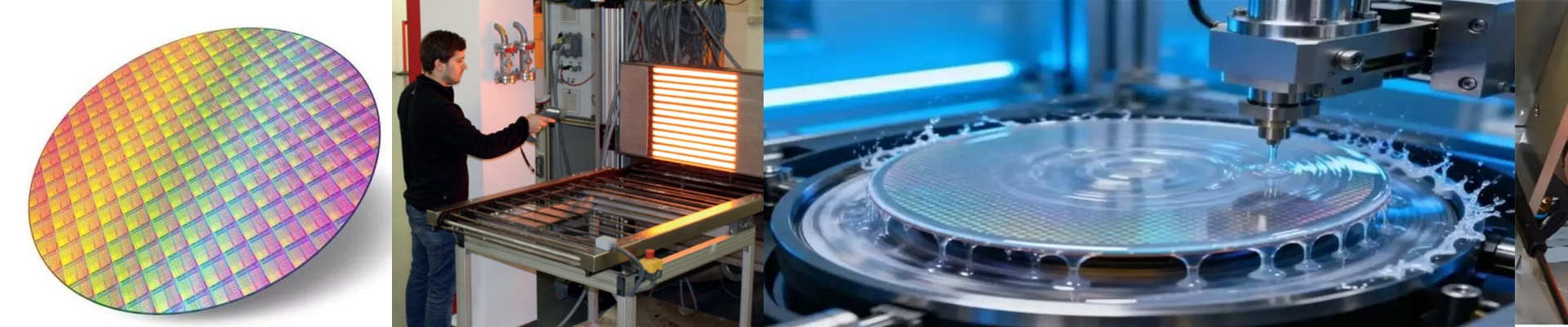
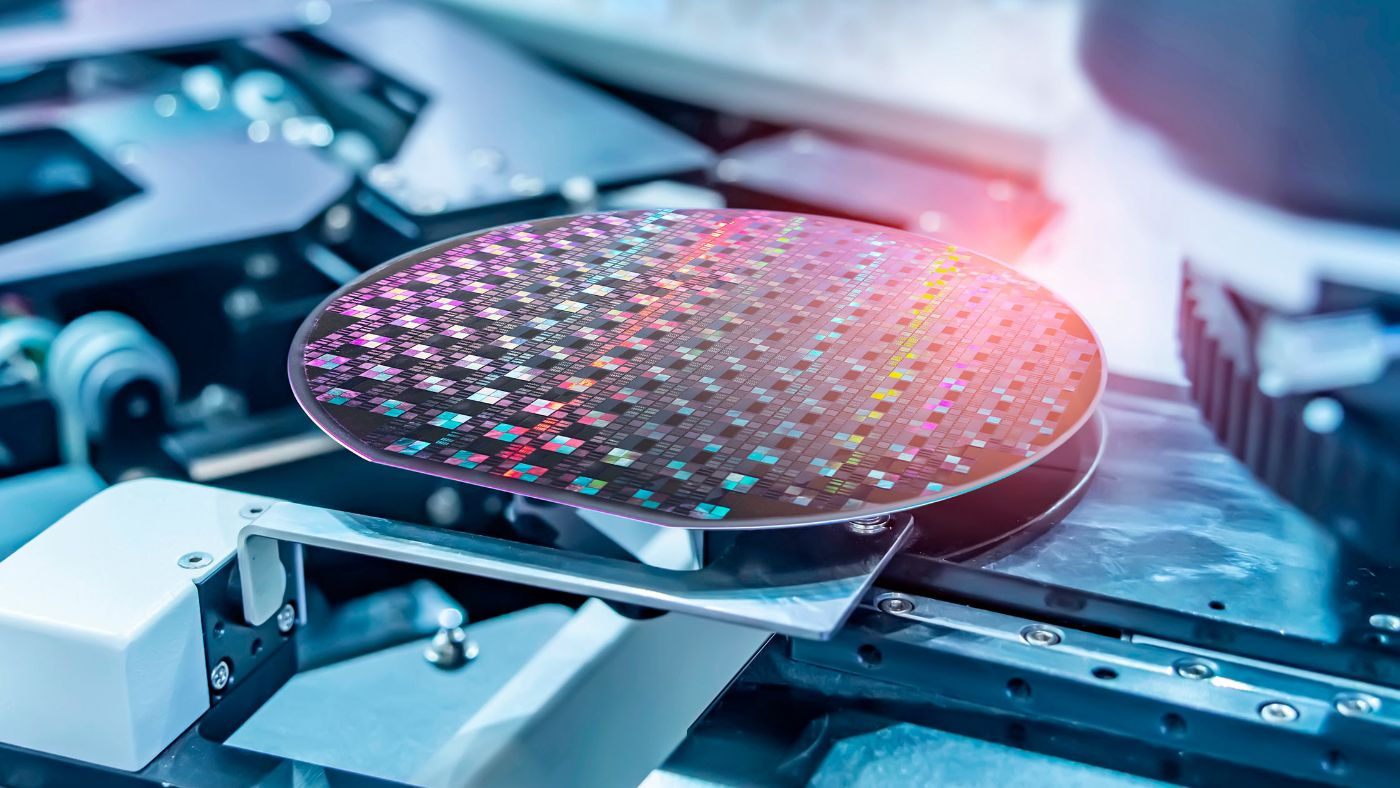
Let’s be honest: the old way of drying and curing semiconductors is a bit of a mess. Between the clunky convection ovens and the nasty chemicals, it’s just not how things should be done anymore. We’re seeing a big move toward Ultra High Purity (UHP) infrared lamps. Why? Because they’re cleaner, faster, and they actually play nice with the environment without slowing down the line. Stop heating the air Think about a convection oven. It spends half its time heating up the air and the walls of the machine before the wafer even feels it. It’s a waste. UHP infrared lamps work differently. They use shortwave radiation to send energy straight into the substrate. No middleman. No wasted kilowatts. Plus, you can ditch those solvent-based carriers that leak VOCs everywhere. It makes passing those strict environmental audits a whole lot less stressful. Keeping it clean In a cleanroom, the smallest bit of outgassing can ruin your day. That’s why we use high-purity synthetic quartz tubes. They keep metallic impurities far away from your wafers. The best part? The speed. You can hit your curing temps in seconds. You aren’t soaking the wafer in heat for ages, which means those thin substrates won’t warp. It’s a relief. The trade-off Now, it’s not all magic. These lamps pack a massive punch of heat density. That’s great for a fast cure, but it puts a lot of pressure on your power supply and cooling manifolds. If your cooling system isn’t up to the task, the housing will bleed heat and you’ll drift right out of your thermal window. You have to make sure your infrastructure can actually handle the power. Making the switch If you’re still using old resistive heaters, these lamps are basically drop-in replacements. It’s a night-and-day difference. Drying times go from minutes to seconds. Your machines take up less space, your electricity bills drop, and you’re finally hitting those green standards without having to fight your own equipment to do it.