
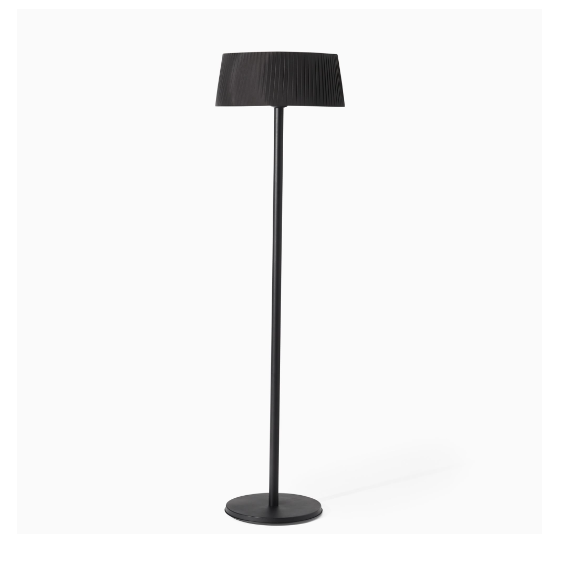
Stop Shivering in the Changing Room
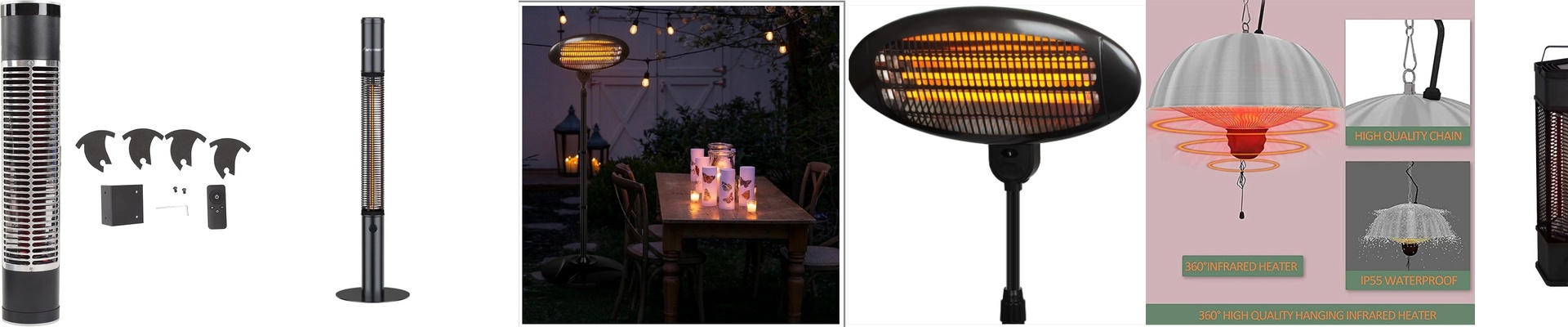
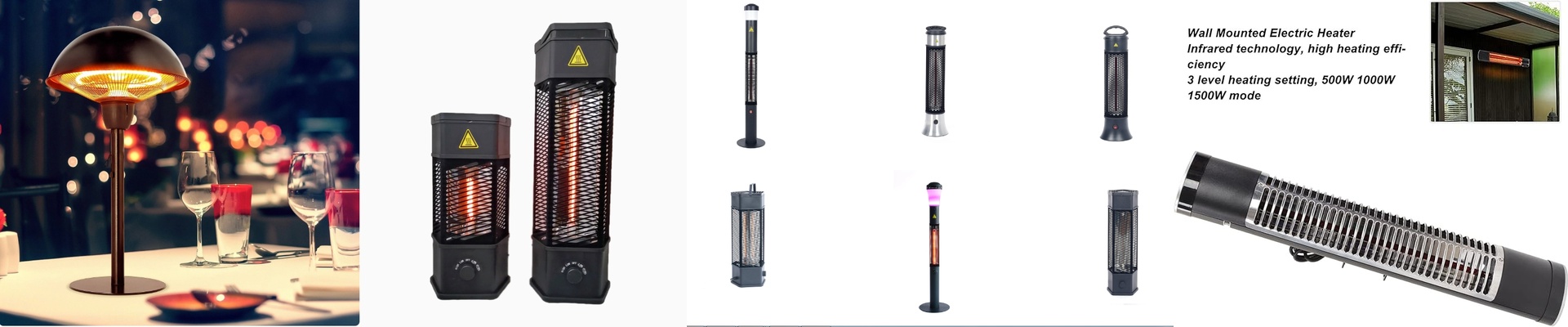
Nobody likes that bone-chilling feeling of stepping out of a warm shower or a wetsuit into a freezing outdoor changing area. It sucks. If you try to fix this with a standard space heater, you’re just fighting a losing battle against the wind. You can’t warm up the outdoors. That’s why we use shortwave infrared. Instead of trying to heat the air, these units go straight for the target. They send out waves that warm up people and objects directly. It’s the same feeling you get when you step into the sun on a cold winter morning.
Heat That Happens Now
The best part? There’s no “warm-up” period. The second you step into the beam, you feel it. It’s instant. For high-traffic spots—like luxury changing rooms where guests don’t want to wait around shivering—this is the only way to go. You aren’t waiting for a room to reach a certain temperature; you’re just warm. Period.
Built for the Elements
Outdoor gear takes a beating. Salt air, rain, and dust can chew through electronics in a heartbeat. We build these to IP65 standards, which is just a fancy way of saying they’re sealed tight. Dust can’t get in, and if you hit them with a water jet, they won’t blink. We use corrosion-resistant alloys and heavy-duty gaskets to keep the moisture away from the wiring. If you’re installing these near the ocean or in a humid climate, you won’t have to worry about the internals rotting out or short-circuiting after one season.
A Few Tips for Setup
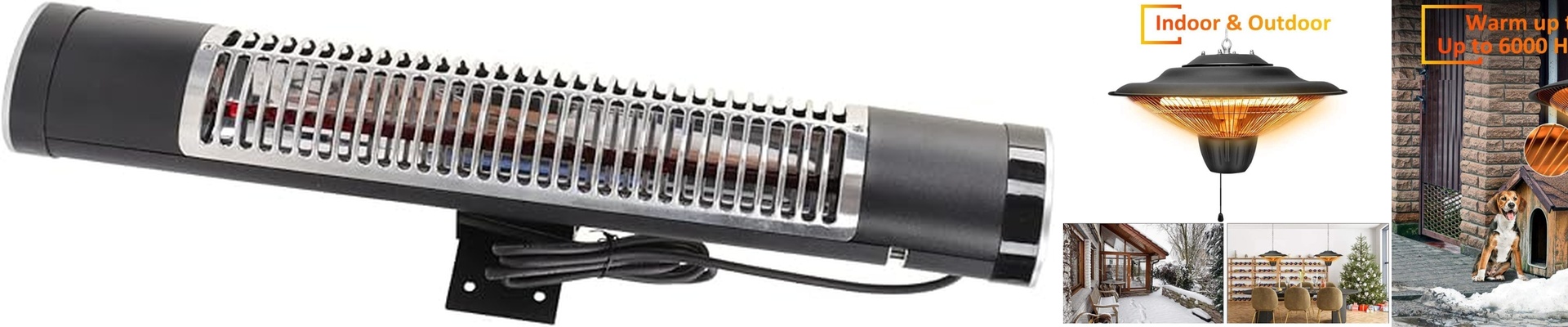
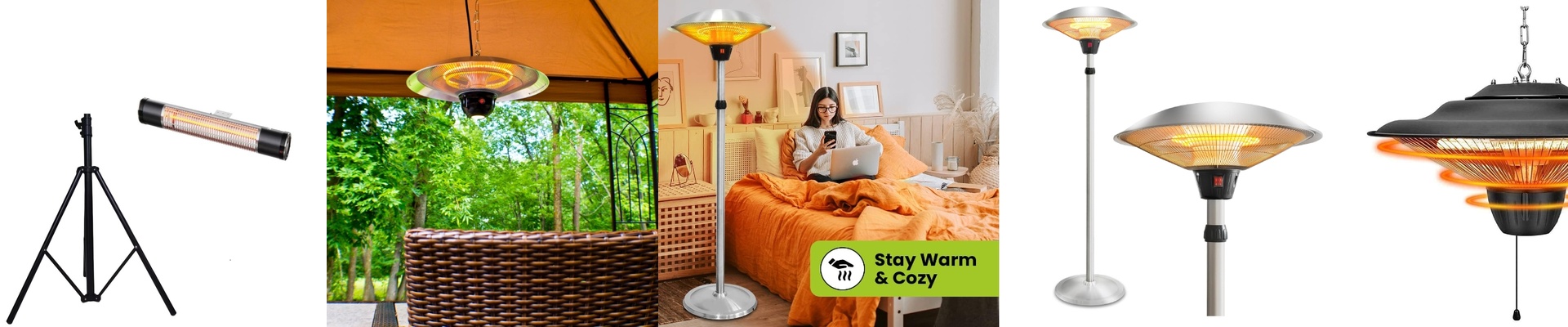
When it comes to installation, mounting them overhead is usually the way to go. It gives you the best coverage. But a word of caution: these things put out a lot of heat. You’ll want to make sure your wiring and breakers can handle the initial surge of power. Also, don’t crowd too many lamps into one tiny spot, or you might actually scorch your ceiling. I always suggest doing a quick bit of math on your ceiling height and how windy the area is before you buy. It saves you from wasting power and money. And for heaven’s sake, don’t leave them running 24/7. Hook them up to a motion sensor or a timer. Your electric bill will thank you, and the lamps will last a whole lot longer.