Keeping Your Class 100 Cleanroom Actually Clean
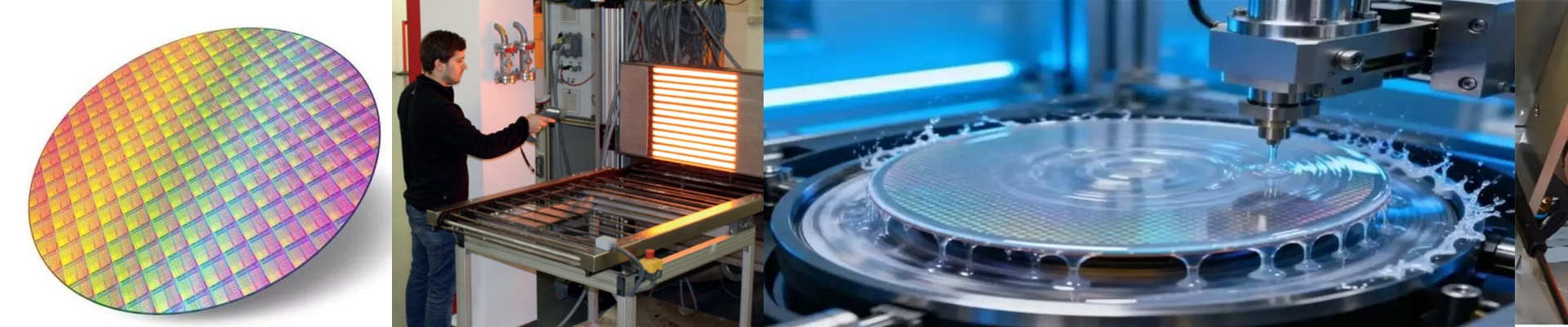
When you’re running a Class 100 cleanroom, one tiny flake of dust or a weird puff of gas during wafer heating isn’t just a nuisance—it’s a disaster. Most standard heating elements just can’t handle it. They expand and contract as they heat up, and that constant movement eventually sheds micro-particles. It’s a nightmare for your yield. We handle this by using high-purity synthetic quartz for our IR lamps. Why the quartz matters We stick with fused silica that has almost zero impurities. This stops that annoying “dusting” effect you see with the cheap stuff. These lamps use short-wave IR radiation. Instead of heating up all the air around the wafer, the energy goes straight to the surface. That’s huge because it cuts down on those convection currents that normally kick up floor dust and send it floating right onto your work. Plus, the quartz is chemically inert. It just sits there. It won’t react with the trace gases in your chamber, so your wafer stays exactly how it should be. The nitty-gritty on the design If you’re doing thin-film deposition or curing, you know that precision is everything. We build these lamps to keep the heat incredibly uniform across the whole wafer. Depending on what you need, you can go with clear quartz to let as much IR through as possible, or we can add specific coatings to tune the wavelength. We also use gold-plated or high-nickel electrodes to stop oxidation at the seal. Here’s the thing: if that seal fails, the halogen gas leaks out and your filament burns out in a heartbeat. We keep those tolerances tight so you can just pop a new lamp in without having to spend your whole afternoon recalibrating your jig. A few things to watch out for Now, these high-intensity lamps put out a massive amount of heat. While your wafer gets exactly what it needs, your lamp housing is going to take a beating. You’ve got to get your cooling manifold right. If your airflow is too weak, the heat soak will actually warp your mounting brackets. It’s a mess. To avoid that, we usually suggest a dedicated chilled-water jacket or some high-velocity forced air. Keep the parts that aren’t supposed to be hot, cool. Simple as that.