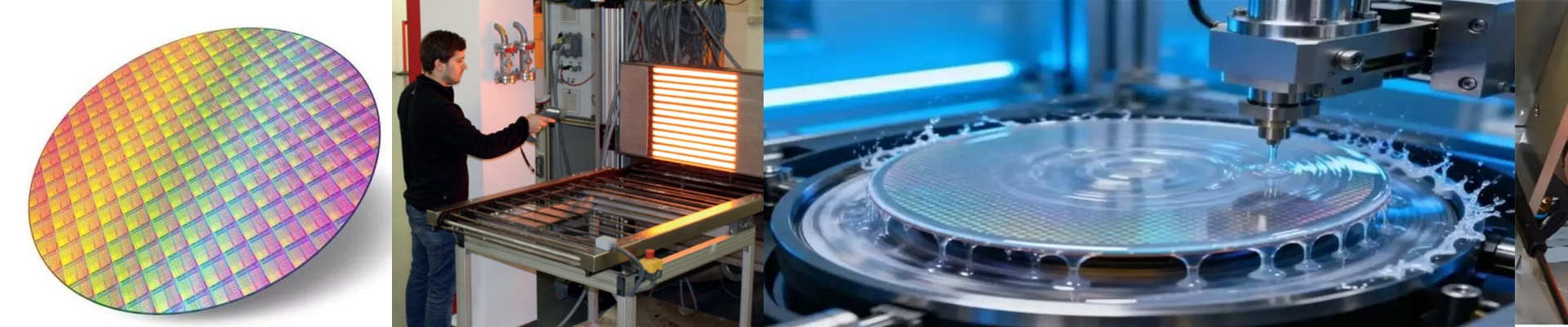
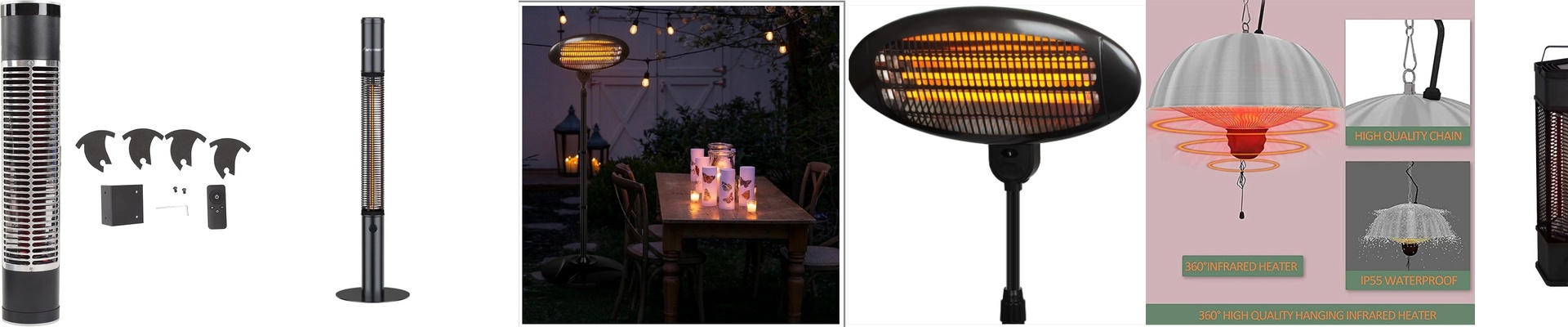
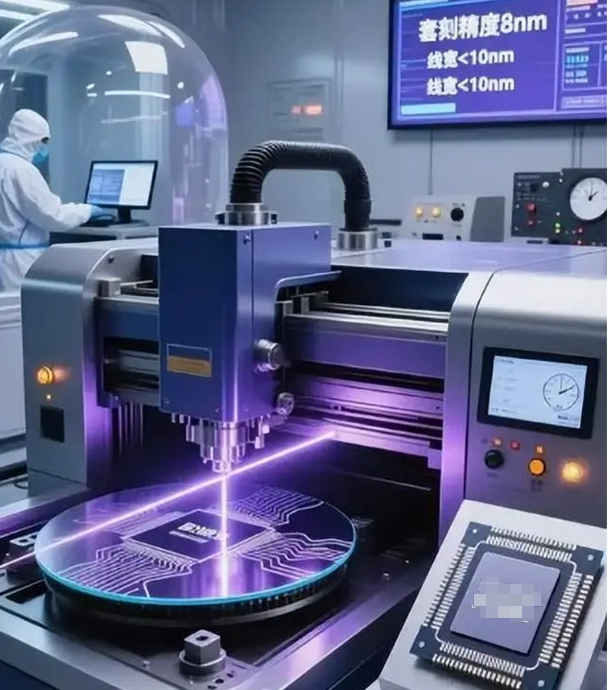
Stop Heating Your Machine (And Start Heating Your Wafer)
When you’re setting up a wafer heating station, you want the energy hitting the silicon. Period. You don’t want it soaking into the chassis. The problem is that standard infrared lamps are messy. They throw heat in every single direction. In a cramped semiconductor tool, that wasted energy just bounces off the inner walls. Before you know it, your equipment casing has turned into a giant heat sink. That’s a recipe for warped components or, worse, an operator getting burned. Getting the heat where it actually belongs We handle this by using directional infrared tech. Instead of just sticking in a bare quartz tube and hoping for the best, we use specific reflectors and coatings to steer those IR waves. Think of it like switching from a lightbulb to a flashlight. By narrowing the beam, we push the energy straight onto the wafer surface. It stops the “stray” radiation from leaking everywhere and hitting the chamber walls. The thermal footprint stays tight. The energy goes where it’s supposed to. The balancing act: Distance and Safety Where you mount the lamp matters a lot. If it’s too close? You’ll get hot spots and uneven heating across the wafer. Too far? You lose the punch you need for a fast ramp-up. We spend a lot of time calibrating these distances. The goal is to keep the inner walls cool enough to touch. Because the lamps are directional, you don’t have to slap massive, heavy cooling jackets on the entire tool frame just to keep things from melting. The catch Now, this isn’t some magic fix. When you concentrate a beam, you’re cranking up the heat density at the focal point. You’ve got to make sure your PID controllers are tuned just right, or you’ll overshoot your target temperature. And here’s the real kicker:keep your optics clean. If dust or process chemicals get on those reflectors, the beam scatters. Suddenly, you’re right back to square one with an overheating machine. Keep them spotless, or your safety margins will disappear pretty quickly.