Why we’re ditching the big ovens for IR curing
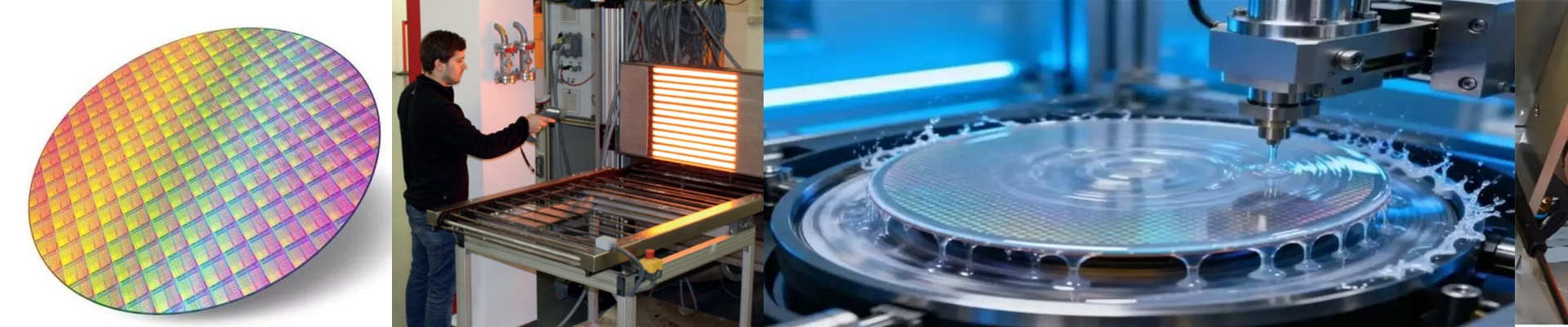
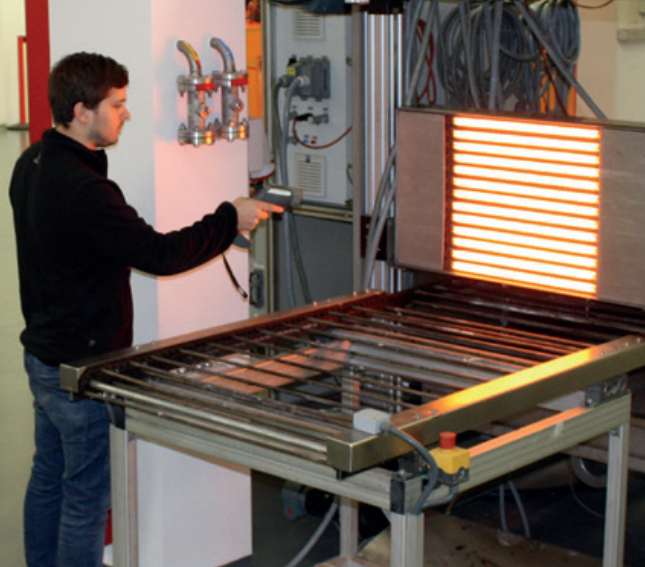
The semiconductor world is finally moving away from those old-school convection ovens. It’s mostly because we’re all trying to hit these “lead-free” and green energy targets, but the real reason is simpler: the old way is just inefficient. Think about a standard oven. You have to heat up the air, then the walls, and then the air finally heats your substrate. It’s a lot of wasted effort. Infrared (IR) curing just skips all that. It shoots energy directly into the material. No middleman. No waiting for the air to get hot. Saving energy (and space) Here is the best part: IR targets the specific parts of the coating or adhesive that actually need the heat. By using short-wave or medium-wave emitters, we can trigger a thermal reaction almost instantly. We’re talking about shrinking a curing cycle from hours down to seconds. When your process is that fast, you don’t need a massive machine taking up half your floor space. Plus, your electricity bill takes a hit because you aren’t spending hours heating a giant metal box. The lead-free headache Switching to lead-free solder isn’t exactly a walk in the park. These materials are pickier. They need higher temperatures and much tighter control. If you go too hot? Your substrate warps. Too cold? You end up with “cold joints” and a lot of wasted parts. With IR, we can just tweak the power supply to hit that exact peak temperature. It’s a surgical strike instead of a blanket of heat. You get exactly what the material needs without baking the rest of the equipment. The catch: Managing the heat Now, it’s not all magic. IR is incredibly intense. You can’t just slap some lamps into an old oven and call it a day. Because the heat is so concentrated, you have to be smart about cooling. If your airflow is weak, you’ll get hotspots that can ruin your work. I always suggest using precise pyrometers. They feed temperature data back to the controller in real-time, which keeps everything stable and stops your components from burning out. It’s all about that feedback loop.