Stop Wasting Your Heat: Why Gold Reflectors Actually Matter
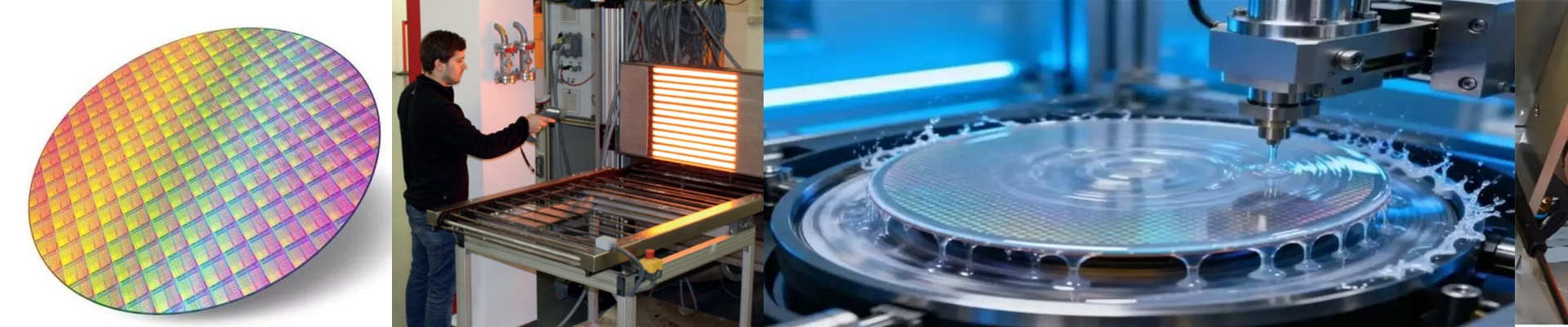
In wafer processing, every watt you waste is basically just throwing money away. Worse, that stray heat can mess with your chamber walls and create contamination risks you really don’t want. Most standard heaters are leaky. They bleed energy everywhere except where it actually needs to go. We figured out a better way: gold-coated reflectors. Instead of letting heat wander, we bounce it right back onto the wafer.
Why gold?
It’s not about looking fancy. It’s about physics. Gold is incredible at reflecting infrared light—way better than your typical aluminum or stainless steel. When we put a high-purity gold layer on the reflector, it catches those photons that would normally escape and shoves them back toward the target. The result? You get a much tighter heat footprint and your ramp-up times get a lot faster. It just works.
Dealing with heat and power
If you want a silicon wafer to hit a precise, uniform temperature, you need density. We keep the distance between the heat source and the substrate as short as possible. Because the energy is so focused, you can actually dial back the overall power draw but still hit your target surface temperature. But here’s the catch: you’ve got to keep an eye on your cooling. When you concentrate that much energy in one spot, the reflector housing takes a beating. If your cooling system can’t handle the load, your sensors will start to drift, and suddenly your precision is gone.
Keeping things running
We know downtime is the enemy, so we built these for quick swap-outs. The real secret to keeping them efficient, though, is cleanliness. Gold is great, but dust and oxidation are killers. If the surface gets dirty, you’ll start seeing hot spots on your wafer. Stick to a strict cleaning schedule. Use non-abrasive solvents—don’t scratch the coating. If that gold layer wears thin, your efficiency tank. You’ll find yourself cranking up the power just to compensate, which ends up burning through your lamps way faster than they should.