Cutting Carbon in the Fab: Why IR Drying Actually Works
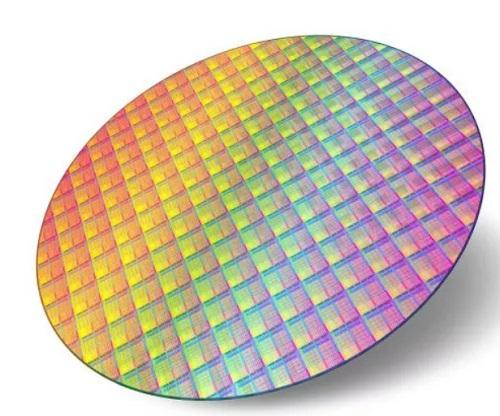
Let’s be honest about semiconductor fabs. The energy bills are staggering. One of the biggest culprits? The drying stage. For a long time, we’ve just leaned on old-school convection ovens, but if you’re trying to hit carbon neutral targets, those just aren’t cutting it anymore. This isn’t some corporate “green” initiative to make a brochure look good. It’s about the raw numbers—specifically, how many kilowatt-hours you’re burning per wafer.
The logic behind IR
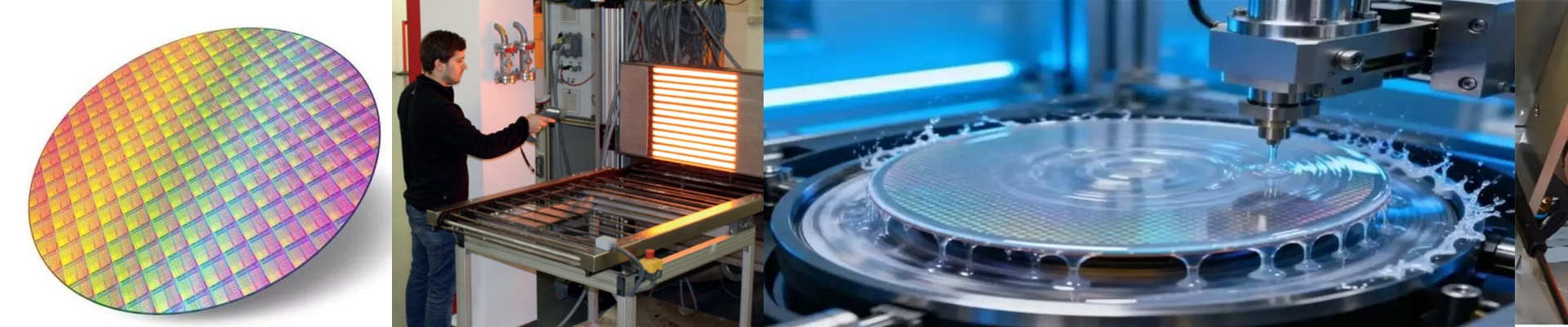
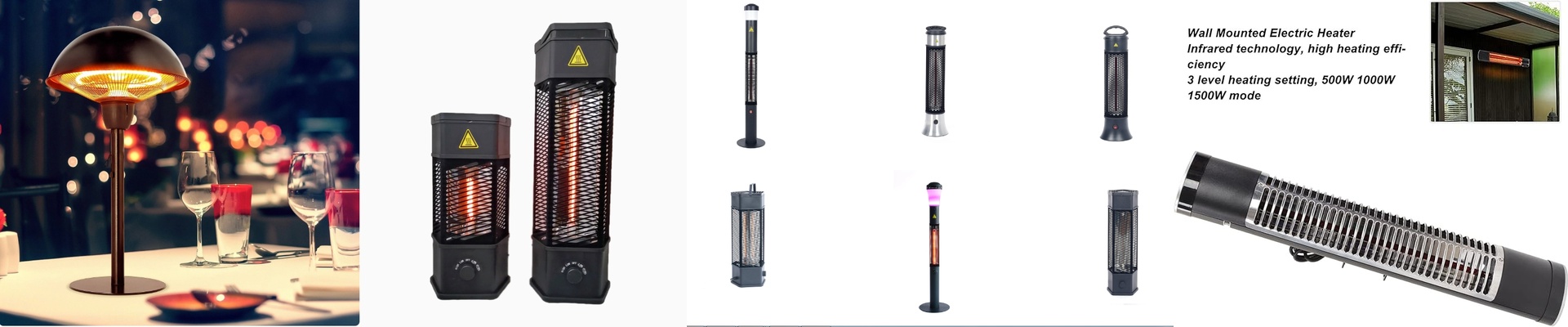
Here is the thing about forced-air drying: it’s incredibly wasteful. You’re spending a ton of energy heating up the entire volume of air inside a chamber just to dry a tiny surface. It’s like heating your whole house just to warm up a cup of coffee. Shortwave infrared (IR) flips that script. Instead of heating the air, the energy goes straight to the wafer surface. It’s radiation, not convection. When you make that switch, the numbers move fast. We usually see drying cycles drop by 40% to 60%. When your gear spends less time pulling power, your carbon footprint shrinks naturally. Simple as that.
Getting the setup right
To actually see those gains, you need the right wattage density. You want a system that hits its target temperature in seconds. That speed is the secret sauce—it lets you use pulsed power instead of leaving the heat on constant blast. But you have to be careful with the thermal load on your chassis. High-density IR lamps put out some serious heat. If your cooling fans or heat sinks aren’t up to the task, your temperature will start to drift. I always suggest using integrated PID controllers. They keep things steady and stop you from accidentally scorching your wafers.
The trade-offs
I won’t tell you it’s a magic button. IR is faster, sure, but it’s pickier. Alignment is everything. If your lamps are even slightly skewed, you’ll end up with cold spots across the wafer. You’ll probably spend more time on the initial calibration than you ever did with a convection oven. But once you’ve locked in the geometry? That’s when it pays off. You’ll see the total power draw of the fab drop, and your facility’s HVAC system won’t have to work nearly as hard to keep the room cool.