Heating Your Glovebox Without Blowing Things Up
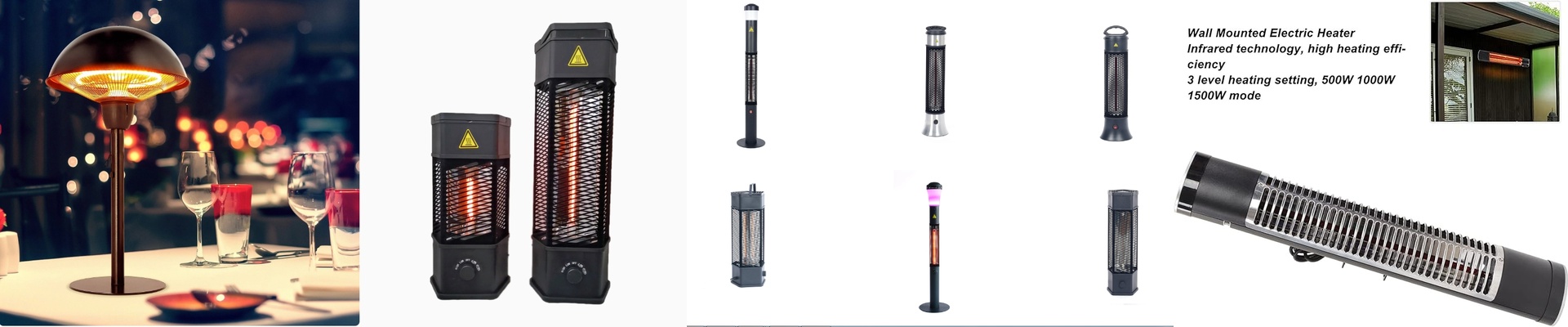
Let’s be honest: putting an infrared heater inside a glovebox full of flammable cleaning solvents is a nerve-wracking prospect. One tiny spark or a sudden spike in surface temperature and you’re looking at a flash fire. Standard quartz lamps are just too exposed for this kind of work. We figured out a better way. Instead of leaving the heating elements open to the air, we wrap them in a specialized encapsulation system.
How we keep it safe
Here’s the thing: we seal the infrared element inside a high-grade sleeve that doesn’t care about harsh chemicals. This creates a physical wall so those volatile vapors never actually touch the energized filament. We also use hermetic seals at the ends. No gaps, no leaks. But it’s not just about blocking the fumes. We also tuned the emissivity of the outer jacket. This keeps the lamp surface from ever getting hot enough to hit the auto-ignition point of your solvents. You get the heat you need without the panic.
The nitty-gritty on wiring
Working in a hazardous zone means you can’t just “plug and play.” We use reinforced insulation at every connection point to stop arcing before it starts. And a word of caution: if you’re dealing with high humidity or really aggressive chlorinated solvents, your seals have to be up to the task. We’ve seen standard seals just melt or degrade in those environments. That’s why we use fluoroelastomer O-rings for the tough builds. They actually hold up.
The trade-offs
Now, nothing is perfect. Adding that protective sleeve means there’s a bit more thermal resistance between the heater and your workpiece. You’ll notice it takes a second longer to heat up compared to a bare lamp. It’s a small price to pay for peace of mind, but you might want to bump up the wattage or tweak your PID settings to keep your temperature steady. Also, make sure your ventilation is dialed in. You don’t want the enclosure to turn into an oven because the displaced heat has nowhere to go.