Keeping Things Safe When Using Heat in Chemical Clean Rooms
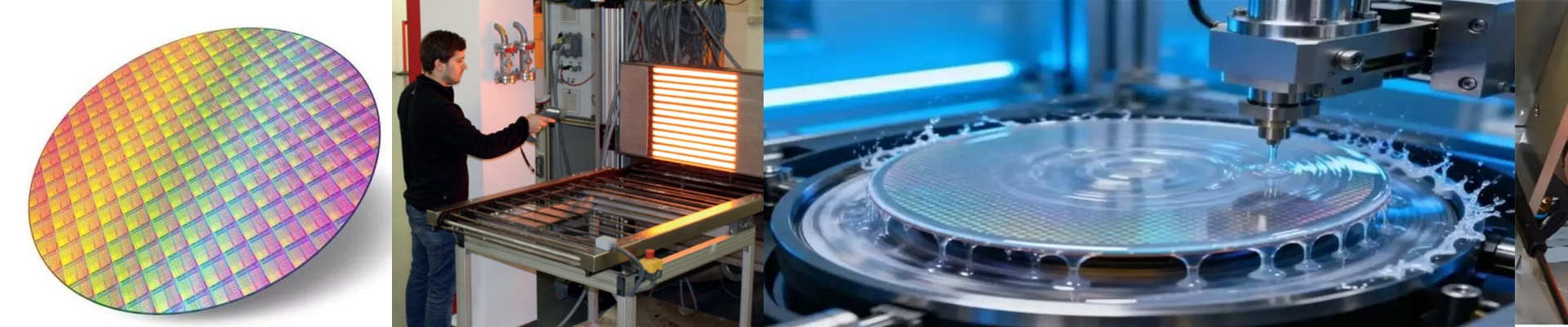
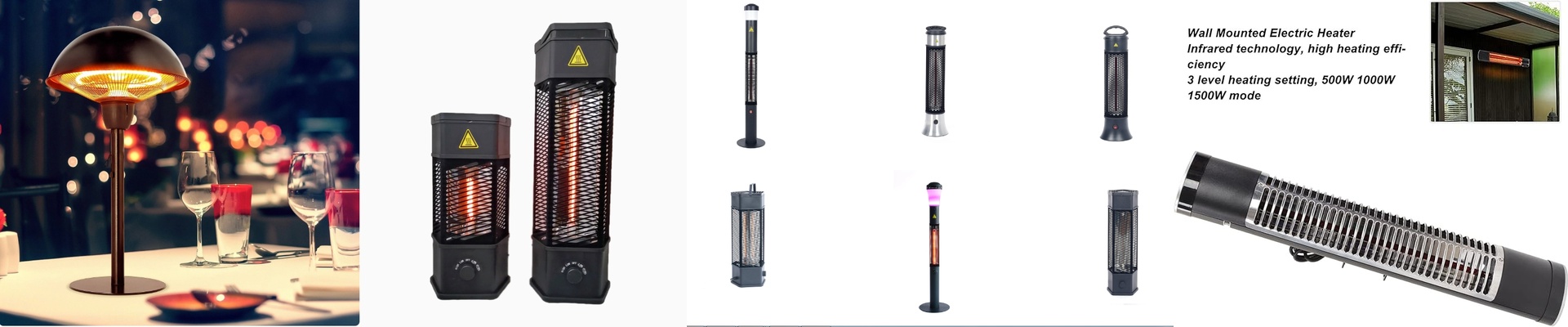
Let’s be honest: putting infrared lamps right above a chemical cleaning bench is a bit like playing with fire. You’ve got a high-heat source sitting in a room filled with flammable vapors. If you’re using a standard quartz tube, you’re basically waiting for something to go wrong. One tiny crack or a loose wire, and you’ve got a serious problem on your hands. That’s why we stopped using open-element designs. Instead, we seal everything up. The secret is in the seal. We wrap the infrared elements in a tough, heat-stable outer shell. Think of it as a protective cocoon. By locking the heating filament and the electrical connections away from the air, we make sure no stray sparks ever touch those solvent fumes. And since chemical scrubbing lines are usually full of nasty acidic or alkaline vapors, we use high-grade quartz or specialized glass that won’t corrode over time. It just holds up. Getting the heat right. The goal here is to get your parts up to temperature quickly without turning the entire bench into an oven. It’s a balancing act. If you cram too many watts into a tiny space, the mounting brackets can get way too hot. We focus on the wattage density so you get a steady flow of heat exactly where you need it, without risking a meltdown of the housing. A few things to keep in mind. Now, there’s a trade-off. Because we’ve added that protective layer, the heat doesn’t hit the part quite as instantly as it would with a bare tube. You might find you need to bump up the power a bit or move the lamps 10-20mm closer to your workpiece to get the results you’re looking for. One last tip: keep an eye on your ventilation. If vapors pool around the lamp housing, the extreme heat can eventually wear down the seals. Keep the air moving, and you’ll be set.