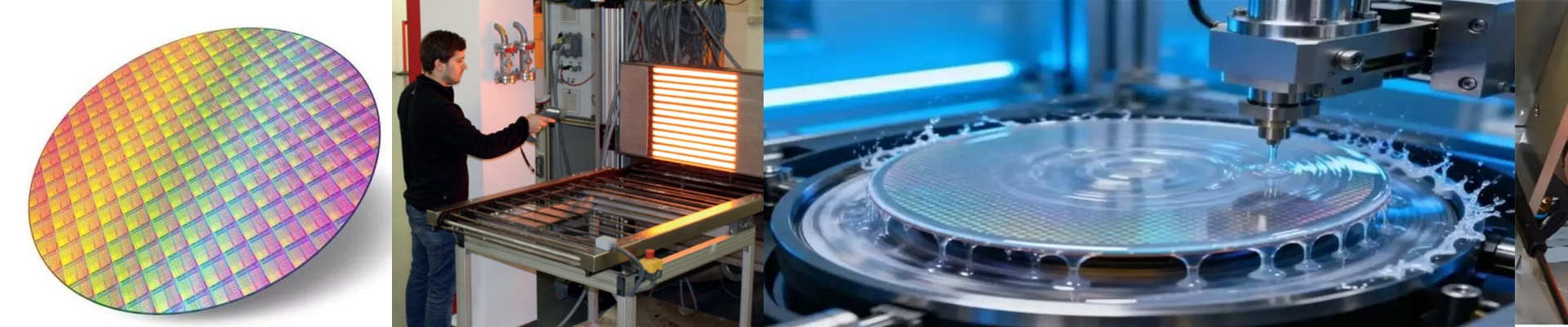
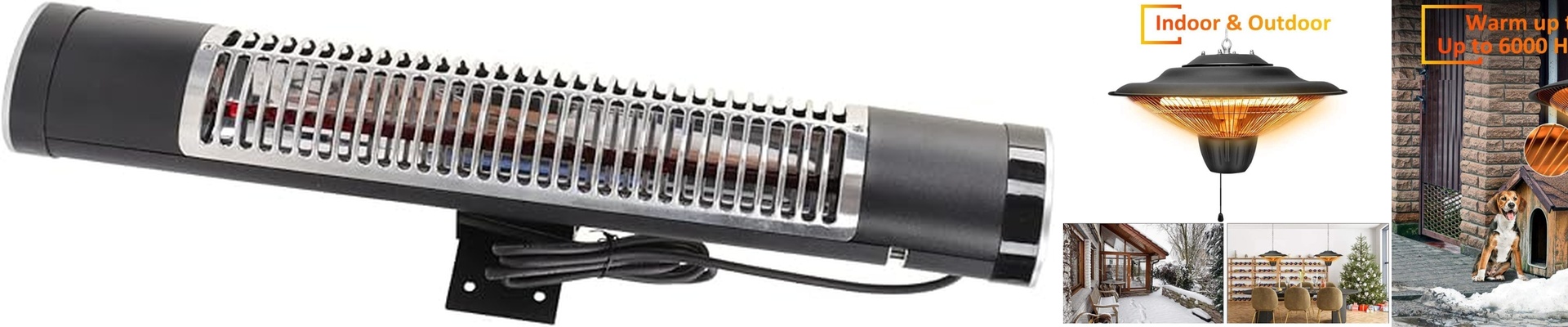
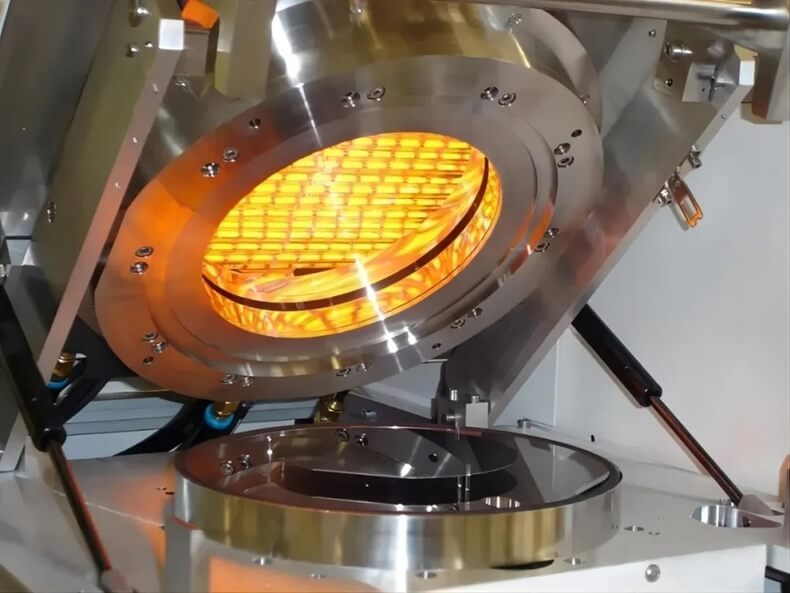
Making carbon nanotubes (CNTs) is a bit of a balancing act. You need precise heat, but you’re usually doing it right over chemical cleaning baths. That’s where things get sketchy. You’ve got flammable vapors floating around, and standard infrared lamps have exposed filaments and electrical contacts. One spark. One surface getting too hot. That’s all it takes to turn your lab into a fireball. To stop that from happening, we wrap the whole infrared assembly in a hermetic, explosion-proof housing. Think of it as a chemical-resistant shield. Instead of leaving the quartz envelope out in the open, we seal it tight. We use reinforced glass and heavy-duty sealants that don’t flinch when they hit caustic cleaning agents. It stops the “burn out” you usually see when corrosive mists eat away at your lamps. It’s also about keeping the heat where it belongs. We’ve designed these heaters to keep a steady temperature gradient across the CNT substrate. Because it’s shielded, the outer casing doesn’t turn into a giant heating element itself. You get the intense heat you need for fabrication, but the air around the equipment stays safe. Now, there is a trade-off. Since we’ve put a layer of material between the lamp and your target, you lose a little bit of that raw infrared punch. It’s not a dealbreaker, but you’ll notice a slight dip in radiant efficiency. When you’re wiring it up and setting your ramp-up times, just keep that in mind. If you’re chasing extreme temperatures, you might need to bump up the power a bit to make up for the encapsulation. It’s a simple switch that takes a high-stress environment and makes it feel controlled. Your team stays safe, and your gear doesn’t get chewed up by chemicals.