Stop Letting One Burnt-Out Tube Kill Your Productivity
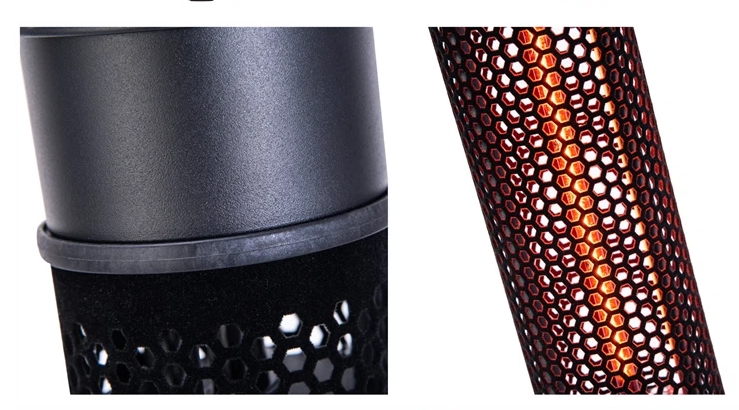
If you’ve ever managed an industrial heating array, you know the two things that keep you up at night: water getting where it shouldn’t and components just giving up the ghost. Now, getting an IPX5 rating is great. It means your gear can handle a blast from a water jet without blowing a fuse. But here’s the catch—usually, “waterproof” means the unit is basically a sealed tomb. When something breaks inside, you’re in for a bad time. The headache of the “Full Teardown” Most heaters are wired in a way that’s honestly a bit sadistic. One tube burns out, and suddenly you’re tearing down the entire system just to fix one small part. It’s a nightmare. We decided to do things differently with a modular setup. Instead of soldering everything into one giant, permanent junction box, we use plug-and-play modules. Think about it. Five years from now, a heating element fails. Instead of spending an entire afternoon rewiring the chassis and cursing your life choices, you just pull the dead module and pop in a new one. You’re back up and running in ten minutes.**Ten minutes.**That’s a huge win for your sanity. Waterproofing without the handcuffs Usually, keeping that IPX5 seal means relying on thick gaskets and permanent glues that you have to hack through to get inside. We swapped those out for compression-fit seals and industrial connectors. You still get the protection you need for wash-down environments, but you can actually get to your gear when you need to service it. There is a small trade-off, though. Because of those quick-release interfaces, the housings are a bit bulkier than the old-school integrated ones. But honestly? A little extra space is a fair price to pay for not having to rebuild your heater from scratch every time a part wears out. Keeping it real in the field Look, modular design is great, but it doesn’t cheat physics. High-wattage infrared modules get incredibly hot. Since we’ve added a housing to make them swappable, that heat can get trapped more easily than it would with a bare tube. Just make sure your ventilation is actually beefy enough to handle the load. We didn’t build this just to pass a test today. We built it so that when you’re looking at this machine in 2029, you aren’t dreading the maintenance.