Why we put our IP65 heaters through the wringer
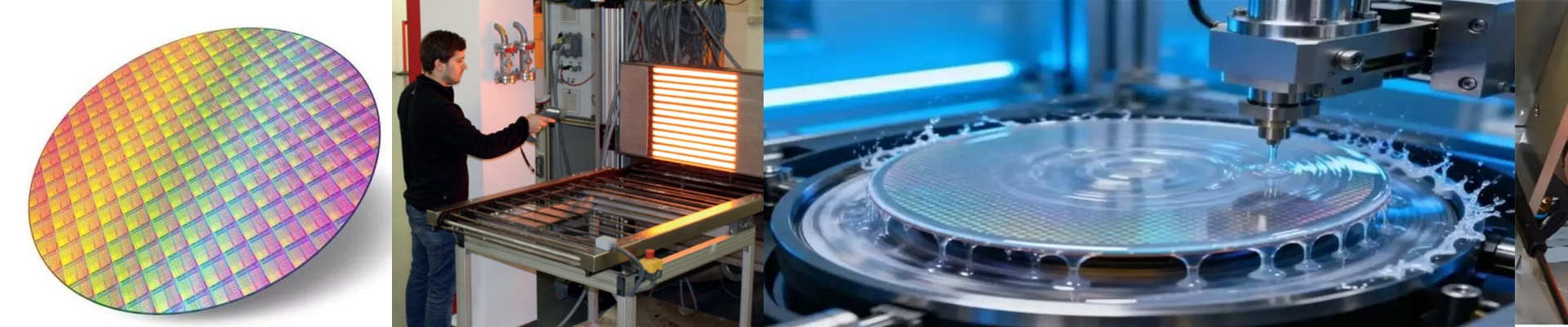
Bathrooms are honestly a nightmare for electronics. You’ve got thick steam, direct splashes from the shower, and temperatures that swing from freezing to boiling in a matter of minutes. Now, you’ll see an “IP65” rating on the box. That basically means the housing can handle dust and a few jets of water. But here’s the thing: a rating is just a snapshot in time. It doesn’t tell you what happens to the materials after two years of constant humidity. That’s why we don’t just trust the rating—we run every batch through damp-heat aging tests.
The invisible problem with moisture
Water vapor is sneaky. It gets into places that liquid water can’t. Over time, humidity can seep right through the seals and settle on the electrical contacts and the quartz glass. If that seal gives way, the terminals start to oxidize. Once that happens, you get electrical resistance. That leads to overheating, and before you know it, your heater has burned out or tripped your breaker. To stop this, we shove our heaters into high-humidity chambers and cycle them relentlessly. We’re looking for any sign that the insulation is breaking down. If it fails there, it doesn’t leave the factory.
Dealing with the “thermal shock”
Infrared lamps get hot. Like, really hot, and they do it in seconds. In a steamy bathroom, the glass expands fast while the outer casing stays relatively cool. This puts a ton of mechanical stress on the gaskets. They’re basically being pulled and pushed every time you flip the switch. We test for this specifically. We want to make sure those seals don’t crack or warp after hundreds of cycles. If a gasket shrinks by even a tiny fraction of a millimeter, that IP65 protection is gone.
The balancing act
You might think, “Why not just seal it tighter?” Well, that’s a bit of a trap. If you seal a heater too tightly, you trap all that heat inside the housing. If we aren’t careful, the internal wiring could literally melt. It’s a balancing act. We have to keep the water out while still letting the unit “breathe” enough so it doesn’t cook itself from the inside. We spend a lot of time tweaking the materials to make sure they can handle that internal heat climb without degrading. It’s a lot of work, but it’s the only way to make sure your heater doesn’t just quit on you six months after you install it.