
Making Your Gazebo Heater Actually Last
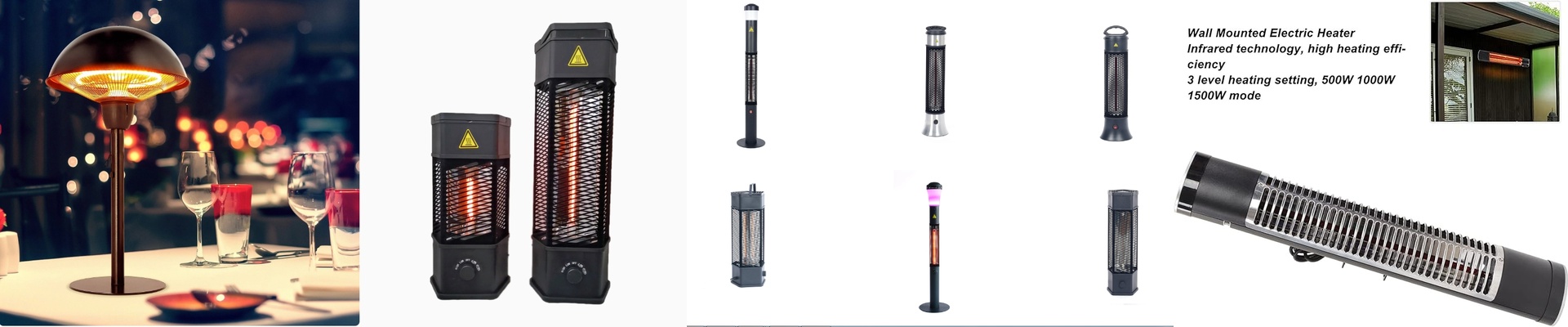
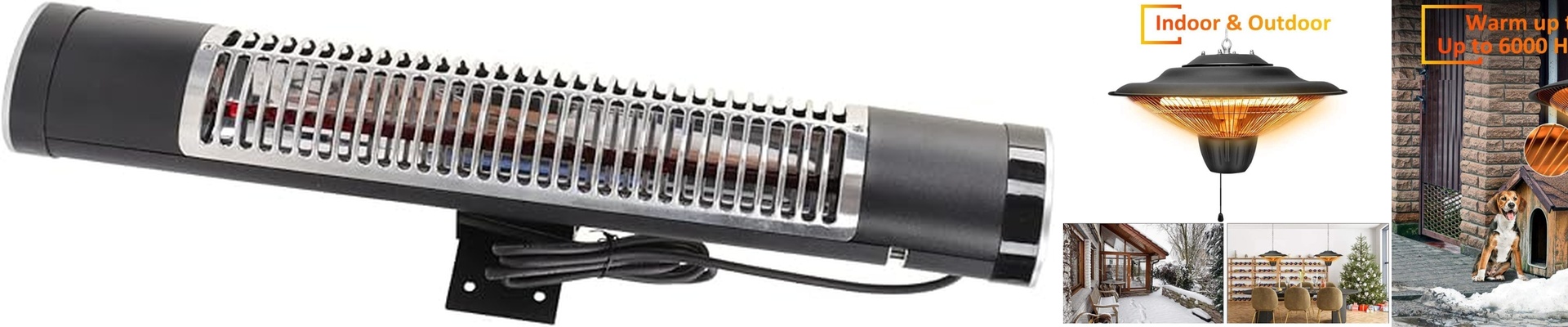
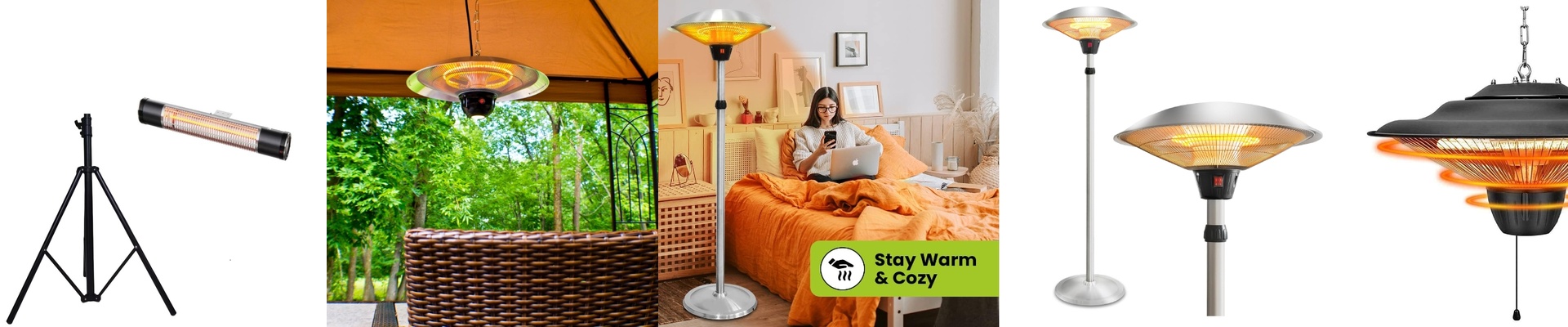
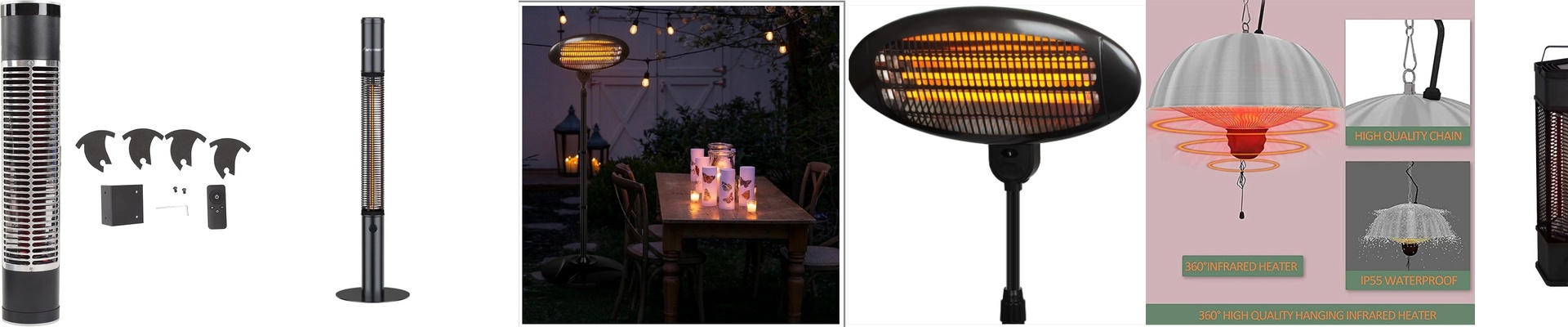
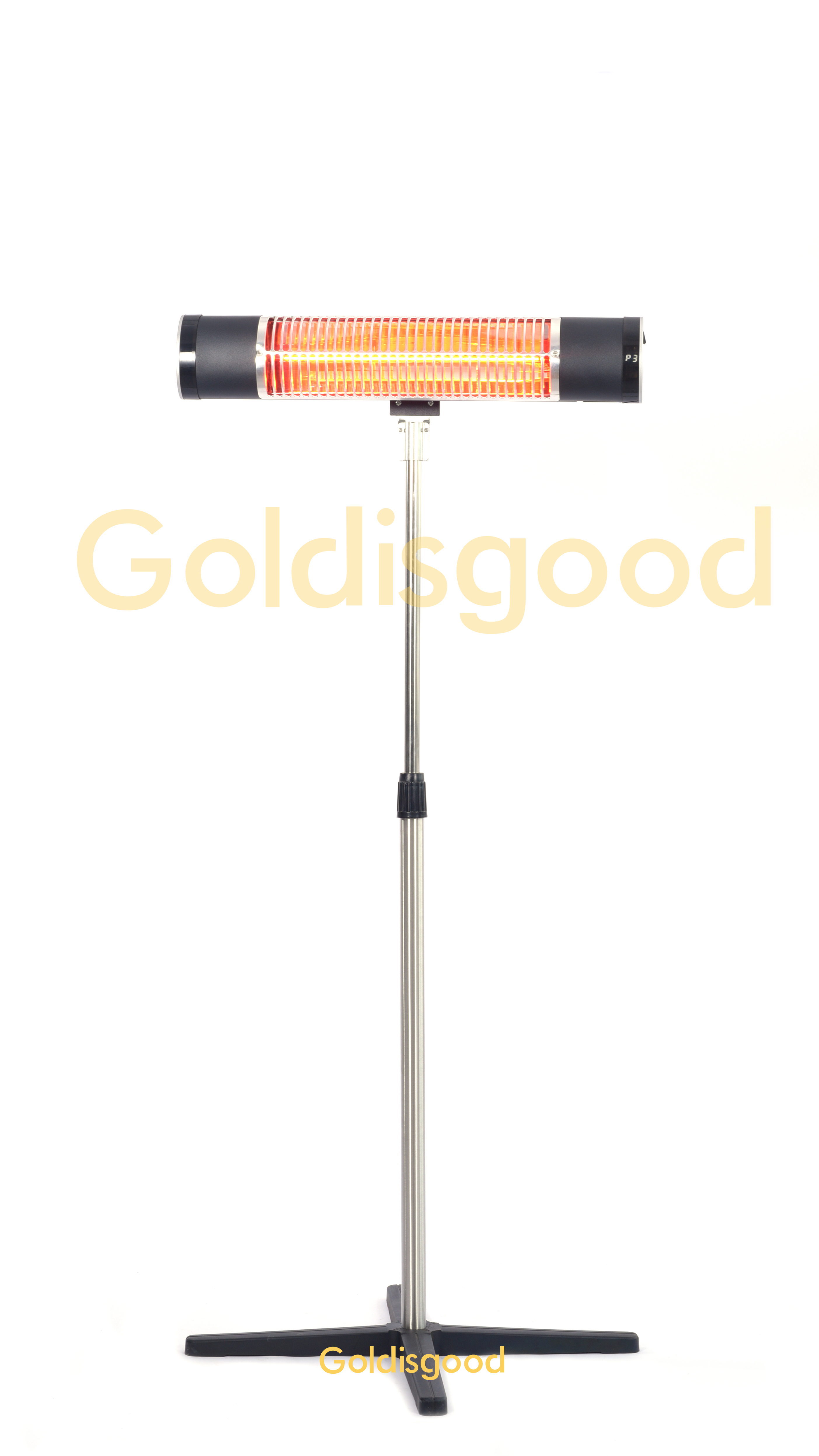
Putting a 1500W infrared heater in a gazebo ceiling is a bit of a gamble. You’ve got intense heat sitting right next to outdoor humidity, morning mist, and the occasional rain splash. If you aren’t careful, moisture gets into the electrical terminals or hits that scorching quartz tube. That’s usually how these things burn out or short circuit way too early. Keeping the water out We don’t just slap a cover on these units and call it a day. It’s all about the seals. We use gaskets and a housing design that keeps water far away from the heating element. Why? Because of “thermal shock.” Imagine a cold drop of rain hitting a red-hot tube. Snap. The quartz cracks. We build them to make sure that never happens. Why 1500W? Here is the cool part: short-wave radiation. Instead of trying to heat up all the cold air in your gazebo (which is basically impossible), this heat travels in a straight line. It hits you instantly. It feels like standing in the sun on a crisp October morning. Since it’s mounted on the ceiling, we’ve shaped the reflectors to push that warmth exactly where you’re sitting, not into the roof beams. A few things to watch out for Now, let’s be real. A high-wattage heater gets hot—not just where the heat goes, but right at the mounting point. If your gazebo is made of thin wood veneer or some kind of cheap plastic, it might scorch. I’d suggest using a thermal spacer just to be safe. And please, don’t skimp on the wiring. 1500W is a steady pull on your power. Use the right gauge cabling, or you’ll deal with voltage drops and a heater that doesn’t actually get hot.