Keeping Your Class 100 Cleanroom Actually Clean
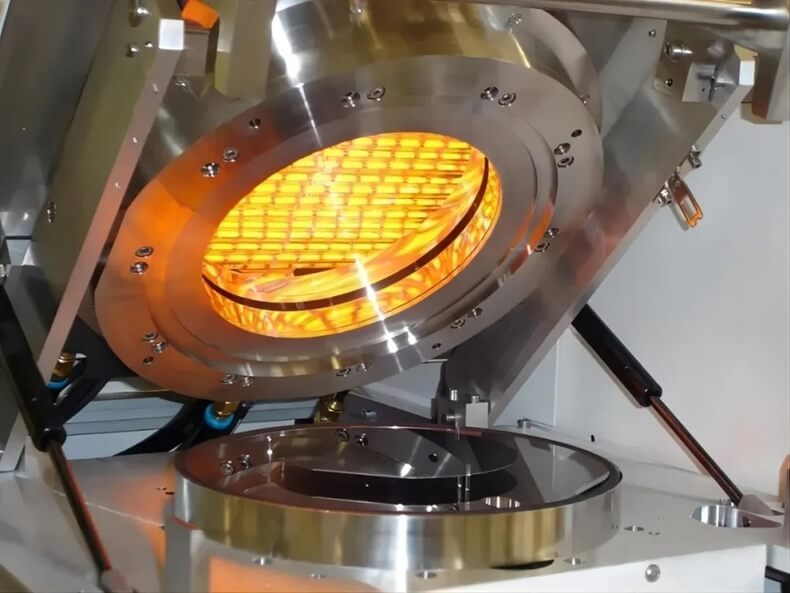
If you’re running a Class 100 cleanroom, you already know that air filters are only half the battle. The real headache? Your heating elements. Most standard IR lamps are held together with cheap adhesives or low-grade metals at the seals. Once they start heating and cooling—thermal cycling, if you want to be technical—those materials start to break down. They flake. They off-gas. And in a high-stakes environment, that’s a disaster. We fixed this by ditching the junk and using high-purity quartz tubes paired with specialized Ceramic end caps.
Why this actually works
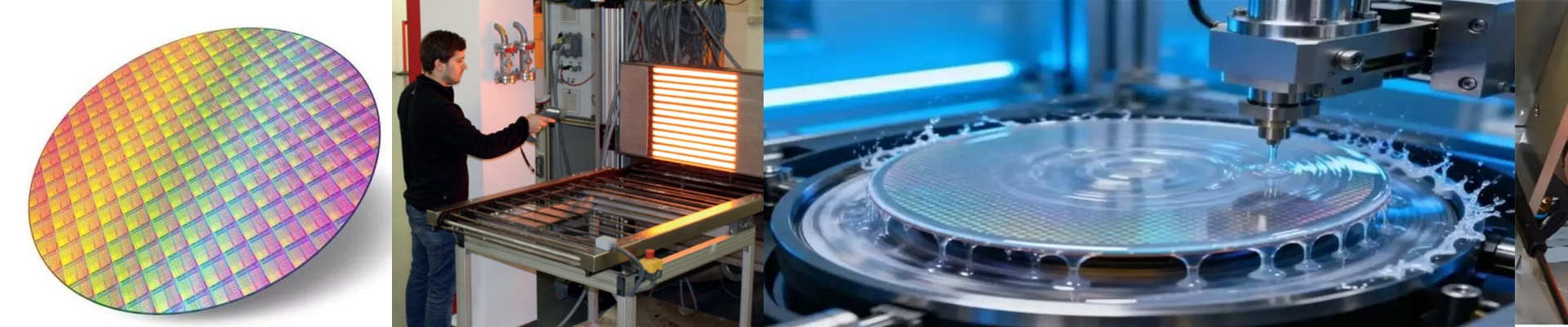
Here’s the thing: standard emitters often leak microscopic particles right where the electrode meets the glass. If you’re fabricating semiconductors or medical devices, a few tiny specks can ruin an entire batch of wafers. It’s a nightmare. We use synthetic quartz that doesn’t break down or “cloud” over time. Plus, those ceramic end caps act like a shield. They don’t flake, they don’t smoke, and they don’t leak chemicals into your air. You just get clean, radiative heat. No surprises.
The trade-offs (because nothing is perfect)
We use high-density alumina ceramics for the caps. These are tough. They handle the brutal temperature jump between the tungsten filament and the external wires without cracking or oxidizing, even if you’re powering them on and off rapidly. But there is one catch. Because we use ceramic caps, the emitters are a bit longer than the cheap ones.**Check your chassis clearances before you buy.**If your mounting brackets are too tight, you’ll put mechanical stress on the quartz, and that’s a quick way to break a lamp.
Getting them up and running
These are designed to be drop-in replacements for your existing IR arrays. One of the best parts? We strip out all the organic binders and fluxes during the sealing process. You won’t get that annoying “burn-in” smoke you usually see with industrial lamps. Just a quick tip: when you first plug them in, give them a low-voltage “soak” for about an hour. It lets the bond between the ceramic and quartz stabilize before you crank them up to full power. It’s a small step that makes a big difference in how long they last.