


Getting Temperature Right in Biosensor Fab
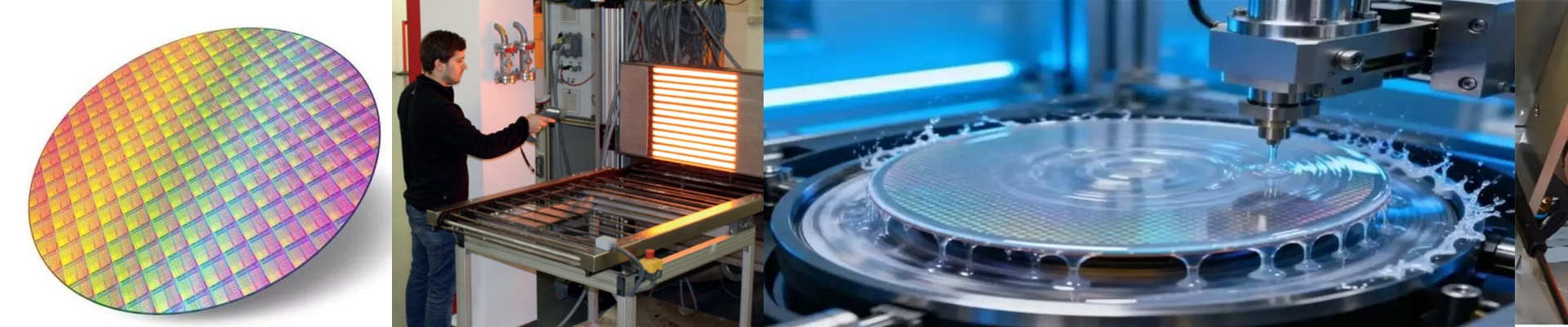
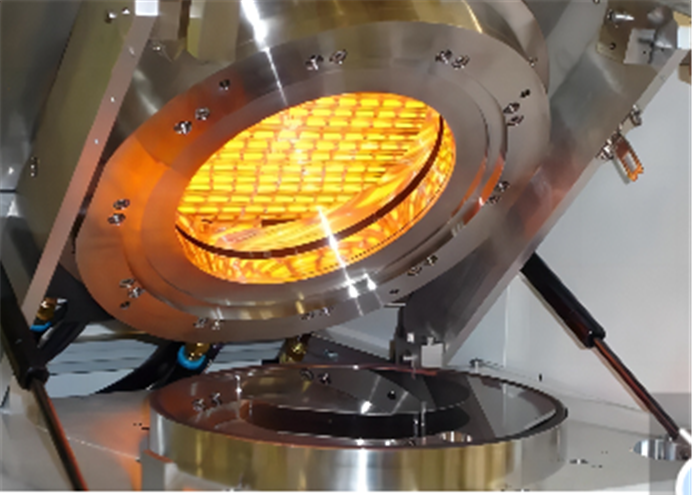
When you’re building biosensors, temperature is everything. You need those polymer ramps to be spot on—enough heat to cure the material and wake up the biological reagents, but not so much that you fry your substrate. If you’re still relying on old-school convection ovens, you’re fighting a losing battle. They’re just too slow. Switching to high-density infrared (IR) systems is where things actually start to make sense. With IR, you can tweak heat energy down to the millisecond. It’s a level of control that’s basically impossible with a giant box of hot air. The trick to fast heat The physics here are pretty straightforward: you need a fast response. We lean on short-wave IR emitters because they don’t just sit on the surface; they penetrate the substrate and heat it from the inside out. When you’re picking your gear, keep an eye on the wattage-to-length ratio. That’s what dictates your heat flux. High-wattage tubes get you to those curing temps in seconds. And to make sure you don’t overshoot and ruin a batch? Just wire them into a PID loop with an optical pyrometer. It keeps things steady. Making the “Smart Fab” actually work We hear a lot about “digitalization” in fabs, but in the real world, that just means your equipment needs to talk to your computer. IR systems are great for this. They play nice with PWM or SCR controllers, which means you can track wattage, cycle times, and temps as they happen. It’s like giving every single wafer or sensor batch its own digital fingerprint. If something goes wrong, you know exactly why. The trade-offs (because nothing is perfect) Now, high-intensity IR isn’t a magic fix. It’s powerful, and that power can be a problem. If your lamp alignment is off by even a couple of millimeters, you’ll get localized hot spots that can wreck your work. You also have to think about the heat bleeding back into the machine frame. If your cooling manifolds aren’t up to the task, the quartz envelope on your lamps will stress out and burn out way too fast. My advice? Go with gold-coated reflectors. They push the energy where it needs to go and take a lot of the pressure off your cooling system. It just makes the whole setup run smoother.