


Getting the Heat Right in Bio-Sensor Fabrication
When you’re building bio-sensors, temperature is everything. You need to cure your polymers and bond your substrates perfectly, but there’s a catch: if you get too hot or stay hot too long, you’ll fry the biological reagents. It’s a delicate balance. If you’re running a modern smart Fab, you can’t be messing around with old-school ovens. They take forever to warm up. That’s why we use high-intensity infrared (IR) lamps. They blast radiative heat directly into the material. It’s fast. Really fast. You hit your target temperature in seconds, not minutes.
Moving Beyond the Timer
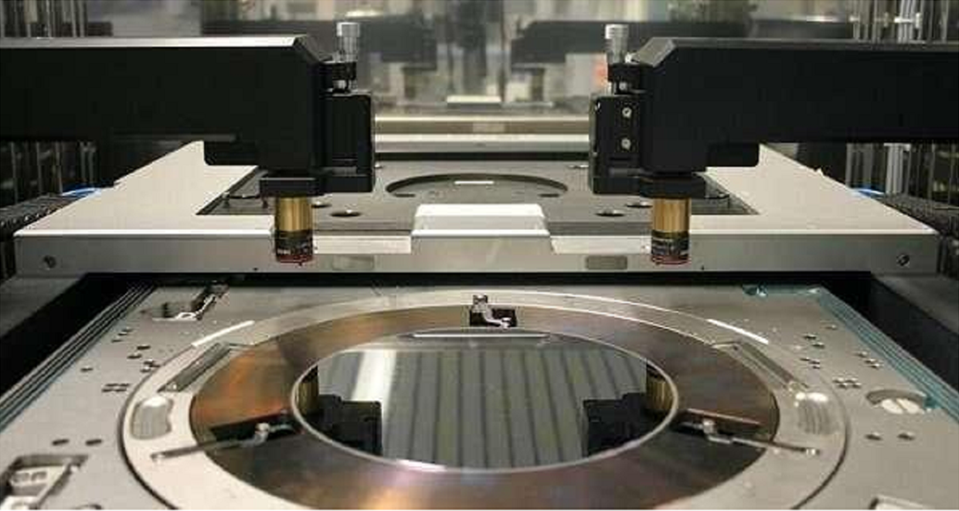
For a long time, heating was basically “set it and forget it.” You’d pick a time, hit start, and hope for the best. But digital fabrication doesn’t work like that. You need a tight loop of data. We hook our IR systems directly into PLC controllers. This means the system is actually “listening” to the wafer. If the substrate thickness changes slightly, the system notices and tweaks the wattage on the fly. No more guessing, and no more accidentally overheating your batch.
The Trade-offs (Because nothing is perfect)
You have to think about heat density versus the mass of the sensor. If you need the heat to soak deep into the material, shortwave IR is your best bet. If you’re just looking to cure the surface, go with medium-wave. We usually stick with high-wattage quartz lamps to make sure every single sensor in the batch gets the same treatment. But here’s the thing: when you cram that much power into a small space, things get hot. Fast. Your chassis needs a serious cooling manifold. If your airflow is off, the ambient temperature starts to drift, and suddenly your yield drops because the environment is unstable. It’s a headache you don’t want.
Keeping the Line Moving
We designed these lamps to be swapped out quickly. We use standard connectors, so when a tube finally burns out, you just pull it and drop in a new one. No rewiring the whole rack, no hours of downtime. Plus, because the whole heating process is digitized, you have a perfect paper trail of every single thermal cycle. If you’re aiming for medical-grade certification, that’s not just a nice-to-have—it’s a requirement.