


Cleaning Up the Fab: Why We’re Switching to IR Curing
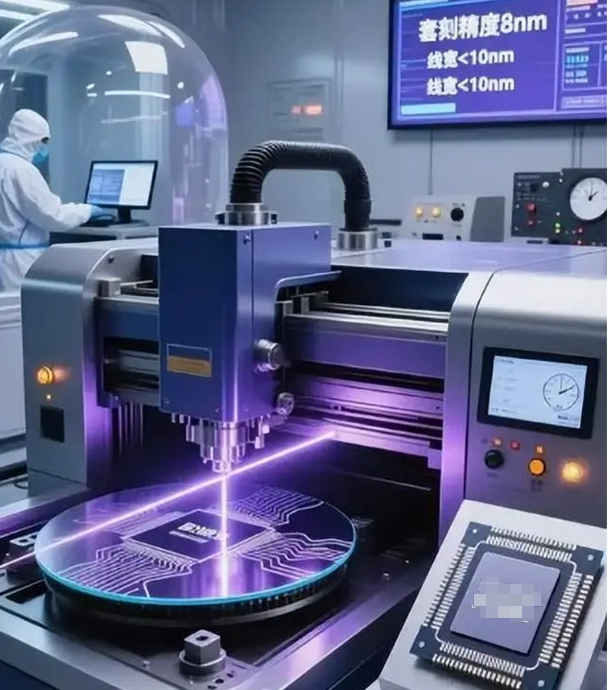
Let’s be honest—traditional convection ovens are kind of a dinosaur. They’re bulky, they’re slow, and they rely on chemical-heavy drying that just doesn’t fly anymore with today’s green standards. That’s why we’ve moved over to certified infrared (IR) curing lamps. It’s a much cleaner way to hit those lead-free benchmarks without fighting against global environmental mandates. The big difference? IR lamps don’t bother heating up the air around the part. They use electromagnetic radiation to get the job done.
Where the energy actually goes
Think about a standard oven. You’re spending a ton of power just to heat up the metal chassis and the air inside the box. It’s a waste. With IR, we target the substrate directly. We tune the energy to hit the specific absorption bands of the photoresist or solder paste.**It’s fast. Really fast.**You aren’t heating the entire room just to dry one single wafer. The heat stays exactly where it belongs, which means your energy bill—and your footprint—drops significantly.
Cutting out the junk
Switching to lead-free soldering isn’t easy. Those alloys need much higher peak temperatures than the old lead-based stuff. If you try to hit those temps with a gas-fired oven, you’re pumping CO2 and NOx into the atmosphere. IR curing is purely electrical. If you’re hooked up to a green power grid, your carbon output at the point of use is basically zero. No combustion, no VOCs leaking from heating elements. Just a clean, dry process that doesn’t leave a mess behind.
The “Gotchas” (Because nothing is perfect)
Now, you can’t just rip out your heater, slap in an IR lamp, and call it a day. Here’s the thing: IR heat is directional. If your parts have weird geometries or deep pockets, you’re going to run into “cold spots” where the light just doesn’t reach. You have to be really intentional about where the lamps go and how the reflectors are angled. Plus, keep an eye on your power. High-wattage IR arrays pull a lot of juice. Make sure your electrical panels can handle that initial surge when the lamps kick in, or you’ll be tripping breakers all morning.