


A Smarter Way to Heat Your Biosensors
When you’re building biosensors, temperature is everything. You need to cure your polymers and get those substrates ready, but you have to do it without frying the delicate biological parts. It’s a tightrope walk. For a long time, everyone just used big convection ovens. But honestly? They’re clunky. They waste a ton of energy and take up way too much space on the floor. That’s why we switched to targeted infrared (IR) lamps.
Why IR actually works
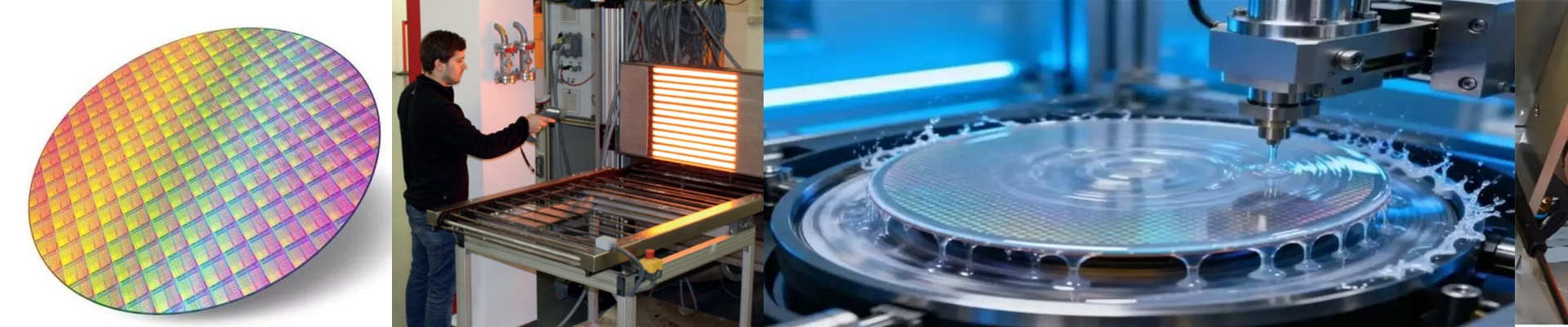
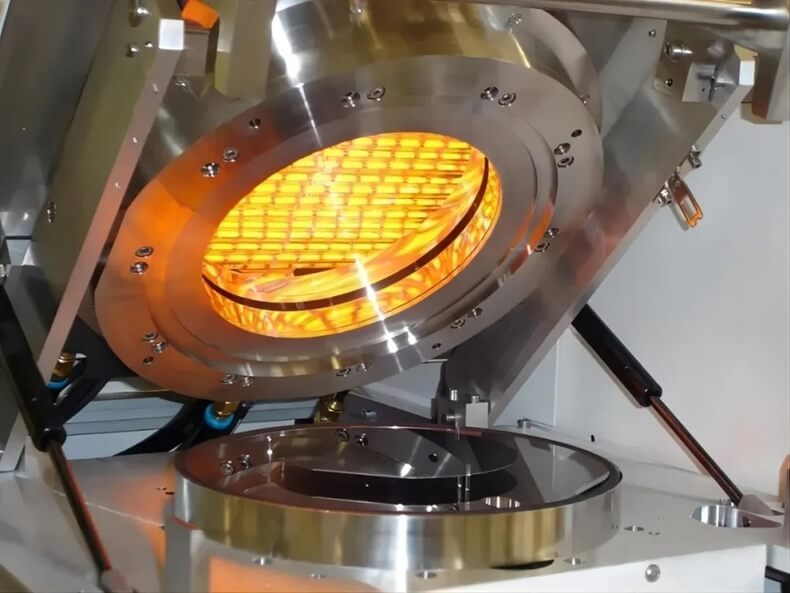
Here’s the thing about short-wave IR: it doesn’t bother heating up all the air in a giant chamber. That’s where most of your electricity goes to die in an old setup. Instead, the energy goes straight into the substrate. It’s fast. Really fast. We’re talking about dropping your ramp-up time from minutes down to seconds. Your energy bill looks better, and your parts move through the line way quicker.
The gear under the hood
We use high-purity quartz for the lamp envelopes. It can handle the intense heat needed for rapid curing without losing its clarity. And since biosensors are picky, we often use coated elements. This tweaks the light spectrum so the heat hits the specific layer you want, rather than soaking into the carrier tray. It keeps the heat exactly where it belongs. If you’re worried about the setup, don’t be. These plug right into your existing PLC controllers for millisecond response times. We’ve got plenty of connector options, so you can just swap out those old resistive heaters without a headache.
The catch (and the payoff)
Switching to IR is a huge win for anyone trying to hit “Green Factory” goals. Your CO2 footprint drops because the system only pulls power when a part is actually under the lamp. No more idling heaters. But, there is a trade-off:heat density. Because IR delivers energy so aggressively, it’s easy to overshoot your temperature if your PID tuning is a bit off. You have to get your cooling fans and sensors dialed in perfectly. If you don’t balance the cooling, that rapid heat spike will torch your organic components in a heartbeat. Get the cooling right, and it’s a dream. Get it wrong, and you’ve got a very expensive piece of charcoal.