


Stopping the Dust: How to Heat Hydrogen Sensors Without Ruining Them
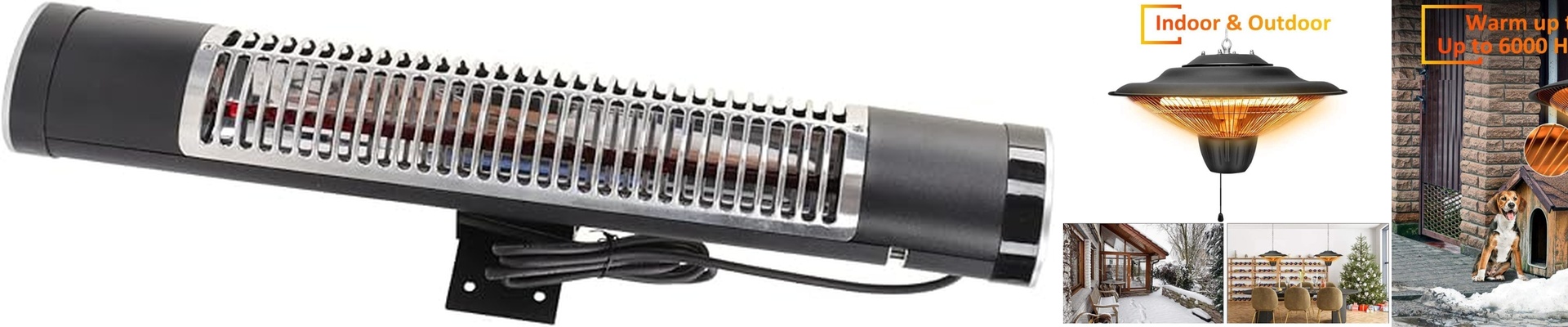
When you’re building hydrogen sensors, a single speck of dust isn’t just a nuisance—it’s a disaster. One stray particle can kill an entire batch. If you’re working in a Class 100 cleanroom, your biggest enemy is often your own equipment. Standard heating elements are risky. They flake, they shed, and they leak gases. It’s a nightmare. That’s why we stick with high-purity quartz infrared (IR) lamps.
Why Quartz Actually Works
We use fused silica quartz for the lamp envelopes. The beauty of it is that it doesn’t corrode or spit metallic ions into your air. It also handles thermal shock like a champ. You can crank the heat up fast for doping or annealing, and you won’t have to hold your breath wondering if the tube is going to shatter and contaminate your whole chamber. It just works.
Managing the Heat
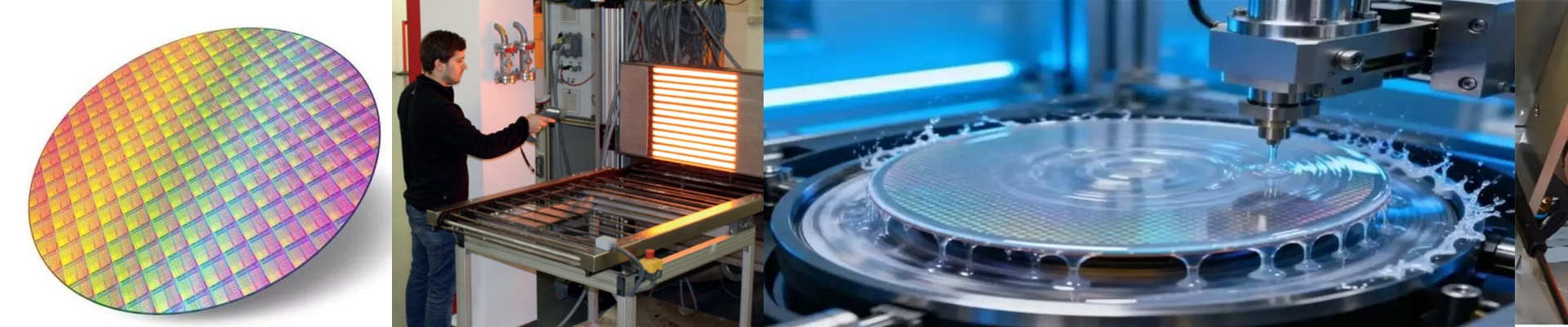
IR heating is different because it’s direct. You aren’t wasting time heating the air; you’re hitting the substrate itself. This is a huge win for cleanrooms. Since you aren’t churning the air, you don’t get those convection currents that kick up dust from every corner of the room. We also tune the wavelength to match your sensor material, so the heat goes exactly where it needs to. But you have to be careful with your power density. If you shove too many watts into a tiny area, you’ll get hotspots. If your substrate warps, your sensor’s sensitivity will drift, and you’ve just wasted your time. We spend a lot of time balancing the wattage and voltage to keep that thermal profile flat across the wafer.
The Real-World Stuff
We designed these lamps to be drop-in replacements. No one wants their line down for days. Plus, the seals are tight, so you don’t have to worry about halogen gases leaking out if a tube happens to fail. Just a heads-up: quartz is fragile. It can take the heat, but it can’t take a hit. You’ve got to be smart with your mounting brackets. Don’t put direct stress on the glass. If you over-tighten those clamps, the tube will snap the first time it heats up. And don’t forget your cooling system. A lot of radiant heat reflects off the chamber walls, and if you aren’t careful, your control electronics will cook.