Making Your Outdoor Pergola Actually Useable in Winter
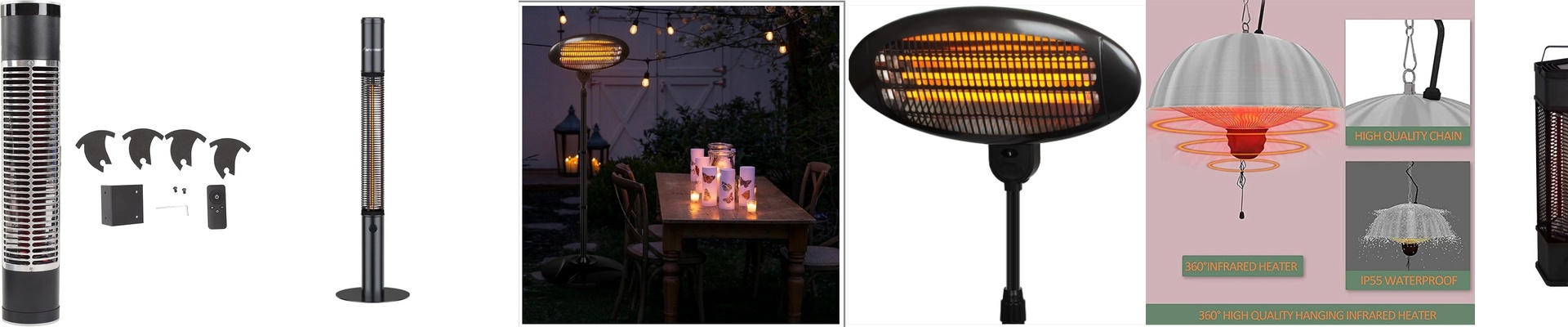
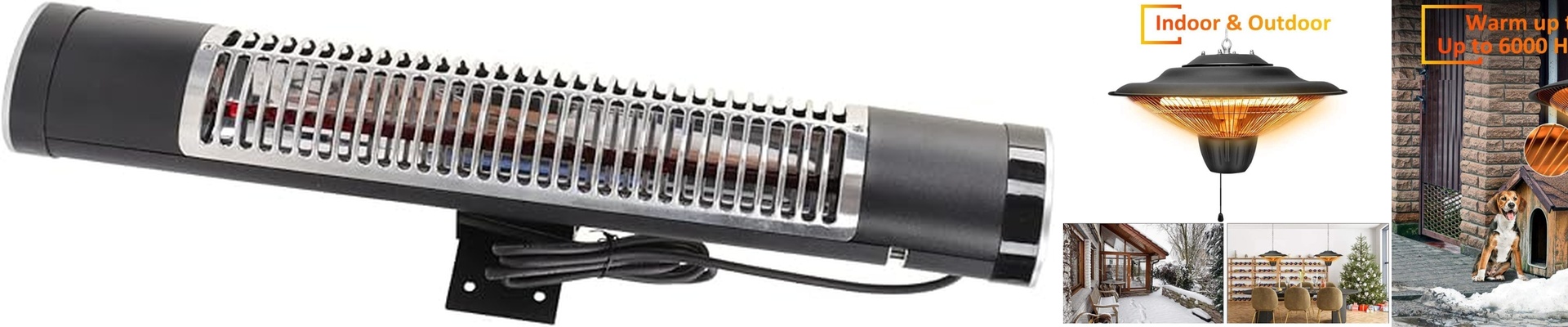
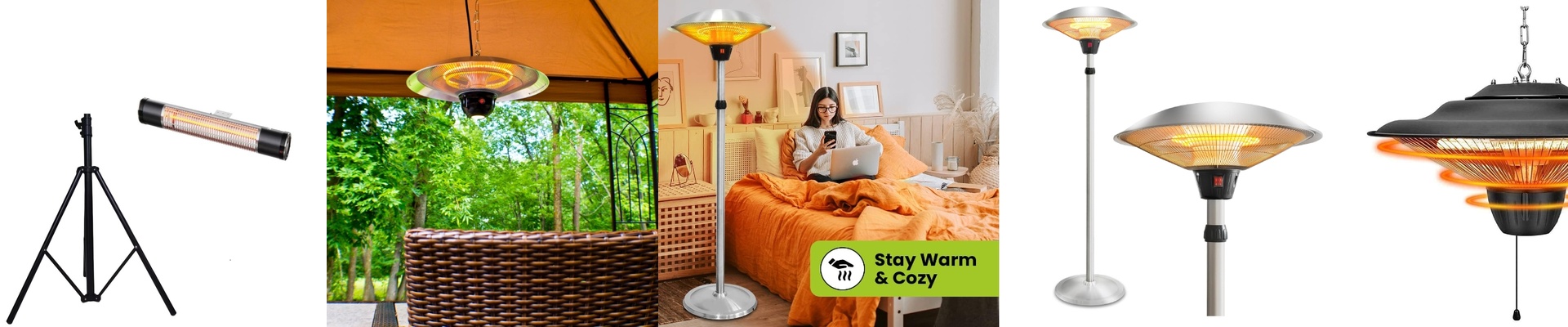
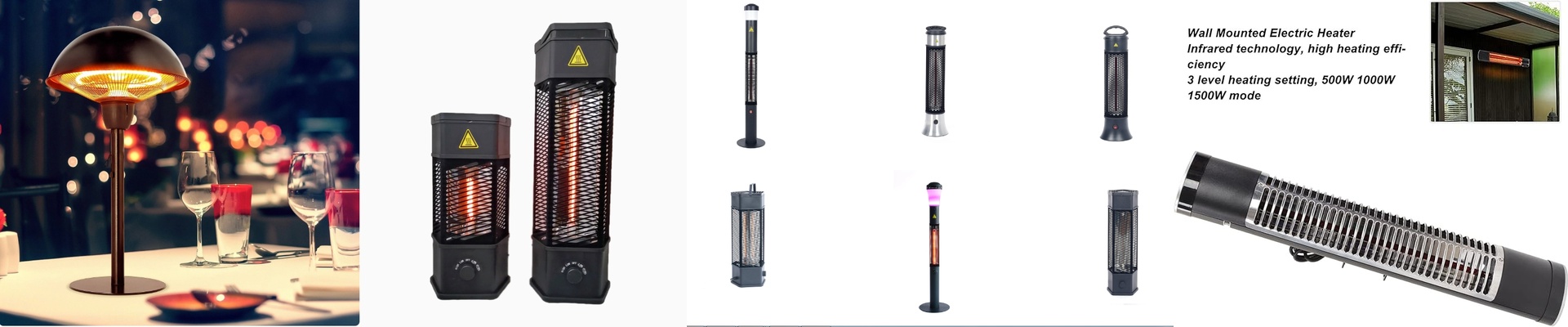
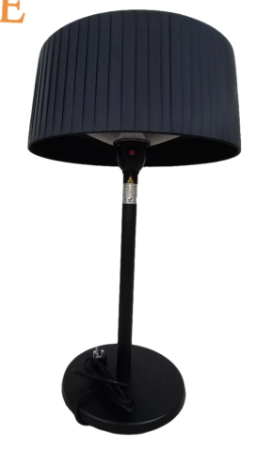
Let’s be honest: most outdoor pergolas are great in July and completely useless by October. The second the temperature dips or a light rain starts, everyone runs back inside. If you want to keep using your outdoor space, you need heat that doesn’t just vanish into the wind. That’s why we go with short-wave infrared. Instead of trying to warm up the entire outdoors—which is a losing battle—infrared beams heat go straight to your skin and your furniture. It feels like standing in a patch of sunlight on a cold day.
Getting it “Smart”
Nobody wants to trek out into a chilly drizzle to flip a manual switch. It’s a pain. We usually hook these heaters up to a smart home setup using Zigbee or Matter. The goal is to make it feel like “instant spring.” You can set it so that the moment your outdoor sensor hits 10°C, the heaters just kick in on their own. Or, if you’re lounging on the couch, you can just tell your voice assistant to turn them on. We use heavy-duty relays to handle the power surge, so everything stays stable and you never have to leave your drink to go fiddle with a dial in the rain.
The Boring (But Important) Tech Stuff
Since these live outside, they have to be tough. Look for IPX4 or IPX5 ratings. We seal every electrical joint with silicone gaskets because wind-driven rain finds a way into everything. The heating elements themselves are usually tucked inside quartz glass or coated to stop them from rusting away. One thing to watch out for:power. These things are hungry, usually pulling between 1500W and 3000W. If you try to run four big heaters on one single circuit, you’re going to trip your breaker and end up in the dark. It’s much safer to give each heating zone its own dedicated line.
A Few Things to Keep in Mind
Adding smart controls is great, but it adds a bit of a headache to the install. You’ve got to make sure your Wi-Fi or Zigbee signal actually reaches the garden. If the signal drops, your fancy one-click start becomes a paperweight. And please, be careful where you mount them. Infrared is intense. If they’re too low, you’ll feel like you’re being grilled. Too high, and the heat disappears before it ever reaches your toes. Getting the height just right is the difference between a cozy evening and a wasted investment.