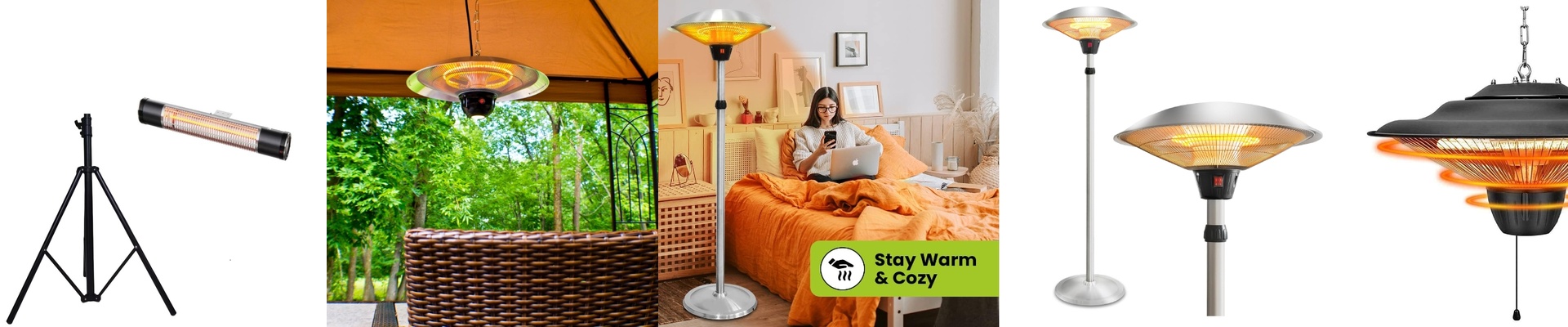

Why modern offices are ditching the draft for infrared warmth
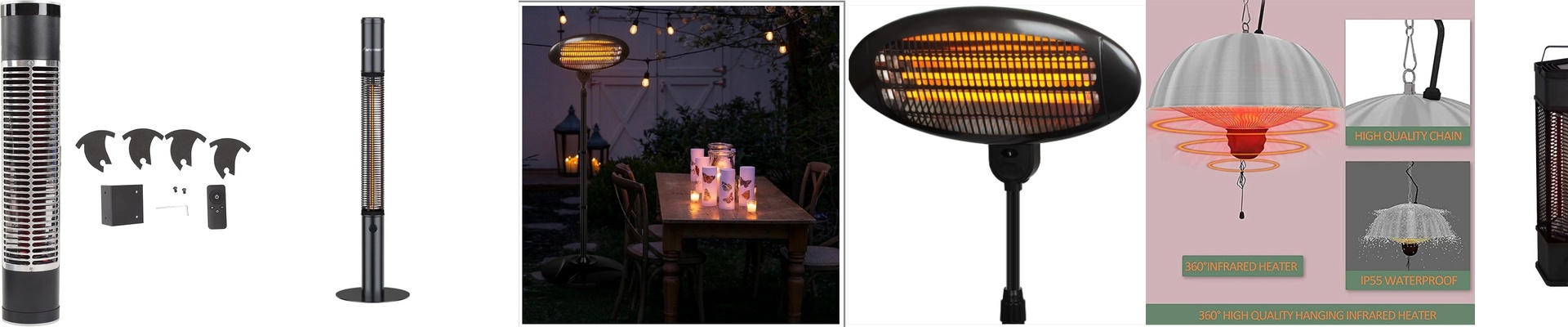
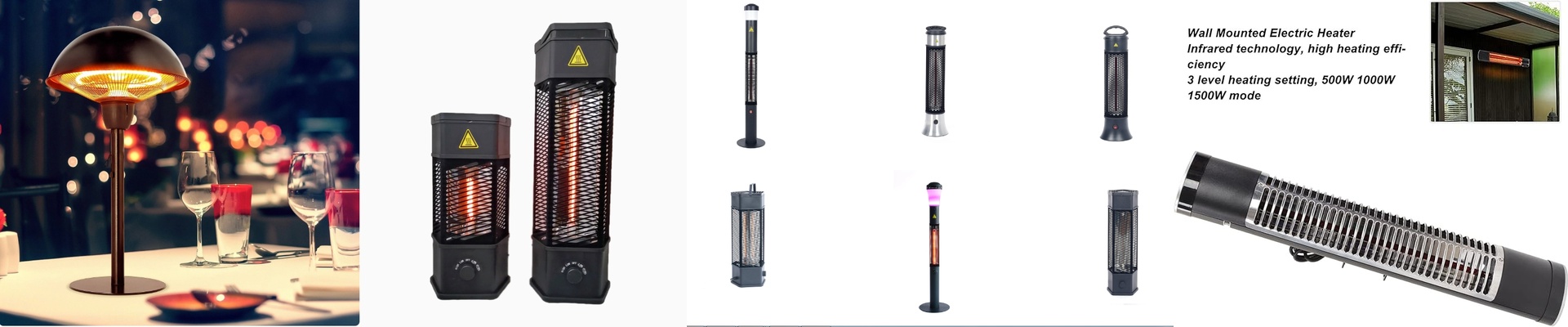
Let’s talk about office winter. You know the scene: the central heat kicks on, the air turns into a desert, and suddenly everyone’s coughing. Meanwhile, the temperature swings from “arctic” to “sauna” depending on where you sit. Here’s the thing: we built these cubicle heaters to fix that. They give you heat right where you need it—without blowing air around. Infrared heaters work by warming people and surfaces directly, not the whole room. So the air stays comfortable, the humidity doesn’t plummet, and you’re not breathing in whatever’s floating around. In winter, that’s a real relief.
The power behind the warmth
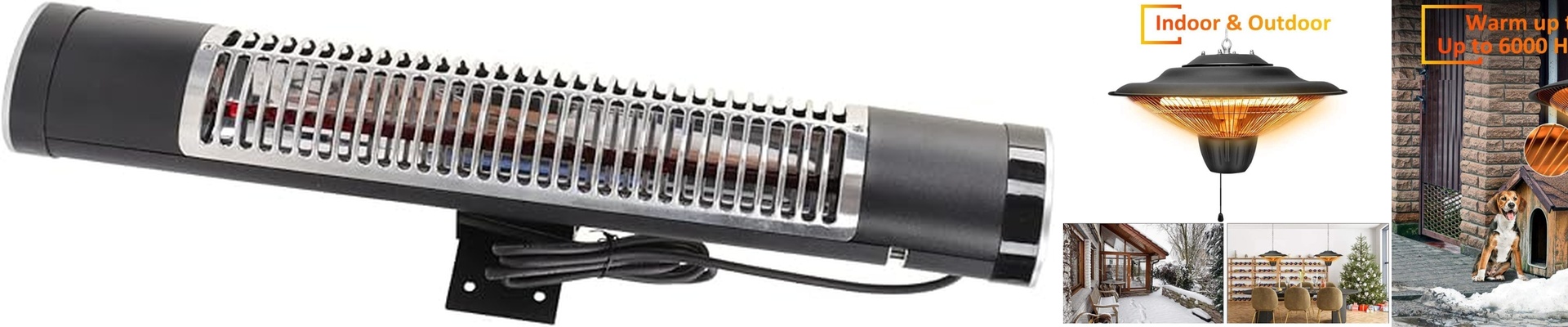
At the heart of these heaters is a high-intensity infrared lamp. We design them to run on standard industrial voltages—either 230V or 400V, depending on what your building uses. The wattage is matched to the size of the workspace. Most units sit between 1500W and 2500W, enough to keep one workstation cozy. And the lamp length? That’s the secret to fitting it into real offices. A compact 300mm tube means the heater slips under desks or mounts to partitions without crowding your space. You get heat exactly where you want it—no major HVAC overhaul required.
What makes the lamp last
The heating element is a halogen-filled quartz tube. Quartz handles the quick temperature shifts when the heater turns on and off. The halogen gas helps keep the filament clean, which means the lamp lasts longer and the output stays steady. That’s the difference between a heater that gives up after a season and one that keeps working year after year. Then there’s the connector: an R7s base. It’s a double-ended pin setup that gives a solid, high-current connection. It’s easy to wire, and when it’s time to replace the lamp, it’s a simple swap—no fuss, just get the job done.
What it feels like at your desk
In practice, it’s simple: you get stable warmth right at your desk. No more shivering while you wait for the thermostat to notice you. No drafts. No sudden blasts of air. Just consistent comfort. And because the heat is targeted, you’re not wasting energy heating the whole building. Now, there’s one thing to keep in mind: a 2500W unit packs real warmth. Make sure the electrical circuit can handle the load, and give the heater some breathing room so nearby materials don’t get too hot. When it’s installed right, it’s just a reliable workhorse—quiet, steady, and exactly what you need to get through the day comfortably.